The 2009 Guesthouse Law and the Local Island Tourism Boom
For nearly four decades after the first resort opened in 1972, tourism in the Maldives operated on a strict principle of separation: visitors stayed on self-contained resort islands, while inhabited islands remained largely off-limits for tourist accommodation. A regulatory change in 2009 dismantled that wall — and reshaped the country's economy and travel identity.
The one-island-one-resort era
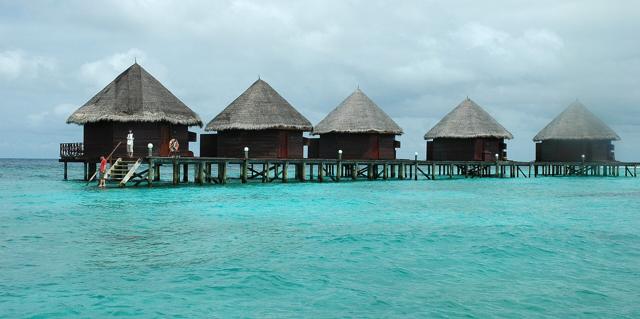
From tourism's beginnings, the government leased uninhabited islands to developers, each becoming a single private resort. The model kept tourism revenue high and cultural friction low: alcohol, bikinis and international nightlife stayed within resort shores, while island communities continued traditional life. It also meant the Maldives was, for ordinary travellers, one of the world's most expensive destinations — there was simply nowhere affordable to stay.
What changed in 2009
Under President Mohamed Nasheed's administration, regulations were introduced permitting guesthouses to operate on inhabited islands. Local families and entrepreneurs could now legally host paying visitors within their own communities, subject to licensing and standards. The change was framed as economic democratisation: letting tourism income flow directly to islanders rather than exclusively to resort operators.
The boom that followed
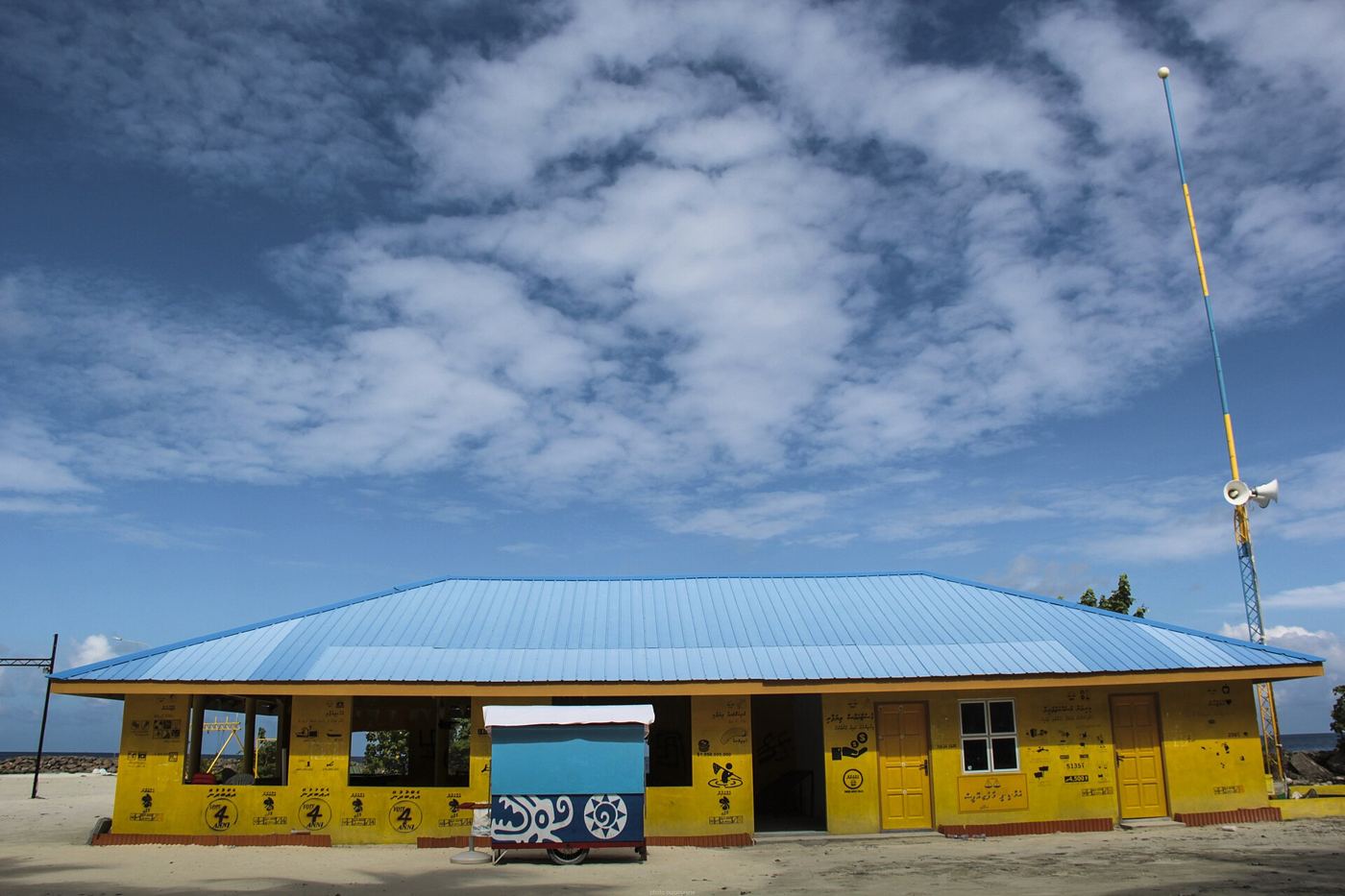
Guesthouses multiplied rapidly, particularly on islands within speedboat reach of the capital. Maafushi in Kaafu Atoll became the emblem of the new model, growing from quiet fishing island to bustling budget-tourism hub. Islands such as Thulusdhoo, Guraidhoo, Dhigurah, Dharavandhoo and Fulidhoo followed, each developing guesthouses, dive centres, excursion operators and cafés. The Maldives became a destination backpackers could genuinely afford for the first time.
Living with two models
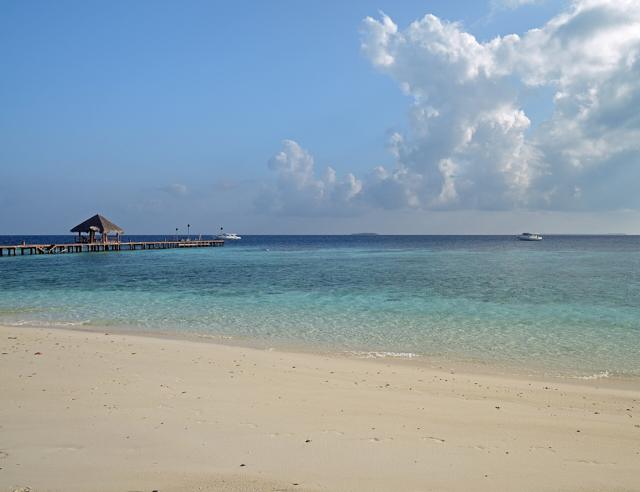
The dual system required compromise. Designated bikini beaches gave visitors somewhere to swim while respecting community norms; alcohol remained absent from inhabited islands; and guesthouse islands developed their own etiquette expectations for guests. Debates continue within the Maldives about balancing tourism income against cultural impact and infrastructure strain, but the guesthouse sector is now a permanent pillar of the economy alongside resorts and liveaboards.
What it means for travellers
Today the Maldives spans everything from ultra-luxury overwater villas to modest island guesthouses. Budget travellers can ferry between local islands, eat in tea shops, dive with whale sharks and experience Maldivian community life — an itinerary that was effectively impossible before 2009.
FAQ
When were guesthouses allowed in the Maldives?
Regulations permitting guesthouses on inhabited islands were introduced in 2009, ending the resort-only accommodation model.
Which island became famous for guesthouse tourism?
Maafushi, south of Malé, became the flagship budget-tourism island and remains the busiest guesthouse hub.
Is staying on a local island cheaper than a resort?
Substantially. Guesthouse stays, local cafés and shared excursions cost a fraction of resort equivalents, which is precisely why the 2009 change transformed who can visit the Maldives.