Whale Sharks in the Maldives: Where and When to See the World's Largest Fish
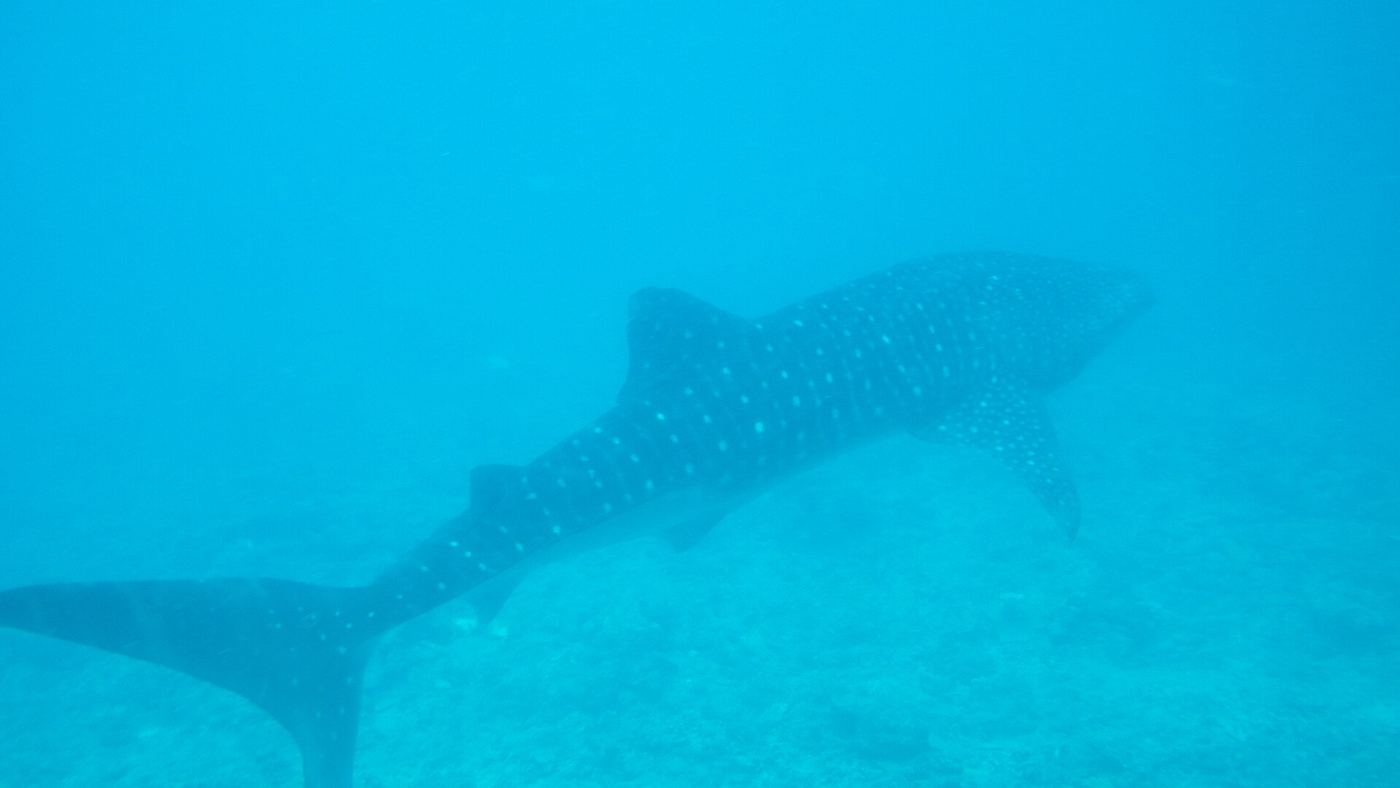
The whale shark is the largest fish on the planet, and the Maldives is one of the very few places in the world where it can be seen throughout the year. For many visitors, swimming alongside one of these gentle giants is the single most memorable moment of a Maldives holiday.
What makes whale sharks special
Despite their enormous size, whale sharks are entirely harmless to humans. They are filter feeders, cruising slowly through the water with their broad mouths open to strain plankton, fish eggs and tiny crustaceans from the sea. Their dark backs are patterned with a constellation of pale spots, and each animal's pattern is unique — researchers use these markings like fingerprints to identify individuals.
Whale sharks are slow-growing and long-lived, and the species is considered endangered globally, which makes the Maldives' resident population especially valuable to science and conservation.
Where to see them: South Ari Atoll
The most reliable place to encounter whale sharks in the Maldives is the southern edge of Ari Atoll, an area protected as the South Ari Marine Protected Area. Unusually, the whale sharks seen here are present all year round rather than appearing only in a short season. The area is dominated by juvenile males, and scientists believe the warm, food-rich waters along the atoll's outer reef serve as a kind of nursery ground where young sharks feed and grow.
Resorts and guesthouses across South Ari Atoll run daily excursions, and islands such as Maamigili and Dhigurah have built much of their tourism around respectful whale shark encounters.
Other places and seasons
Whale sharks are also seen elsewhere in the archipelago, particularly around Baa Atoll during the southwest monsoon, when plankton concentrates inside the atoll and draws large filter feeders. Encounters in these areas are more seasonal, whereas South Ari offers the best odds in any month.
How encounters work
Most whale shark excursions are snorkelling trips rather than dives. Spotters watch for a shadow near the surface, and guests slip quietly into the water to swim alongside the animal for as long as it chooses to stay. Because the sharks often cruise just below the surface, snorkellers frequently enjoy better views than divers.
Responsible whale shark tourism
Guidelines developed in the Maldives ask swimmers to:
- Keep a respectful distance from the animal — several metres from the body and further from the tail
- Never touch, chase or block the path of a whale shark
- Avoid flash photography
- Enter the water calmly and in small groups
Choosing operators who follow these rules genuinely matters. Repeated harassment changes the sharks' behaviour and pushes them away from the very areas that depend on them.
FAQ
Are whale sharks dangerous?
No. Whale sharks are filter feeders with no interest in humans. They have tiny teeth and feed exclusively on plankton and other small organisms, making them completely safe to swim near when treated with respect.
What is the best time of year to see whale sharks in the Maldives?
South Ari Atoll offers genuinely year-round sightings, which is rare worldwide. Elsewhere, such as Baa Atoll, encounters peak during the southwest monsoon months when plankton is abundant.
Can you dive with whale sharks in the Maldives?
Yes, though most organised encounters are snorkelling trips because the sharks tend to swim near the surface. Divers do meet them on outer-reef dives in South Ari Atoll, but snorkellers often get the longest and clearest views.
Planning to get in the water? Read swimming with whale sharks responsibly.