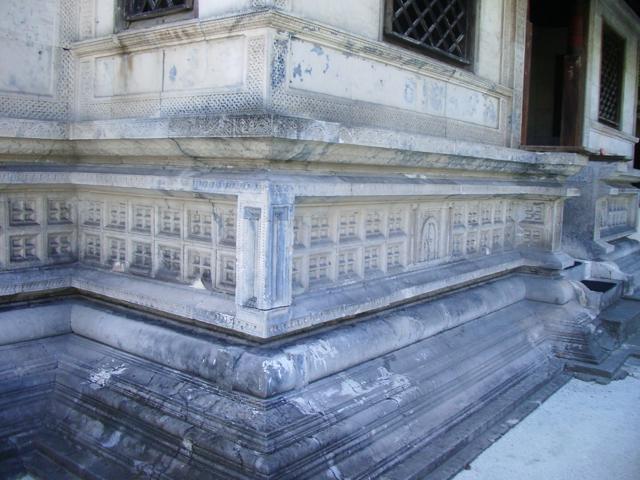
1153 CE: The Maldives Converts to Islam
The conversion of the Maldivian king in 1153 CE is the pivotal moment in the nation's history, marking the start of the sultanate and the Islamic era.
A Short History of the Maldives
The Maldives has been continuously inhabited for well over two thousand years, passing through Buddhist, Islamic, colonial and republican chapters.
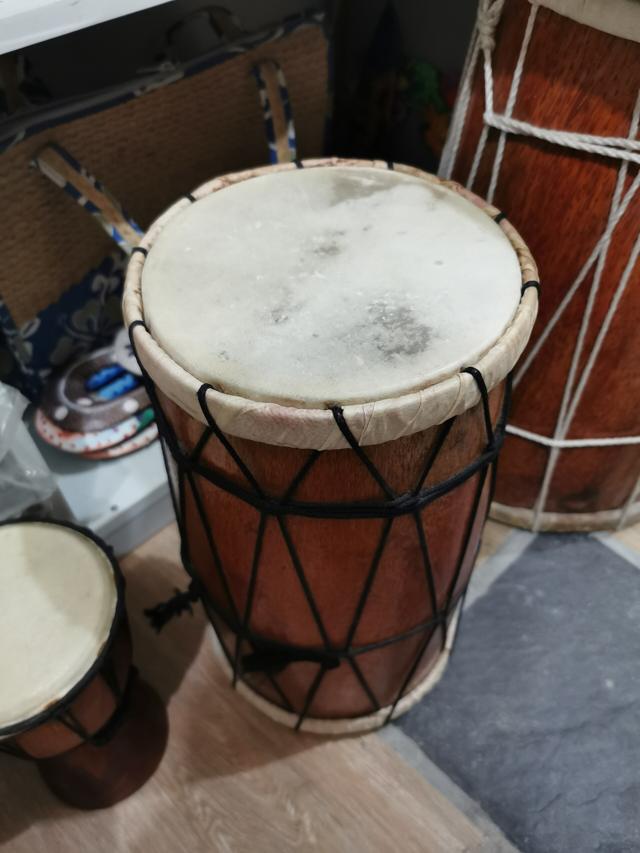
Bodu Beru: The Big Drums of the Maldives
Bodu beru, the drumming and dance tradition of the Maldives, turns island evenings into celebrations — and carries echoes of Indian Ocean history.
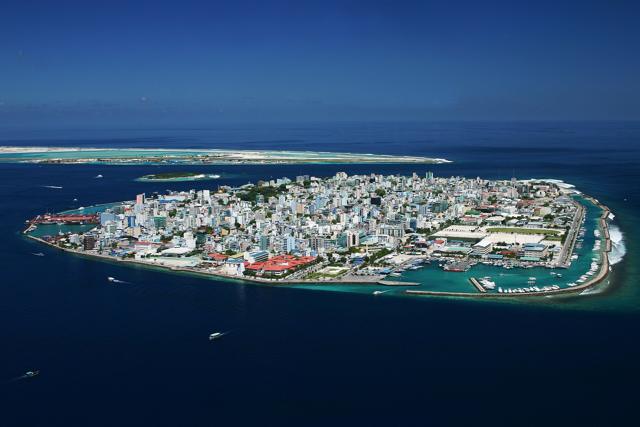
Dhivehi: The Language of the Maldives
Dhivehi, the national language of the Maldives, is an Indo-Aryan language closest to Sinhala — and the source of the English word atoll.
Festivals and Public Holidays of the Maldives
The Maldivian year turns on two calendars: Islamic festivals like Eid, and national days marking independence, the republic and historic victories.
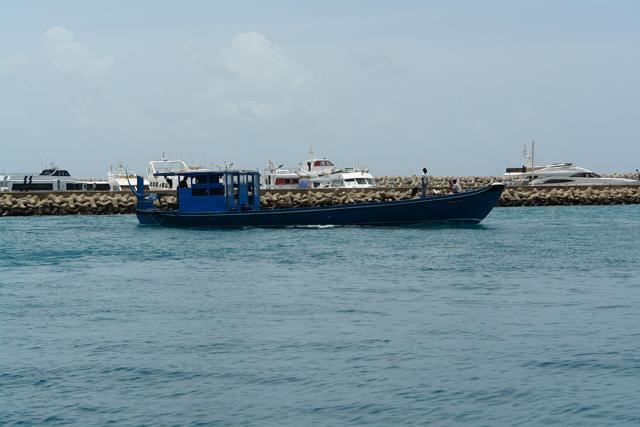
Fishing Culture in the Maldives
Before tourism there was tuna. Fishing shaped Maldivian settlement, craft, cuisine and character — and remains central to island life.
Maldivian Craftsmanship: Lacquerwork, Mat Weaving and More
Maldivian islands developed specialised crafts over centuries — lacquered woodwork, finely woven mats, coral-stone carving — each with its own home island.
Maldivian Names and Naming Customs
Maldivian naming runs on given names and house names rather than inherited surnames — a system with deep island logic.
Mosques of the Maldives: From Coral Stone to Golden Dome
Maldivian mosques range from seventeenth-century coral-stone masterpieces to the golden dome that crowns modern Malé.
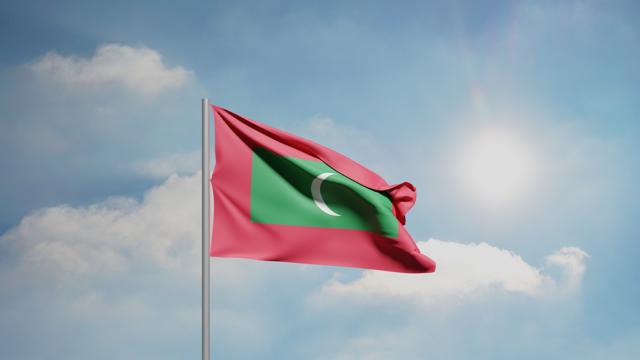
National Symbols of the Maldives: Flag, Emblem and Anthem
Red for sacrifice, green for peace and palms, a white crescent for Islam — the symbols of the Maldives condense the nation's story.
Religion in the Maldives Today
The Maldives has been Muslim since 1153 CE. Islam shapes law, daily rhythm and culture — with practical relevance for respectful visitors.
Thaana: The Unique Script of the Maldives
The Maldives writes its language in Thaana, a script found nowhere else on Earth, whose letters famously began life as numerals.
The British Protectorate and Maldivian Independence
For 78 years the Maldives was a British protectorate — self-governing at home while Britain handled defence — until full independence on 26 July 1965.
The Buddhist Era of the Maldives
For more than a millennium before its conversion to Islam, the Maldives was a Buddhist society — an era still visible in mounds, artefacts and language.
The Dhoni: Traditional Boat of the Maldives
Graceful, practical and instantly recognisable, the dhoni has carried Maldivians between islands, to the fishing grounds and through history.
The Maldivian Sultanate: Eight Centuries of Monarchy
For over eight hundred years the Maldives was a sultanate — a monarchy that survived foreign occupation, dynastic change and a brief republican experiment.
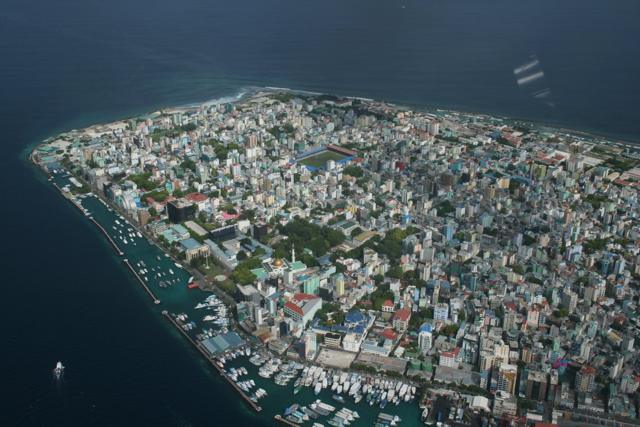
The Republic of Maldives: How the Country Is Governed
The Maldives is a presidential republic with an elected People's Majlis, a system defined by the landmark democratic constitution of 2008.
Traditional Dress of the Maldives
Traditional Maldivian dress — the embroidered libaas, the dhiguhedhun and the feyli sarong — still graces festivals, weddings and national occasions.