Best Time to Visit the Maldives: Seasons, Weather and Monsoons
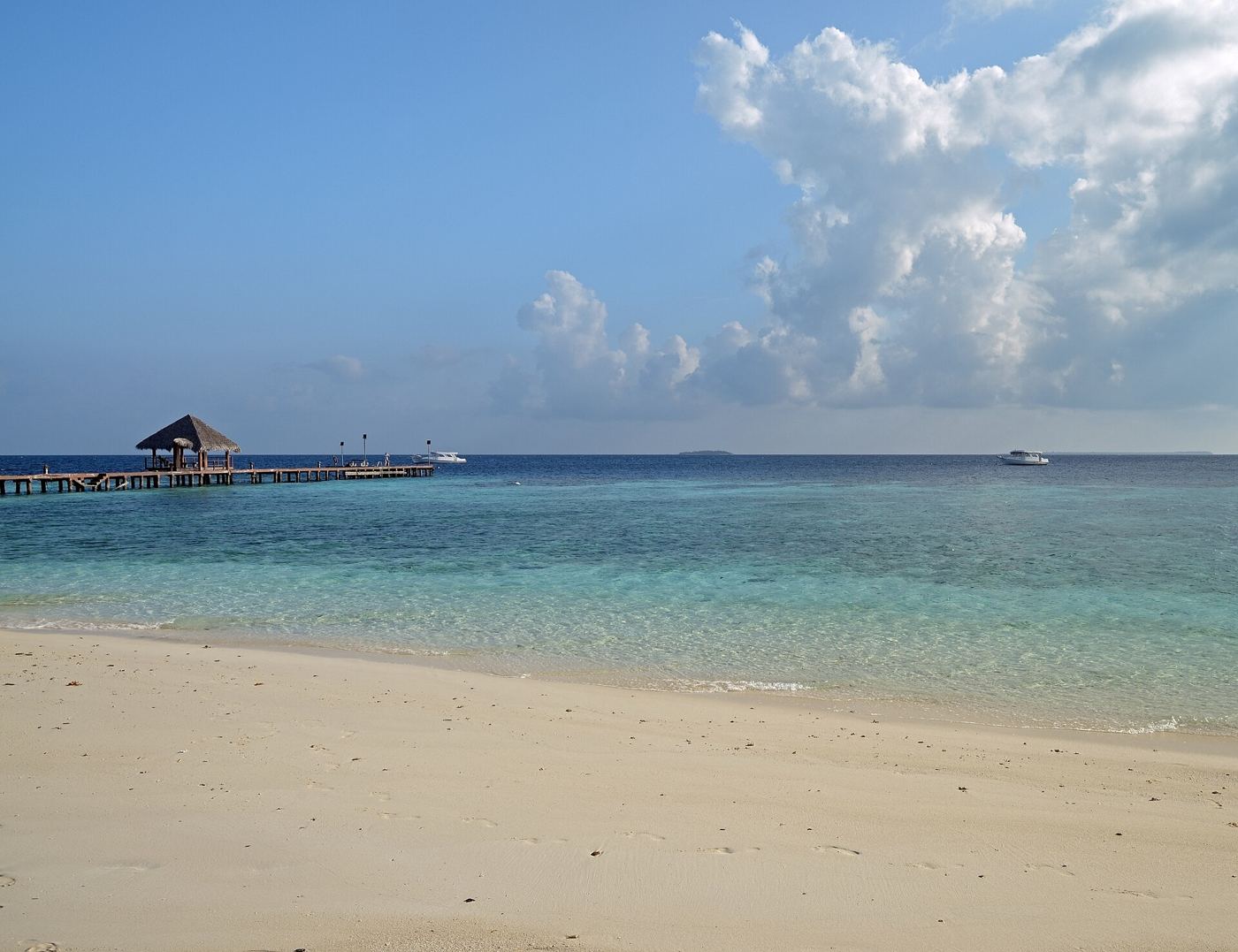
The Maldives sits almost exactly on the equator, which means it enjoys warm tropical weather all year round. Air temperatures typically hover between the high twenties and low thirties Celsius in the daytime, and the sea stays warm enough for swimming in any month. What changes through the year is not the temperature but the rainfall, the wind and the underwater visibility, all of which are driven by two monsoon systems.
The two monsoon seasons
Maldivians traditionally divide the year into two seasons. The northeast monsoon, known locally as iruvai, generally runs from around December to April and brings the driest, calmest and sunniest conditions. The southwest monsoon, known as hulhangu, generally runs from around May to November and brings more frequent rain showers, stronger winds and choppier seas.
The dry northeast monsoon period is widely considered the classic time to visit. Skies are clearer, rain is less common, and the calm seas make boat transfers and water activities more comfortable. Because of this, it is also the busiest period for tourism, with demand peaking around Christmas, New Year and the European winter holidays.
What the wet season is really like
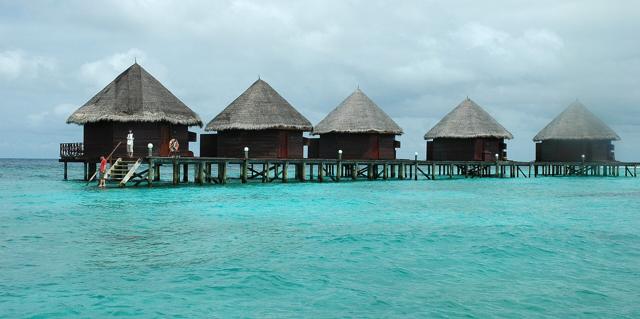
The southwest monsoon does not mean constant rain. Showers in the Maldives are often heavy but short, frequently passing within an hour, and many wet season days still deliver long stretches of sunshine. The trade-off for the increased chance of rain is quieter islands and generally lower demand outside of holiday peaks.
Rainfall also varies across the country. The Maldives stretches for hundreds of kilometres from north to south, and the southern atolls often experience somewhat different patterns from the north at the same time of year.
Timing for divers and snorkellers
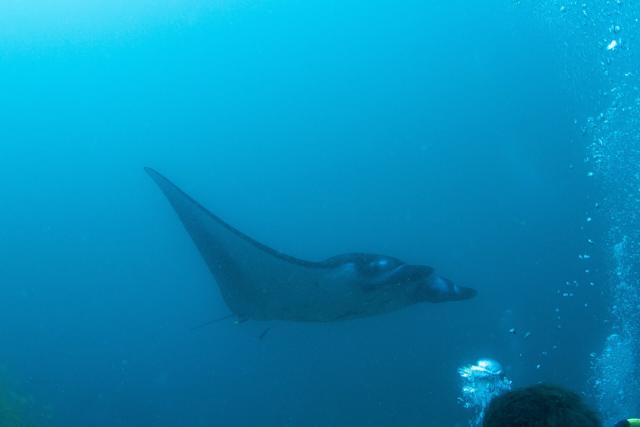
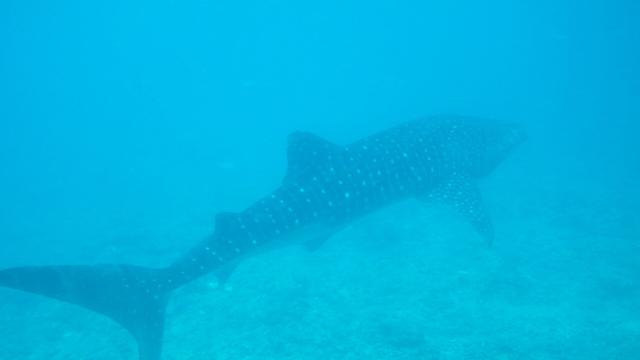
Underwater conditions shift with the monsoons because the prevailing currents change direction. During the northeast monsoon, visibility tends to be better on the eastern sides of the atolls, while during the southwest monsoon the western sides often see clearer water. Plankton-rich currents in the southwest monsoon period are associated with more frequent sightings of manta rays and whale sharks in certain areas, most famously in Baa Atoll around the middle of the year.
Timing for surfers
Surf season in the Maldives broadly aligns with the southwest monsoon. The months from around March to October bring the most consistent swells to the well-known breaks in the central and southern atolls, which is the opposite of the classic beach-holiday peak season.
Month by month in brief
- December to April: driest and sunniest period, calm seas, peak demand.
- May to July: more showers and wind, fewer visitors, strong manta and whale shark activity in some atolls, good surf.
- August to October: continued wet season patterns with variable weather and reliable surf.
- November: a transition month as the wet season winds down.
So when should you go?
If your priority is sunshine and glassy lagoons, aim for the northeast monsoon months from December to April. If you want quieter islands, surfing, or the best chance of swimming with mantas and whale sharks, the southwest monsoon months have real advantages. There is no bad time to visit in terms of warmth, because the Maldives is warm every single day of the year.
FAQ
Does it rain every day in the Maldives wet season?
No. Wet season rain usually arrives as short, heavy showers rather than all-day rain, and many days are largely sunny. Extended grey spells can happen but are not the norm.
Is the sea warm enough to swim all year?
Yes. Sea temperatures in the Maldives remain warm year round, typically in the high twenties Celsius, so swimming and snorkelling are comfortable in any month.
When is peak season in the Maldives?
Peak demand runs from December to April, with the very busiest period around Christmas and New Year. This coincides with the dry northeast monsoon.