Snorkelling in the Maldives: A Complete Guide
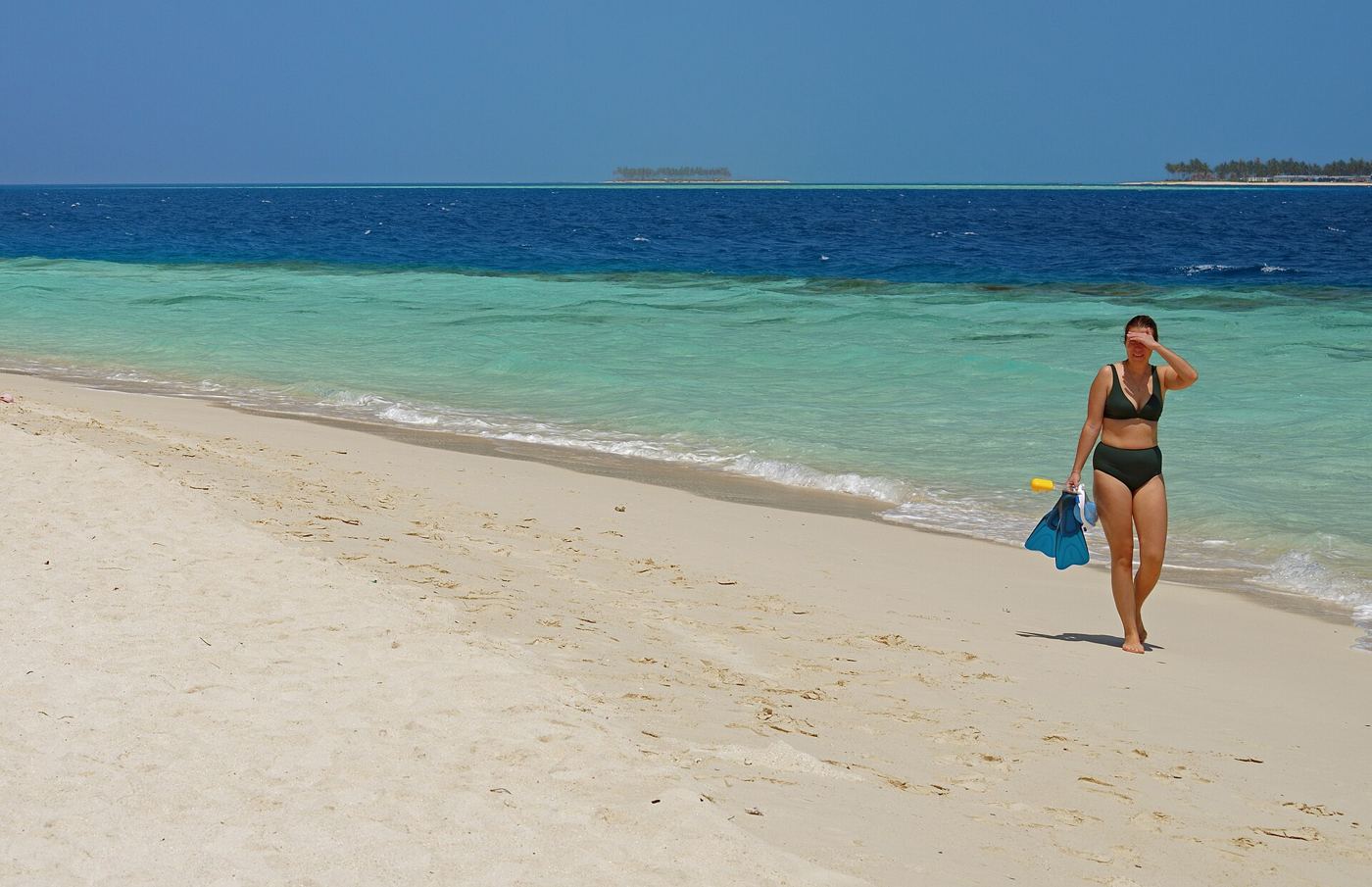
Few places on earth make snorkelling as effortless as the Maldives. The country is made up entirely of low-lying coral islands scattered across 26 natural atolls in the Indian Ocean, and almost every island sits beside a lagoon and a reef. Water temperatures hover around 27 to 30 degrees Celsius year round, and visibility regularly exceeds 20 metres, which means even first-time snorkellers can enjoy world-class conditions without a boat.
House reefs: snorkelling from the beach
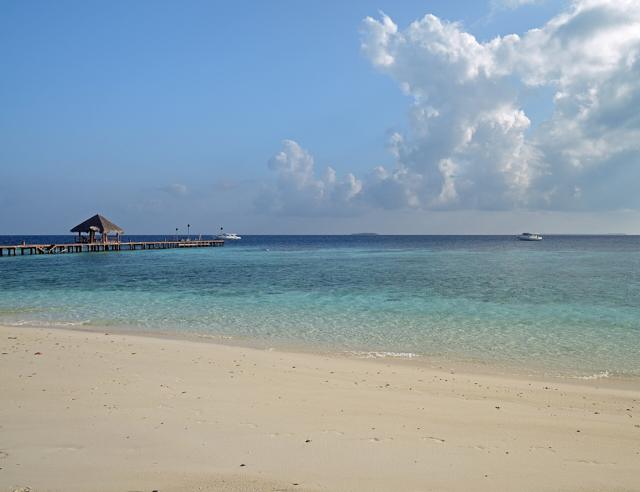
Many resort islands and a growing number of local islands sit directly on a house reef, a fringing reef that can be reached by swimming from the beach or stepping off a jetty. A good house reef offers everything most snorkellers want: coral formations, clouds of reef fish, and regular visits from turtles and reef sharks. When choosing where to stay, it is worth checking whether the island has an accessible house reef, because islands set in wide sandy lagoons may require boat trips to reach good coral.
What you might see
The Maldives sits on some of the richest reef systems in the Indian Ocean. Commonly seen species include:
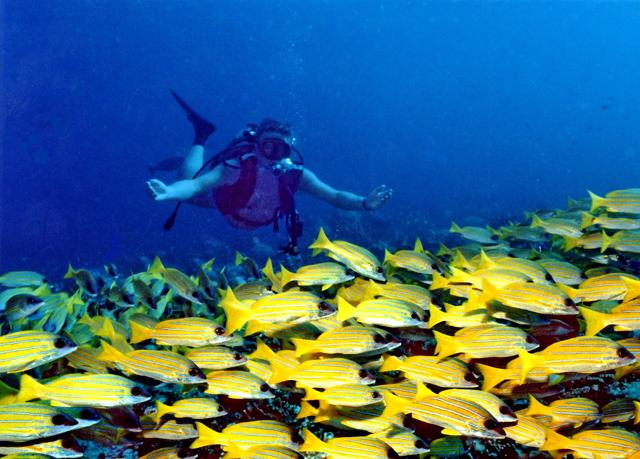
- Parrotfish, butterflyfish, angelfish, surgeonfish and clouds of anthias
- Hawksbill and green sea turtles
- Blacktip reef sharks, which are small, shy and harmless to swimmers
- Moray eels, octopus and lionfish among the coral
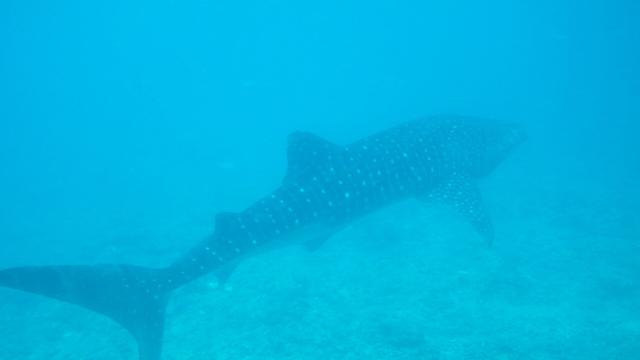
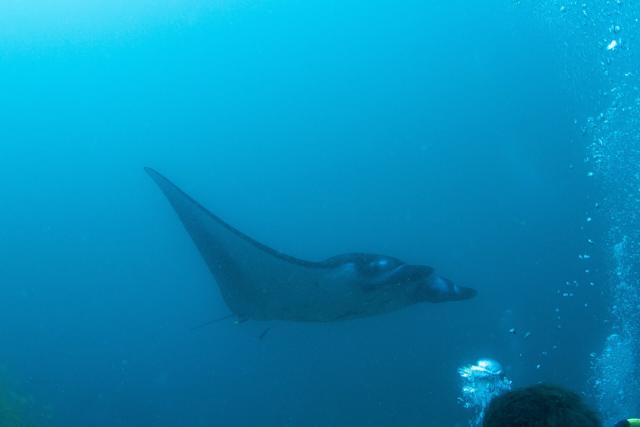
- Eagle rays and, in season, manta rays and whale sharks in certain atolls
Seasons and conditions
Snorkelling is possible all year. The dry northeast monsoon, roughly December to April, generally brings the calmest seas and clearest water. The wetter southwest monsoon, from around May to November, can bring wind, rain and reduced visibility, though plankton-rich water in this period attracts filter feeders such as manta rays, particularly in Baa Atoll's famous Hanifaru Bay, where snorkelling with aggregating mantas is managed under strict protection rules.
Safety basics
Currents in the Maldives can be stronger than they look, especially in channels between islands. Sensible precautions include snorkelling with a buddy, checking conditions with local staff before entering the water, staying inside the reef edge unless you are experienced, and wearing a rash vest or reef-safe sunscreen, because the equatorial sun is intense even in the water. Many resorts require or recommend flotation aids for weaker swimmers.
Reef-friendly etiquette
Coral is a living animal and is easily damaged. Never stand on, touch or kick coral, keep a respectful distance from turtles and other animals, do not chase or feed fish, and never touch or ride any marine creature. These are not just courtesy rules; wildlife interaction guidelines are taken seriously across the Maldives, and marine protected areas carry formal regulations.
FAQ
Do I need to be a strong swimmer to snorkel in the Maldives?
Basic swimming ability is enough for calm lagoon and house-reef snorkelling, and flotation vests are widely available. Channel and open-water snorkelling should be left to confident swimmers.
When is the best time of year to snorkel?
December to April usually offers the calmest, clearest conditions, while May to November brings more plankton and better chances of seeing manta rays in atolls such as Baa.
Can I snorkel from any island?
Almost every island has a lagoon, but the quality of snorkelling varies. Islands with an accessible house reef offer the best snorkelling straight from shore.