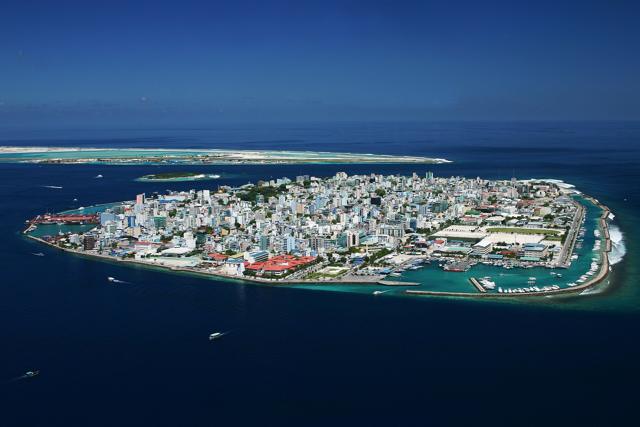
Mangroves and Island Vegetation of the Maldives
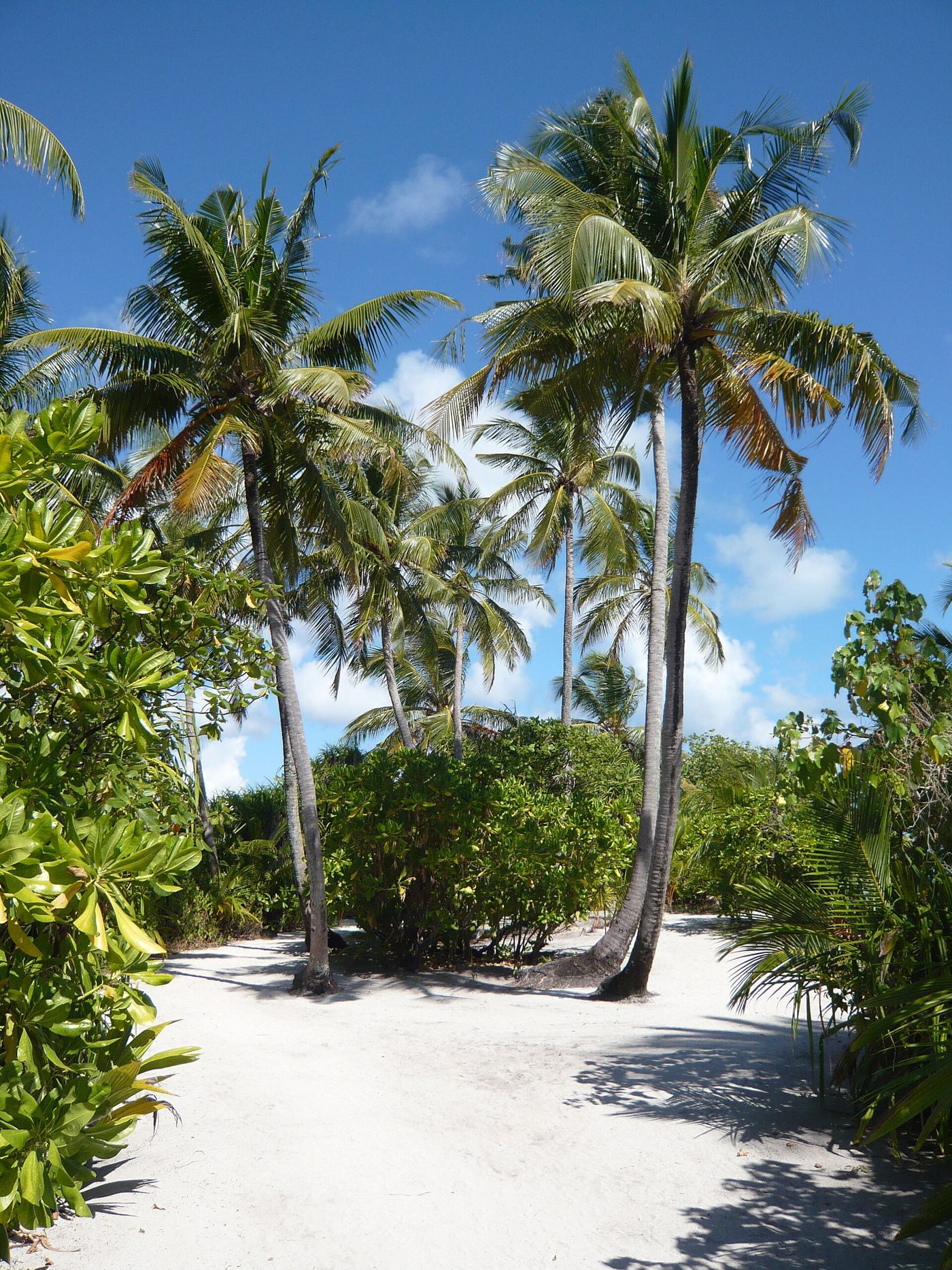
Coral built the Maldives' islands, but plants keep them from washing away. On flecks of sand barely above sea level, with no rivers, no hills and precious little soil, a specialised community of salt-tolerant vegetation binds the ground, shades the villages and shelters the wildlife. And on certain islands, something rarer survives: true mangrove wetlands.
Life on coral sand
Island plants here cope with conditions that would kill most vegetation: salty spray, brackish groundwater floating in a thin freshwater lens beneath each island, blazing sun and coral rubble for soil. The species that thrive are specialists — deep-rooted, waxy-leaved, wind-tough.
The island cast
- Coconut palm: the defining tree, covered in its own guide
- Screwpine (pandanus): the spiky, stilt-rooted sentinel of the beach crest, whose segmented orange fruit features in traditional snacks and whose leaves weave into mats
- Sea almond and sea hibiscus: broad shade trees of shorelines and villages
- Beach scrub: tough pioneers like beach cabbage and goat's foot creeper that stitch bare sand together and start the process of island-building
- Breadfruit and banana: staples of island gardens, grown for food in village interiors
- Banyans and other figs: venerable shade trees on older inhabited islands, often the traditional village meeting spot
Kulhi: the Maldives' wetlands
A minority of Maldivian islands hold enclosed brackish or freshwater ponds and marshes known as kulhi, often fringed by mangroves. These wetlands are ecological treasure: they filter and store water, buffer floods, nursery young fish and crabs, and feed birds found almost nowhere else in the country.
Notable examples include the wetlands of Addu Atoll in the far south — part of its UNESCO Biosphere Reserve — Fuvahmulah's freshwater lakes (genuine rarities in a nation with no rivers), and mangrove systems on islands in the northern atolls such as those around Haa Alifu and Haa Dhaalu. Several are protected areas with boardwalks and nature trails.
Why mangroves matter here
Mangroves are shoreline engineers. Their tangled prop roots dissipate wave energy, trap sediment and hold mud and sand in place — natural coastal defence for islands that need every centimetre. Their roots shelter juvenile reef fish before they move out to the coral, linking wetland and reef in one system. In a country facing rising seas, healthy mangroves are infrastructure.
Seeing island nature
Local island tours often include gardens and taro pits; Addu and Fuvahmulah offer genuine wetland walks; and even a resort island rewards a slow lap on foot — from the pioneering creepers on the sand crest to the shaded interior of palms and sea almonds, the whole story of how bare coral sand becomes a living island plays out in fifty metres.
FAQ
Does the Maldives have mangroves?
Yes, on a minority of islands — including wetlands on Addu Atoll, Fuvahmulah's freshwater lakes, and mangrove systems in the northern atolls. They are ecologically precious and several are protected.
What is a kulhi?
The Dhivehi term for an island wetland — an enclosed brackish or freshwater pond or marsh, often ringed by mangroves, that stores water and shelters birdlife and juvenile fish.
Why is vegetation so important on coral islands?
Plant roots bind the loose sand, resisting erosion from waves and monsoon winds, while trees provide shade, food and shelter. Without vegetation, low sand islands are far more vulnerable to storms and sea-level rise.