Marine Protected Areas of the Maldives: Biosphere Reserves and Sanctuaries
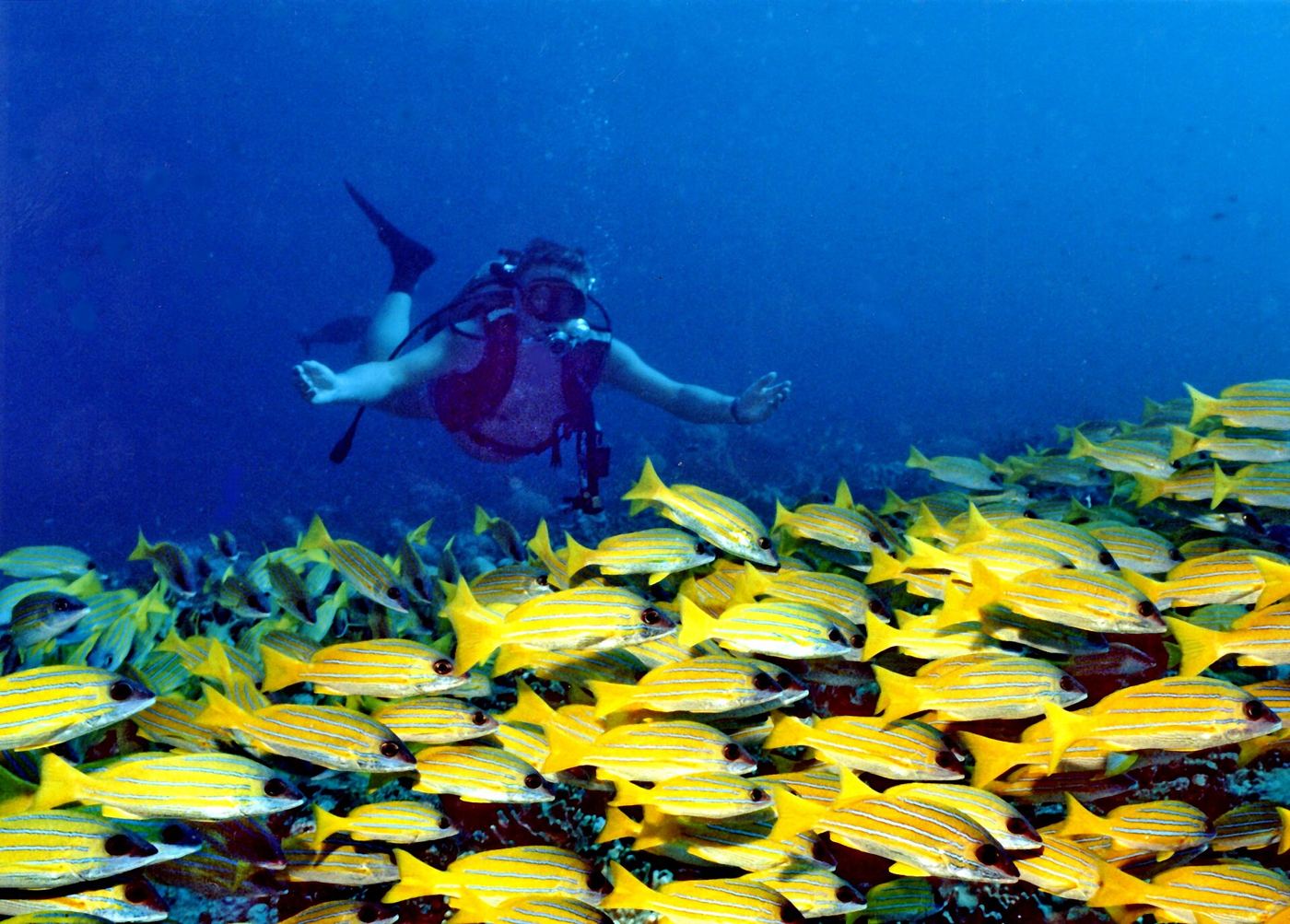
A nation whose land, food and economy all rest on the sea has every reason to protect it. The Maldives has built a layered system of marine protection: internationally recognised biosphere reserves, dozens of protected marine sites, and nationwide rules that shield key species wherever they roam.
Baa Atoll UNESCO Biosphere Reserve
In 2011, Baa Atoll was designated a UNESCO Biosphere Reserve — global recognition of its extraordinary marine life. The reserve blends strictly protected core zones with areas of managed use, aiming to balance conservation with the fishing and tourism communities who live there. Its most famous jewel is Hanifaru Bay, the small bay where manta rays and whale sharks gather to feed on monsoon plankton blooms. Hanifaru is closely managed: snorkelling only, limited numbers, licensed guides.
Biosphere reserves in the south
In 2020, UNESCO added two more Maldivian biosphere reserves: Addu Atoll, the country's southernmost atoll with its unusual wetlands and connected islands, and Fuvahmulah, the remarkable one-island atoll renowned for pelagic shark encounters. These designations recognise ecosystems quite different from the classic central atolls — Addu's mangrove-fringed lakes and Fuvahmulah's freshwater wetlands are rarities in the Maldives.
Protected marine sites
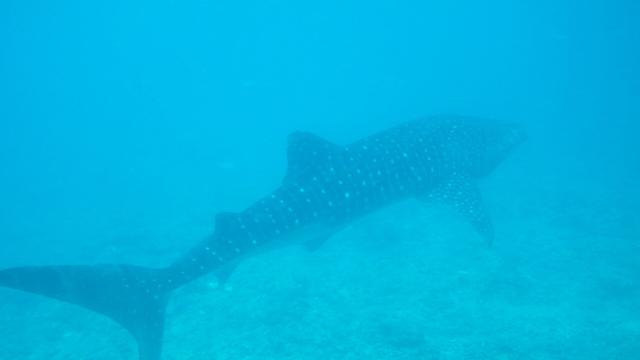
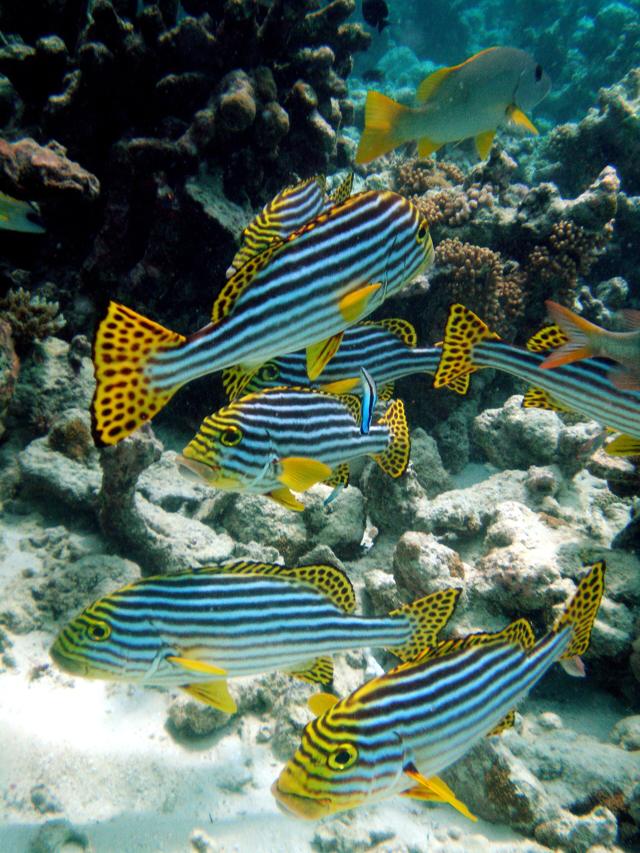
Beyond the biosphere reserves, the Maldives has designated dozens of protected areas over the decades, many of them famous dive sites — channels, thilas (submerged reef pinnacles) and manta cleaning stations. Rules typically restrict fishing and anchoring so that the reefs and the animals that gather there remain undisturbed. South Ari Atoll's marine protected area, established to safeguard its year-round whale sharks, is among the best known.
Species protected everywhere
Some of the Maldives' most important protections apply across all of its waters, not just inside reserves:
- Sharks: shark fishing has been banned nationwide since 2010, making the whole country effectively a shark sanctuary
- Sea turtles: all species are protected, along with restrictions protecting nests and eggs
- Manta rays and whale sharks: protected species with managed encounter guidelines
- Other iconic species: various rays, cetaceans and seabirds enjoy legal protection
Why it matters — and works
Protection in the Maldives is not an abstract principle; it is tightly linked to livelihoods. A living reef shark supports dive tourism for decades; Hanifaru Bay's managed access keeps the manta spectacle returning year after year; the pole-and-line tuna fishery thrives alongside a healthy ocean. Where protection and prosperity pull in the same direction, rules tend to stick.
Visiting protected areas
Visitors will notice little bureaucracy — guides handle permits and briefings where needed, such as at Hanifaru Bay. What matters is behaviour: follow your guide's instructions, keep hands off wildlife and reef, and choose operators who respect site rules even when no ranger is watching.
FAQ
What is special about Baa Atoll?
Baa Atoll is a UNESCO Biosphere Reserve, home to Hanifaru Bay, where monsoon plankton blooms attract some of the largest gatherings of feeding manta rays on Earth, along with whale sharks.
How many UNESCO Biosphere Reserves does the Maldives have?
Three: Baa Atoll (designated 2011), and Addu Atoll and Fuvahmulah (both designated 2020).
Are sharks really protected everywhere in the Maldives?
Yes. Shark fishing has been banned throughout Maldivian waters since 2010 — one reason the country's reefs support such healthy shark populations.