Birds of the Maldives: Herons, Terns and Island Birdlife
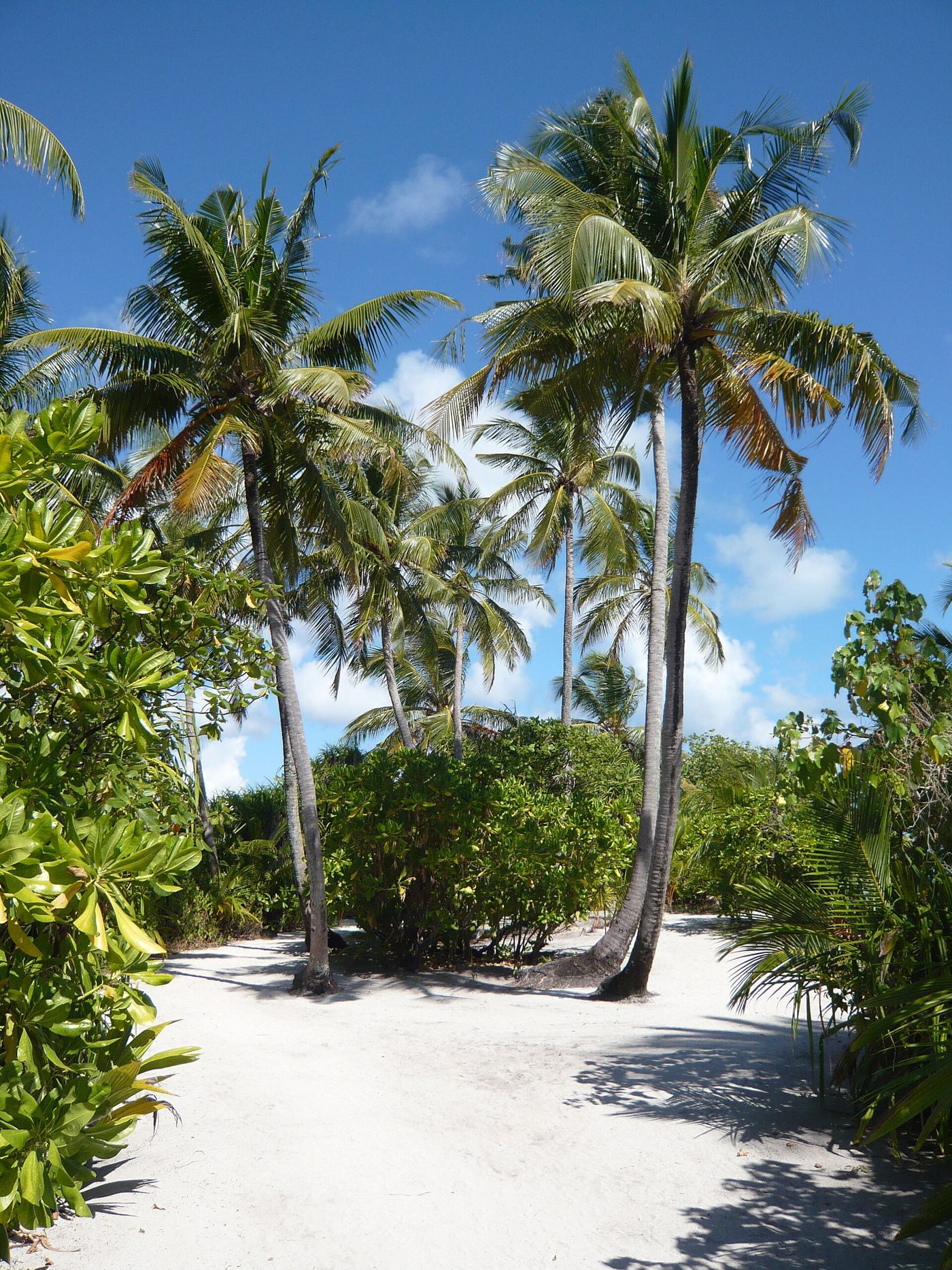
The Maldives has no monkeys, no big cats, no land mammals of any size beyond bats — its islands are too small, too young and too remote. What it has instead is a cast of birds perfectly adapted to a life spread across a thousand specks of coral, and once you start noticing them, they are everywhere.
The jetty heron: an island character
Ask returning visitors which bird they remember and most will name the grey heron. Tall, patient and completely unbothered by people, herons stake out jetties, water-villa steps and shorelines across the resorts, spearing small fish in the shallows at dawn and dusk. Many islands have a resident bird that staff know by name — as close to a mascot as wildlife gets.
Seabirds of the open atolls
The Maldives' seabirds are most visible around sandbanks, uninhabited islets and the open lagoon:
- Terns: several species patrol the lagoons, hovering and plunging after baitfish. Flocks of feeding terns are a fisherman's signal that tuna are pushing bait to the surface.
- White tern: the luminous, all-white 'fairy tern' is especially associated with Addu Atoll in the deep south, where it is a proud local emblem — unusual in that it lays its single egg directly on a bare branch, with no nest at all.
- Frigatebirds: huge, angular silhouettes riding high thermals, frigatebirds famously harass other seabirds into dropping their catch.
- Noddies and shearwaters: seen around remote islets and on crossings between atolls.
Waders and lagoon birds
Sandflats and lagoon edges attract migratory shorebirds — plovers, sandpipers, whimbrels and curlews stopping over on journeys along the Asian flyways. The Maldives' position in the central Indian Ocean makes its quiet sandbanks a welcome service station for long-distance travellers, particularly during the northern winter.
Land and garden birds
Island vegetation supports a modest but charming set of residents: koels calling loudly from resort gardens, house crows around inhabited islands, and the Asian koel's dawn chorus is a familiar sound in Malé. On southern atolls, white terns and herons thread between the palms. The country's small land area and isolation keep the resident list short — which makes every species easier to learn.
Birdwatching tips
- Dawn and dusk are the busy hours, on the beach and in the gardens alike
- Sandbank trips and crossings between islands offer the best seabird viewing
- Addu Atoll, with its wetlands and causeway-linked islands, is the closest thing the Maldives has to a birding destination
- Binoculars pack small and transform lagoon crossings
FAQ
Does the Maldives have any land mammals?
The only native mammals on the islands are bats — most visibly the large fruit bats known as flying foxes. Everything else furry you might see (like cats) has arrived with people.
What is the most famous bird in the Maldives?
Two candidates: the grey heron, the ever-present fishing companion on resort jetties, and the white tern of Addu Atoll, a pure-white seabird cherished as a southern emblem.
Is the Maldives good for birdwatching?
It is subtle rather than spectacular — the resident list is short, but herons, terns, frigatebirds and migrating shorebirds provide steady interest, and Addu Atoll's wetlands reward a dedicated look.