Coral Bleaching and Reef Recovery in the Maldives
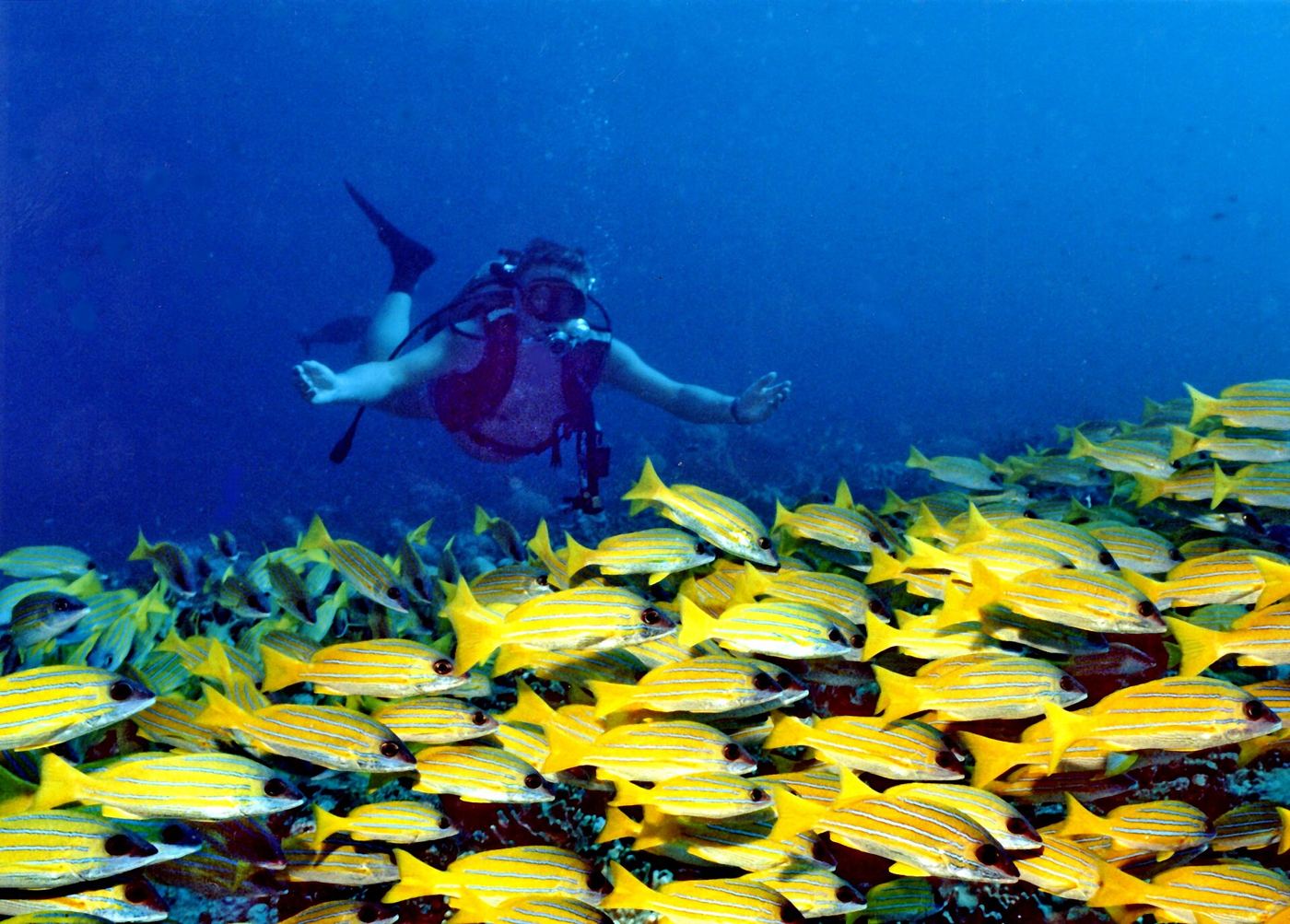
Anyone who cares about the Maldives eventually asks the same question: how are the reefs doing? The honest answer contains both bad news and genuine hope. Maldivian reefs have been hit hard by ocean heatwaves in the past, and they remain vulnerable — yet they have also demonstrated a real capacity to recover, and enormous effort now goes into helping them do so.
What coral bleaching actually is
Reef-building corals live in partnership with microscopic algae inside their tissues. The algae photosynthesise and supply the coral with most of its energy — and its colour. When water stays unusually warm for too long, the stressed coral expels these algae, leaving its white limestone skeleton visible through transparent tissue. This is bleaching.
A bleached coral is not dead. If temperatures fall soon enough, corals can regain their algae and recover. If the heat persists, they starve and die, and the reef structure slowly erodes.
What happened in the Maldives
The Maldives has experienced significant bleaching linked to strong El Niño events, most notably in 1998 and again in 2016, when sea temperatures across the Indian Ocean spiked well above normal. The 1998 event was devastating, killing a large proportion of shallow-water coral across the archipelago. Reefs rebuilt substantially over the following years — demonstrating impressive natural resilience — before the 2016 event caused further widespread damage, with impacts varying greatly from reef to reef.
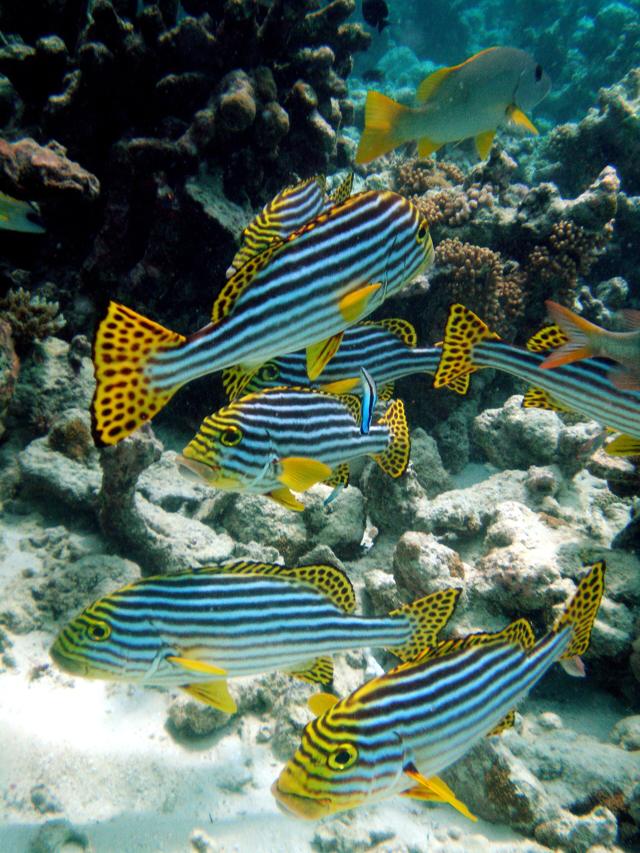
That variation matters. Depth, currents, shading and local conditions meant some reefs suffered badly while neighbours a few kilometres away fared much better. Today's snorkeller will find everything from recovering rubble fields to thriving, colourful coral gardens, sometimes within the same atoll.
Signs of recovery
Reef recovery begins with coral larvae settling on clean, stable surfaces and growing into new colonies. Fast-growing branching corals can re-establish visibly within a few years, while massive boulder corals grow far more slowly but often survive heat stress better. Healthy fish populations — especially grazers like parrotfish that keep algae from smothering young coral — significantly improve a reef's odds, which is one more reason the Maldives' well-protected fish life is an asset.
Restoration and research
Across the Maldives, marine biologists at resorts, local NGOs and research centres run coral restoration programmes — growing coral fragments on frames and ropes in nurseries, then planting them onto degraded reef. Restoration cannot replace natural recovery at scale, but it rebuilds key sites, supports research into heat-tolerant corals, and involves thousands of visitors in conservation every year.
How visitors can help
- Never stand on, kick or touch coral — broken coral takes years to regrow
- Use reef-safe sunscreen or cover up with a rash vest
- Choose operators and resorts with genuine marine conservation programmes
- Take part in a coral planting session — many islands offer them
FAQ
Is coral bleaching the same as coral dying?
No. Bleaching is a stress response in which coral loses its symbiotic algae. Corals can recover if conditions improve quickly; death follows only if the stress lasts too long.
Did the Maldives' reefs recover after 1998 and 2016?
Substantially, yes — recovery after 1998 was well documented before the 2016 event caused new damage. Recovery continues today and varies widely between sites, with many reefs once again vibrant.
Can coral restoration save the reefs?
Restoration helps locally and supports valuable research, but the decisive factor for reefs worldwide is limiting ocean warming. Healthy local conditions — clean water and abundant fish — give Maldivian reefs their best chance.