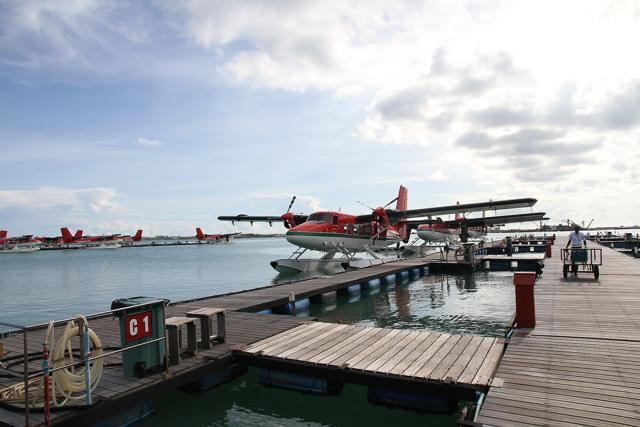
Tuna and the Maldivian Pole-and-Line Fishery: One Fish at a Time
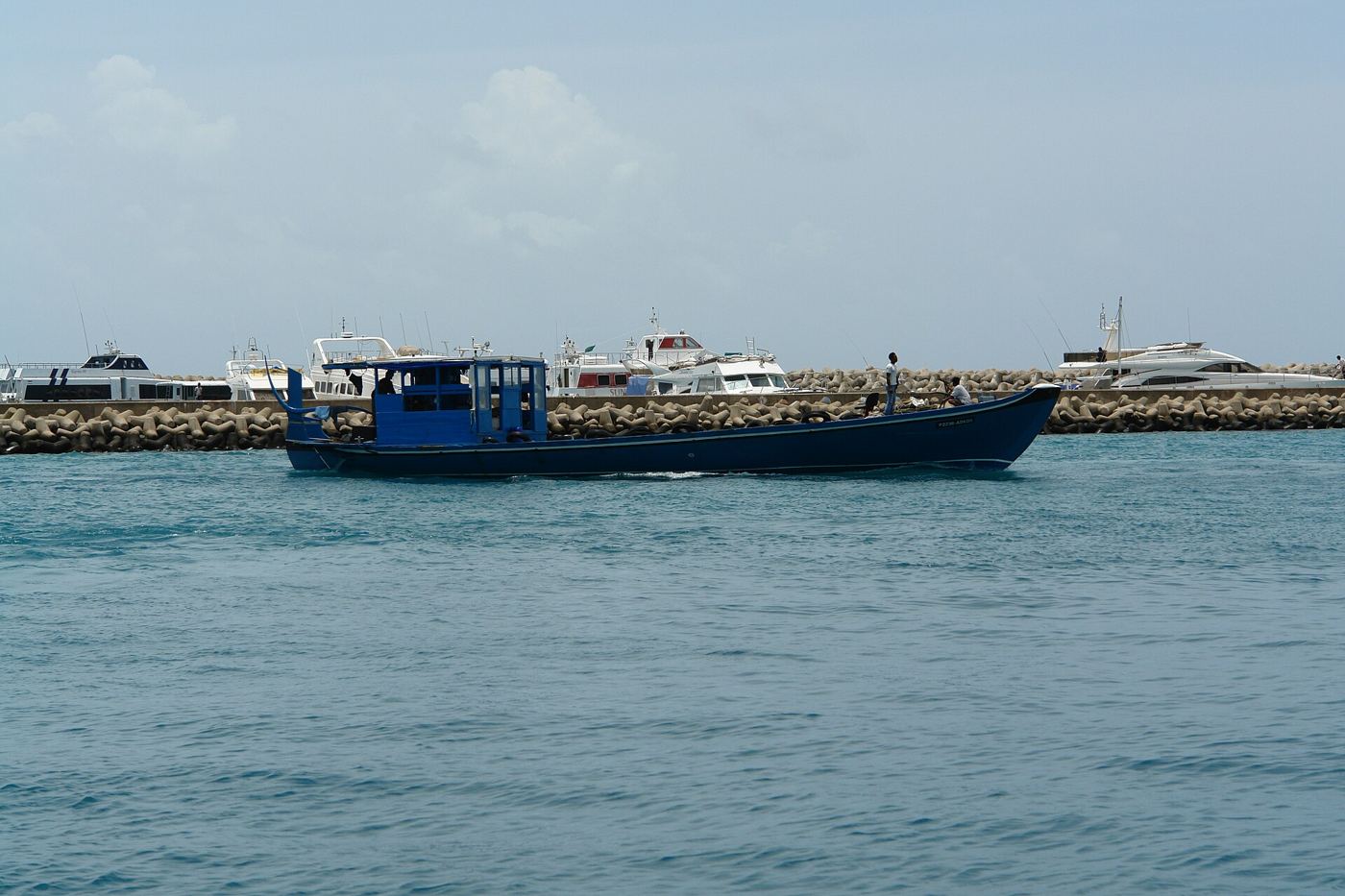
Before tourism, there was tuna. For most of Maldivian history, the ocean's silver harvest was the economy — dried tuna was traded across the Indian Ocean for centuries, and tuna remains woven through the nation's food, culture and identity. What makes the Maldivian fishery remarkable is not just its age but its method: to this day, most Maldivian tuna is caught one fish at a time.
The pole-and-line method
Picture a fishing dhoni riding the swell offshore. The crew scatters live baitfish — small silversides netted in the lagoon at dawn — and sprays water across the surface to imitate a feeding frenzy. Skipjack tuna boil up around the boat, striking at anything that moves. The fishermen stand along the stern with simple poles, barbless hooks and short lines, flicking tuna up and over their shoulders onto the deck in a continuous athletic rhythm. When the school moves on, the fishing stops.
No nets. No long lines stretching kilometres. One hook, one fish, one decision at a time.
Why it matters
The method's virtues have become its selling point in a world worried about industrial fishing:
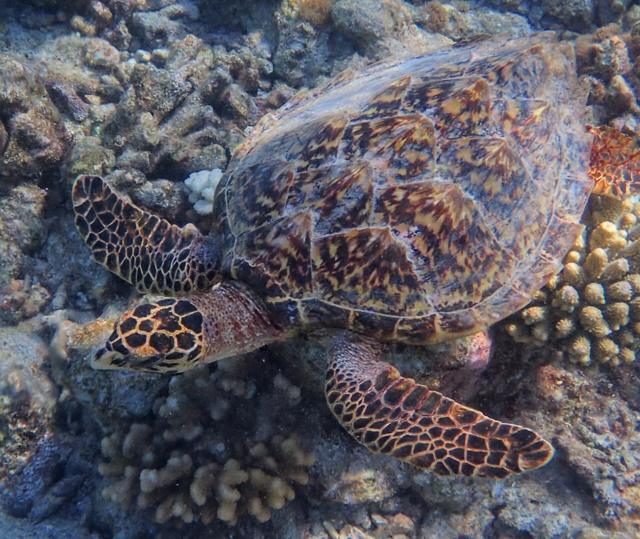
- Almost no bycatch: hooks pulled by hand catch tuna, not turtles, sharks or dolphins
- School-sized harvests: a pole-and-line boat physically cannot strip an ocean the way industrial fleets can
- Local ownership: boats are crewed by islanders, and the value stays in the community
Maldivian skipjack caught this way is prized in international markets, and the fishery has earned sustainability recognition that commands premium prices. When you see 'pole and line caught' on a tin of tuna abroad, that is very often the Maldivian method — sometimes Maldivian fish.
Skipjack and yellowfin
The staple catch is skipjack tuna, the smaller, fast-breeding species that forms huge surface schools across the tropics. Yellowfin tuna — larger and highly prized fresh — is caught by handline and features on every resort menu. Both are eaten fresh, smoked, dried and boiled down into rich pastes that anchor traditional cooking.
Tuna on the plate
Tuna is the backbone of Maldivian cuisine: flaked into mas huni for breakfast, simmered in garudhiya (the clear national fish broth), dried hard as 'Maldive fish' — an umami-rich ingredient historically exported to Sri Lanka — and folded into countless short eats. To eat like a Maldivian is, largely, to eat tuna.
Watching the fishery
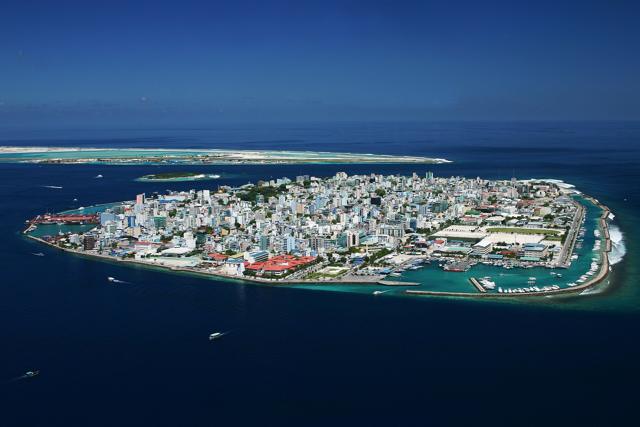
Fish markets — Malé's most of all — show the scale of the catch as dhonis unload glistening skipjack in the afternoon. Some resorts and guesthouses arrange trips with local fishermen, and even watching a crew load bait at dawn tells you plenty about the skill involved. It is working heritage, not a museum piece.
FAQ
Why is Maldivian tuna considered sustainable?
Because of the pole-and-line method: fish are caught individually with barbless hooks, producing minimal bycatch and physically limiting how much a boat can take. The fishery is community-based and has held international sustainability recognition.
What kind of tuna is caught in the Maldives?
Mostly skipjack tuna, caught by pole and line, along with yellowfin tuna caught mainly by handline. Both are central to local cuisine.
What is 'Maldive fish'?
Boiled, smoked and sun-dried tuna, hard as wood and intensely savoury. It has been a famous Maldivian export for centuries and remains a signature ingredient in Sri Lankan cooking.