Overwater Villas in the Maldives: What to Know Before You Book
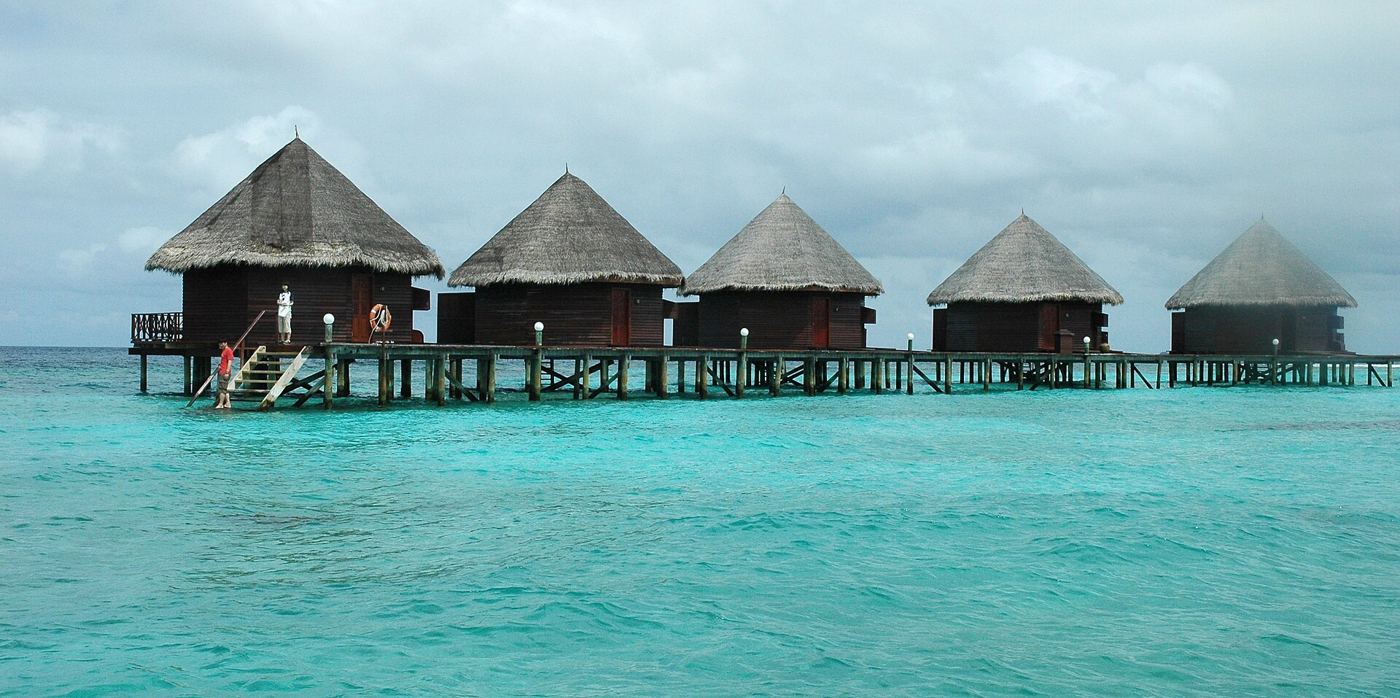
The Maldives did not invent the overwater bungalow, but it perfected the form and made it the global shorthand for paradise. Rows of villas on stilts stepping out over a lagoon define the country's image. They are genuinely wonderful — and they are also a specific product with quirks worth understanding before you commit a honeymoon budget to one.
What an overwater villa actually is
A freestanding suite built on piles above the lagoon, connected to land by a jetty walkway. Standard features across the category include direct water access via steps or ladder, sea-view bathrooms, decks over the water, and at many islands glass floor panels for watching fish from your living room. Premium versions add private pools, slides into the lagoon, hammocks over water and butler service.
Position changes everything
Villas on the same island can offer different experiences depending on where they sit:
- Lagoon side: shallow, calm, pale turquoise water; safe easy swimming, less marine life below.
- Reef side: deeper water near the drop-off; genuine snorkelling from your steps, more fish, occasionally more current and chop.
- Sunset or sunrise facing: a matter of taste; sunset rows are the classic premium.
If snorkelling from the villa is the dream, ask specifically whether villas sit near living reef; a beautiful villa over bare sand delivers colour but not fish.
The honest trade-offs
- Distance: jetty rows mean walks to restaurants and facilities; on large islands, buggies bridge the gap.
- Privacy and noise: water carries sound, decks can neighbour closely, and walkway traffic passes behind some layouts.
- Weather exposure: wind-season chop under the villa is atmospheric to some, sleep-disturbing to others.
- Families: open water access makes overwater villas unsuitable for unsupervised small children, and some islands restrict young children from the category entirely; families often choose beach villas for exactly this reason.
- Accessibility: steps, ladders and long jetties suit mobility-limited guests poorly; beach categories serve better.
Overwater versus beach villa
Beach villas counter with space, gardens, direct sand, easy lagoon entry and often lower rates. Overwater villas counter with the sensation — waking over water, fish beneath the glass, the ladder into blue. Neither wins objectively, which is why the most popular strategy for stays of a week or more is the split: half the stay on the beach, half over the water, experiencing the island twice.
Getting value from the category
- Book the position, not just the category: reef-adjacent and quiet-end villas are worth requesting.
- Use the villa: breakfasts on the deck, snorkel sessions from the steps and glass-floor evenings are the product you paid for.
- Weigh transfer type: seaplane islands put spectacular villas further from the airport; the journey is part of the cost.
FAQ
Can you swim directly from an overwater villa?
At most islands, yes, via steps or a ladder into the lagoon, subject to conditions. Reef-side villas offer real snorkelling; lagoon-side villas offer calm swimming over sand.
Are overwater villas safe for children?
They demand constant supervision given open water access, and some resorts apply age restrictions to the category. Families with young children commonly prefer beach villas.
Is an overwater villa better than a beach villa?
They are different pleasures: sensation and iconography over water versus space and easy sand ashore. Splitting a stay between both is a well-loved compromise.