1153 CE: The Maldives Converts to Islam
If a single date anchors Maldivian history, it is 1153 CE. In that year the reigning king embraced Islam, the population followed, and the archipelago began an unbroken Islamic tradition that continues to this day. The conversion also marks the founding of the Maldivian sultanate, which endured for more than eight hundred years.
The traditional account
Maldivian tradition credits the conversion to a visiting Muslim scholar, remembered as Abu al-Barakat. In the best-known version of the story, the scholar rid the islands of a sea demon that had demanded regular sacrifice, and the astonished king converted to Islam along with his court. The king took the name Sultan Muhammad al-Adil, and messengers carried the new faith to the outer atolls.
What historians can say
Setting legend aside, the essential facts are well attested: the conversion occurred in the mid-twelfth century, was led from the top by the monarchy, and proceeded relatively swiftly across the islands. The famous traveller Ibn Battuta, who visited the Maldives in the fourteenth century and served there as a judge, recorded the conversion story as it was told two centuries after the event, and noted the deep piety of the islanders.
Why the Maldives converted
The Maldives sat on busy Indian Ocean trade routes dominated increasingly by Muslim merchants from Arabia and elsewhere. Trade brought sustained contact with the Islamic world, and conversion aligned the islands with their most important commercial partners. Similar top-down conversions occurred in other Indian Ocean trading societies during the same broad period.
Immediate consequences
The conversion transformed public life. Mosques replaced monasteries as the centre of each island community, Islamic law shaped governance, and Arabic entered the language of religion, scholarship and administration. The lōmāfānu copper plates — the earliest surviving Maldivian documents — date from the decades after the conversion and record the new order being established.
A lasting legacy
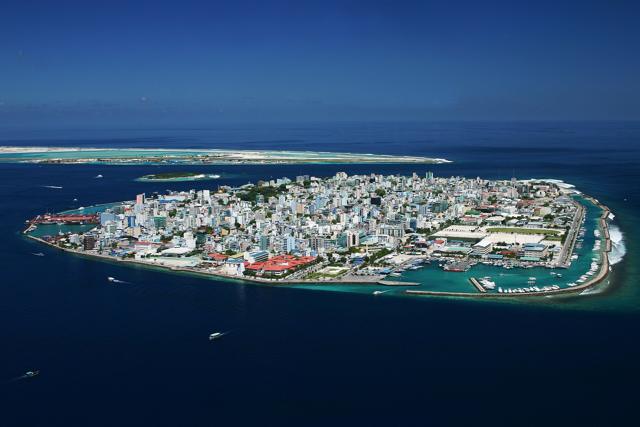
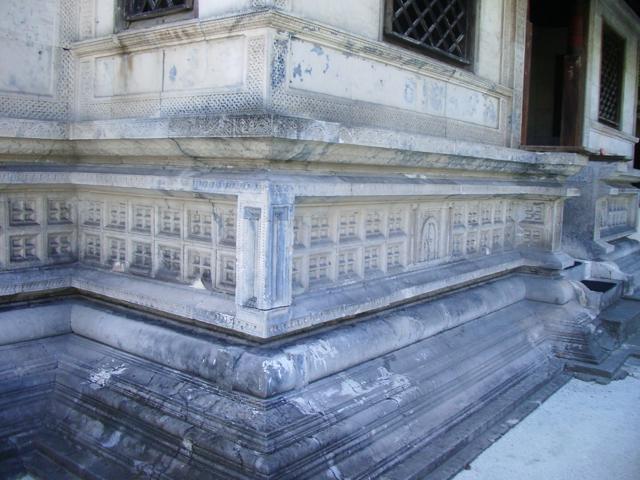
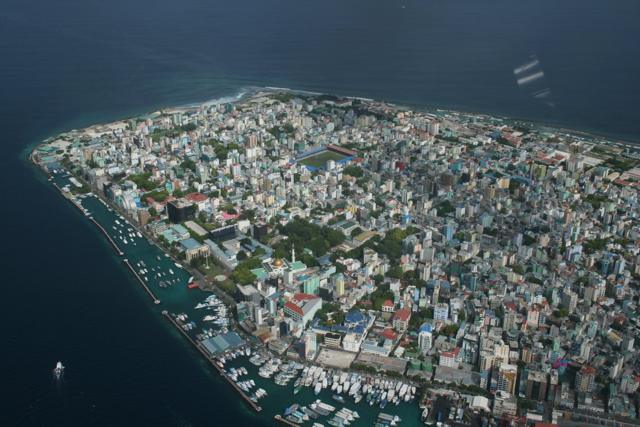
More than 870 years later, the legacy of 1153 is everywhere in the Maldives. Islam is the state religion and a cornerstone of national identity. The country's historic coral-stone mosques, its festivals, its legal traditions and even everyday greetings all trace back to the choice made by a twelfth-century king. The medieval cemetery beside Malé's Old Friday Mosque contains tombstones of sultans who ruled in that tradition across the centuries.
FAQ
When did the Maldives become Muslim?
The conversion is dated to 1153 CE, when the reigning king embraced Islam and took the name Sultan Muhammad al-Adil.
Who converted the Maldives to Islam?
Tradition credits a visiting Muslim scholar remembered as Abu al-Barakat, whose story was recorded by later visitors including Ibn Battuta.
What religion did the Maldives follow before Islam?
The islands were Buddhist for more than a thousand years before the conversion.