How Coral Atolls Form: The Geology Beneath the Maldives
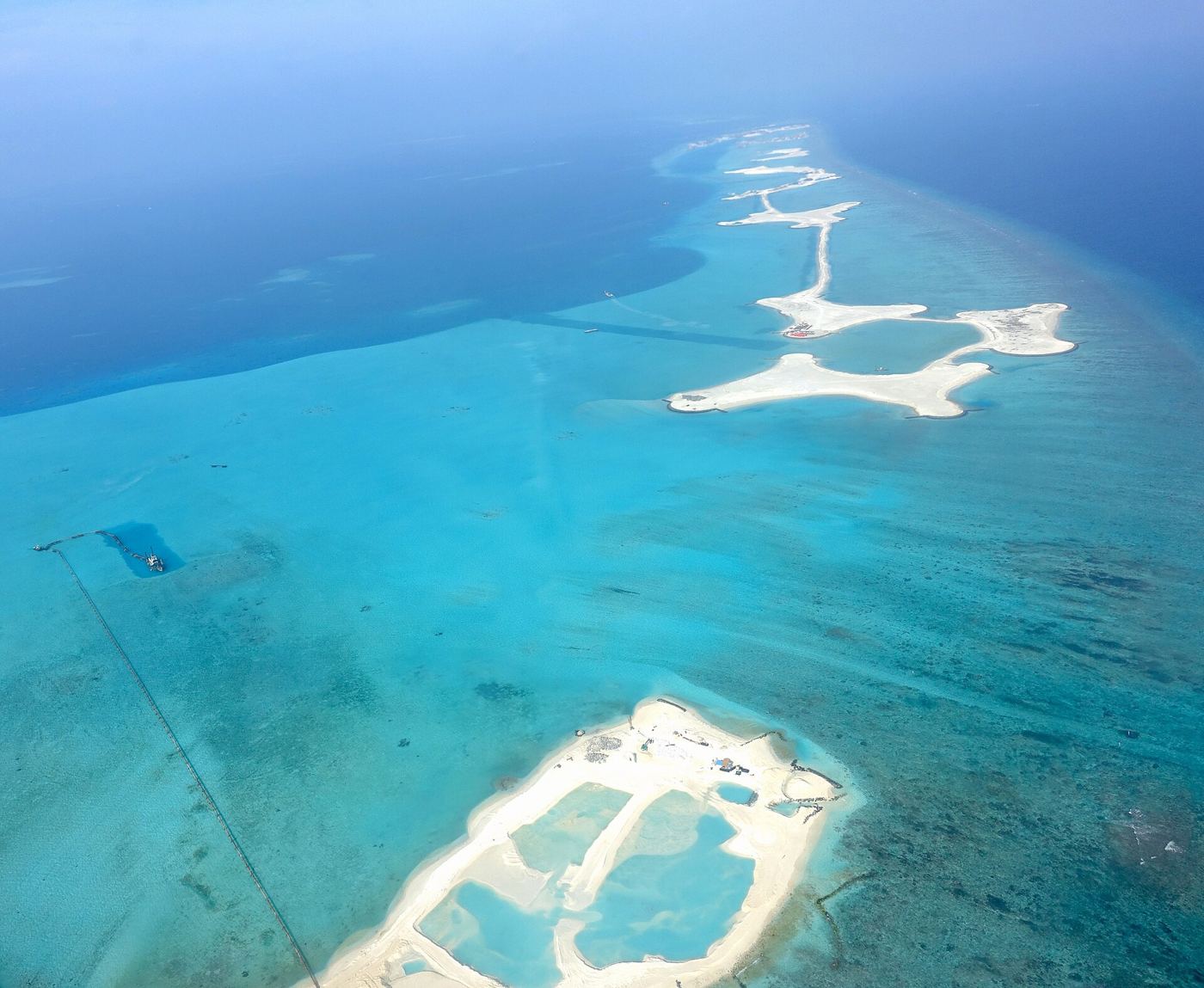
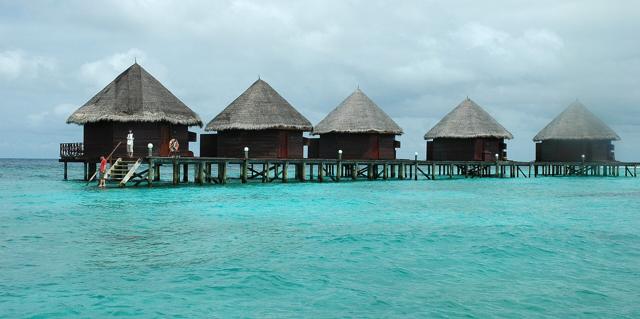
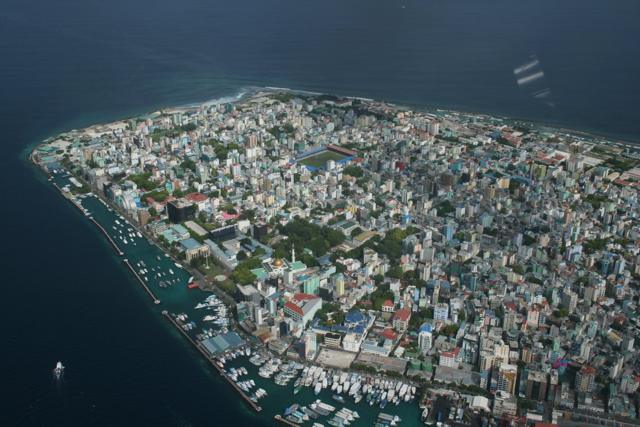
The Maldives looks fragile from the air — necklaces of reef and sand barely breaking the surface — yet those rings rest on one of the great structures of the Indian Ocean: a vast submarine ridge capped with limestone accumulated over tens of millions of years. Understanding how atolls form explains almost everything about the country, from its flatness to its vulnerability.
Darwin's insight
The classic explanation of atoll formation comes from Charles Darwin. Observing Pacific reefs in the 1830s, he proposed a sequence: a volcanic island rises from the sea; corals colonise its shallow fringes, forming a fringing reef; the volcano slowly subsides while corals grow upward toward the light, leaving a barrier reef separated from the shrinking peak by lagoon; finally the volcano disappears entirely, and the reef persists as a ring — an atoll — around a central lagoon. Deep drilling on Pacific atolls in the twentieth century vindicated the theory by striking volcanic rock far beneath thick coral limestone.
The Maldivian version
The Maldives sits on the Chagos-Laccadive Ridge, a mostly submerged volcanic lineament associated with the hotspot now under Réunion, the same mantle plume linked to India's Deccan Traps. As the Indian tectonic plate drifted across that hotspot tens of millions of years ago, volcanoes rose and then subsided. Reef growth kept pace with subsidence and sea-level swings, stacking carbonate more than a kilometre thick in places. The living reefs of today are only the newest skin on that ancient pile.
Ice ages sculpted the details
During glacial periods, global sea level fell by well over one hundred metres, exposing the limestone platforms to rain, which dissolved and carved them. When seas rose again after the last glacial maximum, corals recolonised the flooded rims and knolls. Many features divers know — channels, thilas, and the shapes of lagoons — reflect this drowning of an eroded landscape roughly within the last twenty thousand years, with today's islands being geologically very young accumulations of coral sand and rubble atop the reef flats.
Why this matters now
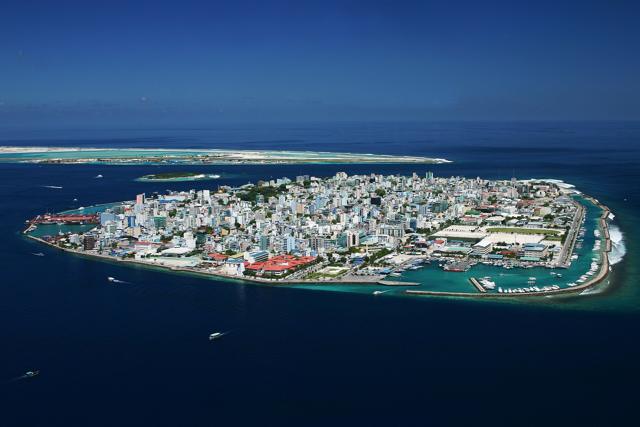
- Islands are low because they are made of wave-piled reef debris, rarely more than a couple of metres above the sea
- Healthy corals are the machinery that produced, and can replenish, island sediment
- Reef degradation therefore threatens not just beauty but the physical persistence of land
The atolls are not static relics; they are dynamic systems in which growth, erosion and sea level negotiate constantly. That negotiation is the story of the Maldives' past — and its future.
FAQ
Are the Maldives volcanic islands?
Not at the surface. The islands are coral limestone and sand, but they sit on a deep volcanic ridge that subsided long ago.
Who first explained atoll formation?
Charles Darwin proposed the subsidence theory in the 1830s; later deep drilling confirmed volcanic basement beneath atoll limestone.
How old are the islands themselves?
The sand islands are geologically young — generally formed within the last few thousand years atop much older reef platforms.