Maldivian Cuisine: An Introduction to the Food of the Islands
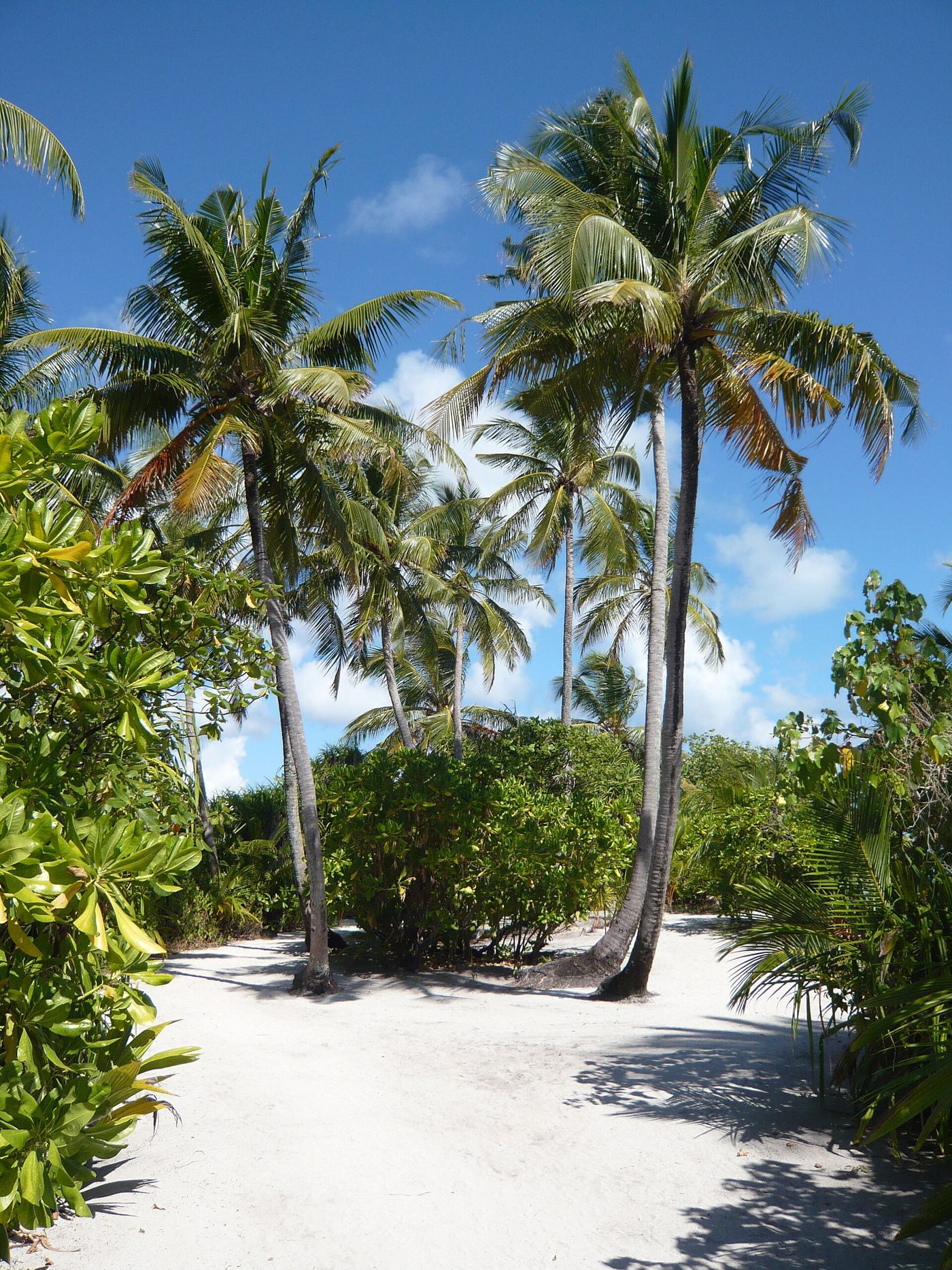
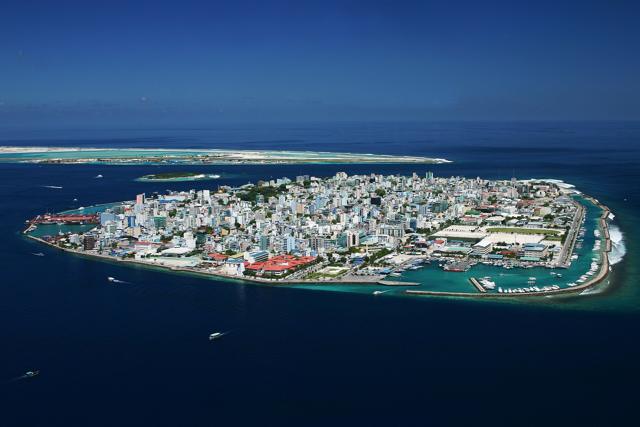
Maldivian cuisine, known locally as Dhivehi cooking, is the food of a nation scattered across hundreds of small coral islands in the Indian Ocean. With little farmland and no rivers, the islands developed a cuisine built on what the ocean and the coconut palm could provide. The result is a distinctive food culture that is simple in its ingredients yet remarkably varied in its preparations.
The three pillars: fish, coconut and starch
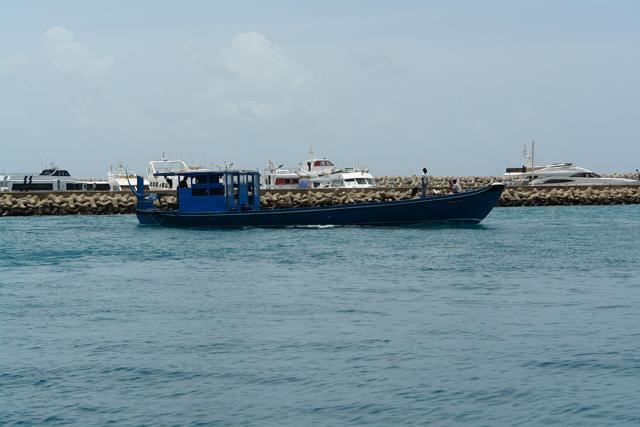
Almost every traditional Maldivian dish rests on three foundations. The first is fish, above all skipjack tuna, which has been caught by Maldivian fishermen for centuries using the pole-and-line method. Tuna appears fresh, dried, smoked and cured, and each form has its own name and uses. The second pillar is the coconut, used grated, squeezed into milk, or pressed for oil. The third is starch: rice, imported for generations, along with flatbreads and starchy staples such as taro and breadfruit.
Trade routes on a plate
The Maldives sits on ancient sailing routes between Arabia, India, Sri Lanka and Southeast Asia, and its food reflects those connections. Curries show the influence of southern India and Sri Lanka, with chilli, curry leaves and warm spices. The technique of drying and smoking tuna into a hard, keepable form echoes the needs of long ocean voyages. Traders introduced spices, rice and cooking styles that islanders adapted to local ingredients.
Dishes to know
- Garudhiya — a clear tuna broth, often called the national dish, served with rice, lime and chilli.
- Mas huni — shredded tuna mixed with grated coconut, onion and chilli, the classic breakfast eaten with roshi flatbread.
- Rihaakuru — a thick, intensely savoury fish paste made by reducing tuna broth for hours.
- Fish curries — tuna or reef fish simmered in coconut milk and spices.
- Hedhikaa — the family of fried and steamed short eats served in tea shops across the country.
How Maldivians eat
Traditional meals centre on rice or roshi with fish in some form, accompanied by condiments such as lime, chilli and onion. Eating with the right hand is customary in homes and local cafés, though cutlery is always available to visitors. Tea shops, known as sai hotaa, are an institution on inhabited islands, serving sweet black tea and short eats through the day.
Resort dining and modern trends
On resort islands, menus span the globe, and Maldivian dishes often appear alongside international cuisine. The growth of guesthouse tourism on local islands has made authentic home-style cooking far more accessible to visitors, and many guesthouses offer Maldivian breakfasts and fish barbecues as a matter of course.
FAQ
What is the national dish of the Maldives?
Garudhiya, a clear fish broth made from tuna, is widely considered the national dish, served with rice, lime, chilli and onion.
Is Maldivian food spicy?
It can be. Chilli features in many dishes, but heat levels vary and visitors can usually ask for milder versions in guesthouses and cafés.
Is pork served in the Maldives?
The Maldives is an Islamic nation and pork is not part of local cuisine. Some resort islands import it for international menus, but it is never found on inhabited local islands.