Flying Foxes of the Maldives: The Islands' Giant Fruit Bats
Every evening across the Maldives, as the light turns gold, large dark shapes lift out of the treetops and row steadily across the sky on slow wingbeats. First-time visitors often mistake them for birds of prey. They are flying foxes — giant fruit bats, and the largest native land animals in the entire country.
Meet the flying fox
The species found across the archipelago is a flying fox of the genus Pteropus — fruit bats with fox-like faces, large eyes and wingspans that can exceed a metre. Unlike the small insect-eating bats familiar elsewhere, flying foxes do not echolocate; they navigate by sight and smell, which is why they are active in daylight and at dusk rather than only in darkness.
Where to see them
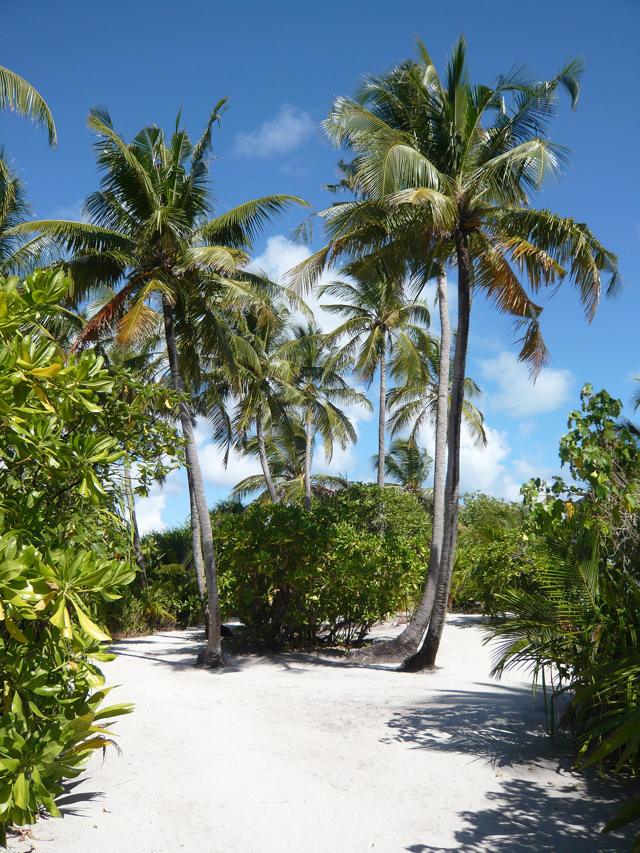
Almost everywhere. Flying foxes roost by day hanging in tall trees — casuarinas, banyans and large fruit trees are favourites — often in loose groups that chatter and squabble audibly. At dusk they commute out to feed, and this is the classic sighting: silhouettes crossing the sunset sky, on resort islands and local islands alike. Some islands host sizeable colonies; on others you may see just a few residents patrolling the gardens.
What they eat
Flying foxes are strict vegetarians. Their diet is fruit, nectar and flowers — mangoes, papayas, bananas, figs, breadfruit and the flowers of coconut palms are all on the menu. They crush fruit against ridged palates to extract juice and pulp, spitting out much of the fibre.
The islands' gardeners
That fruity diet gives flying foxes an important ecological job. As they travel between islands carrying seeds in their guts and pollen on their fur, they pollinate flowers and disperse seeds across the archipelago. On isolated coral islands with few other animals to do this work, fruit bats are key gardeners, helping island vegetation regenerate and spread. Their ability to cross open water between islands makes them uniquely valuable in a nation of scattered specks of land.
Living alongside people
Fruit growers understandably have mixed feelings when bats raid a mango tree, and the relationship between islanders and flying foxes has not always been easy. But for visitors the bats are pure delight — a wildlife spectacle available nightly, no boat required. They are harmless to humans; like all wild animals they should simply not be handled.
Watching tips
- Scan tall trees by day for hanging, folded-wing silhouettes — listen for squabbling
- The half hour around sunset is prime commuting time
- Fruiting and flowering trees act as magnets after dark
- Look up during breakfast too — flying foxes often fly and feed in daylight
FAQ
Are flying foxes dangerous?
No. Maldivian flying foxes eat fruit, nectar and flowers and pose no threat to people going about their day. As with any wild animal, they should not be touched or handled.
Why are they called flying foxes?
Their long muzzles, upright ears and large eyes give their faces a distinctly fox-like look. They are true bats — the largest kind, belonging to the fruit bat family.
When is the best time to see flying foxes in the Maldives?
Around sunset, when they leave their daytime roosts to feed. They are present on islands throughout the country, resorts included, all year round.