Fishing Culture in the Maldives
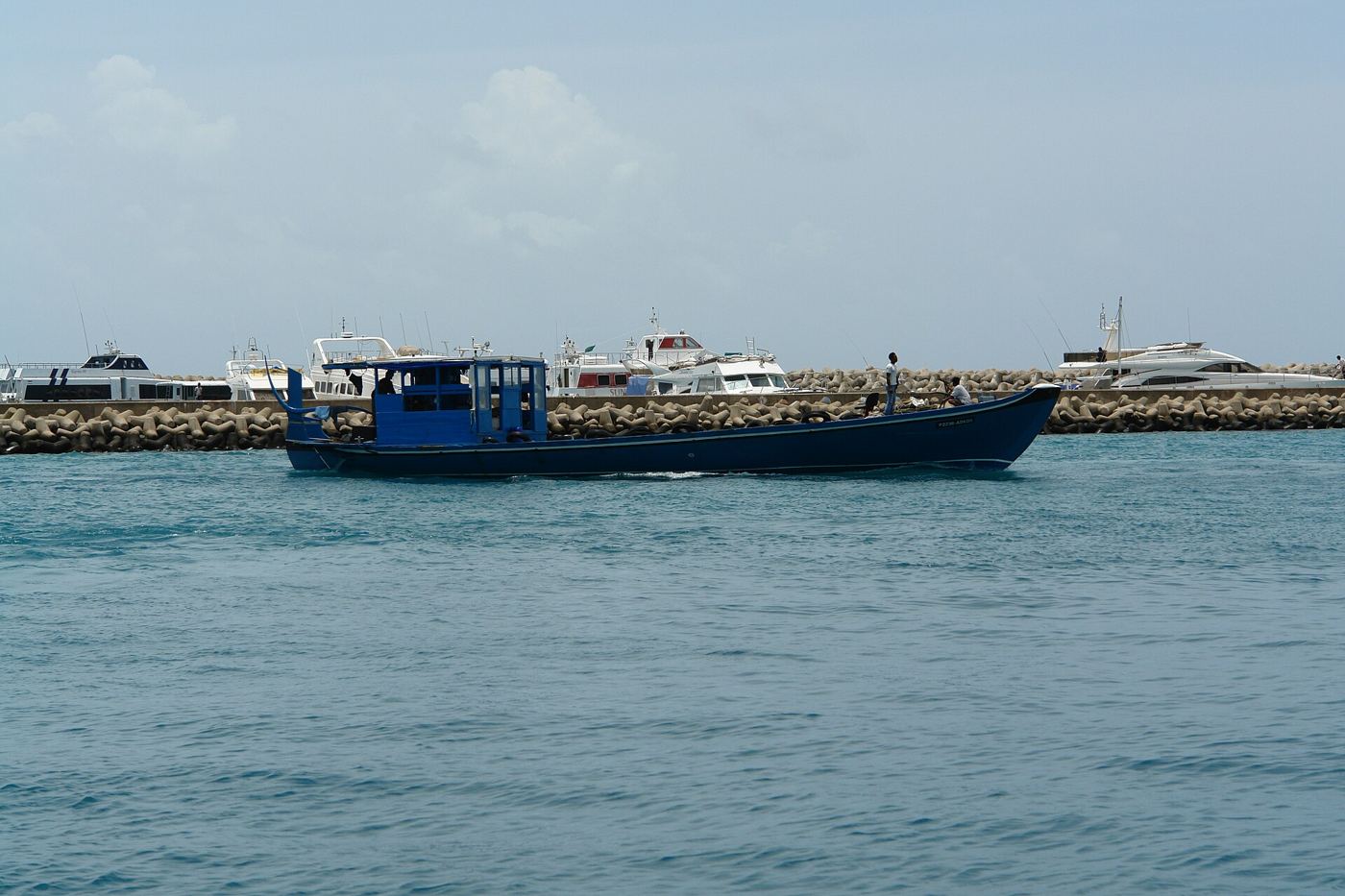
Tourism may dominate the modern economy, but fishing made the Maldives. For as long as the islands have been inhabited, their people have lived from the surrounding ocean, and fishing remains a vital industry, a daily food source and a cornerstone of national identity.
A nation of tuna fishermen
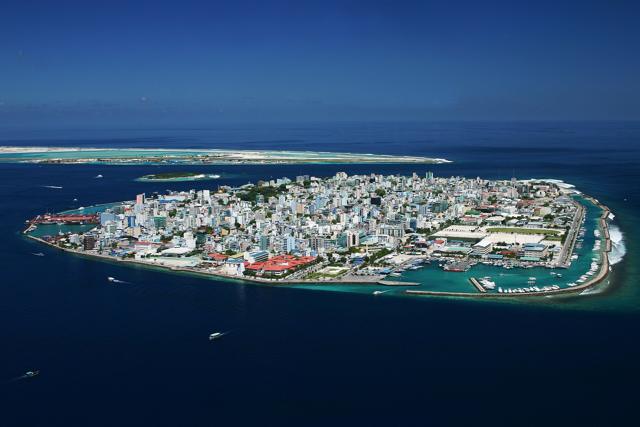
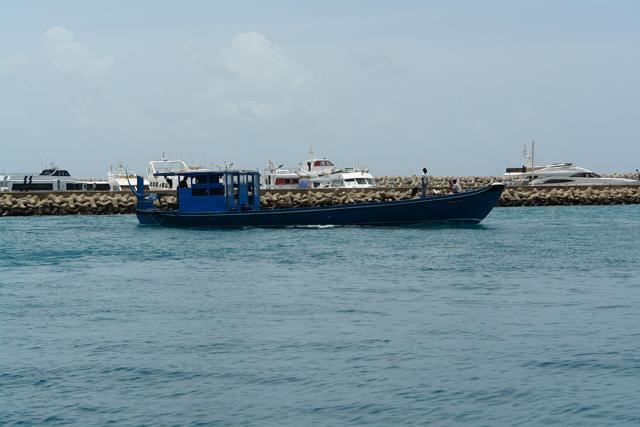
The heart of Maldivian fishing is tuna — above all skipjack, along with yellowfin. Tuna schools migrate through the deep channels between atolls, and generations of fishermen have followed them at dawn aboard their dhonis, returning in the afternoon with the day's catch. Fish markets, most famously the busy market on Malé's waterfront, bustle as the boats come in.
Pole and line: the sustainable method
Maldivian tuna fishing is famous for its method: pole and line. Fishermen first catch small live baitfish in the lagoons, then scatter them at sea to spark a feeding frenzy, hauling tuna aboard one by one on barbless hooks fixed to bamboo or fibreglass poles. There are no nets sweeping up turtles, dolphins or sharks — the method is highly selective, and it has earned Maldivian tuna a global reputation for sustainability. Large-scale net fishing methods such as purse seining are not used by the local fleet in Maldivian waters.
Maldive fish: the historic export
Centuries before refrigeration, Maldivians perfected a way to preserve their catch: boiling, smoking and sun-drying tuna until hard. The result, known across the region as Maldive fish, became the country's signature export, prized in Sri Lanka where it remains a staple flavouring. This trade connected the atolls to the wider Indian Ocean economy for hundreds of years.
Fishing in daily culture
Fish — above all tuna — anchors the national cuisine, from garudhiya fish broth to mas huni, the beloved breakfast of shredded smoked tuna with coconut. Fishing skill was traditionally a mark of standing on the islands, and the rhythms of boats leaving and returning still shape daily life on fishing islands. National Fishermen's Day is marked each year in recognition of the industry.
The industry today
Fishing is the country's second industry after tourism and its principal goods export. Modern dhonis are motorised and larger than their sailing ancestors, canning and processing facilities operate within the country, and Maldivian pole-and-line tuna is marketed internationally as a premium sustainable product.
Experiencing fishing culture
Visitors can join sunset hand-line fishing trips offered by nearly every resort and guesthouse, visit the Malé fish market, or simply watch the dhonis return to a local island harbour in the late afternoon — one of the most authentic sights in the Maldives.
FAQ
What fish is the Maldives famous for?
Tuna, especially skipjack, caught by the traditional pole-and-line method.
Why is Maldivian tuna considered sustainable?
Pole-and-line fishing catches tuna individually with minimal bycatch, avoiding the environmental damage of large-scale net methods.
What is Maldive fish?
Boiled, smoked and sun-dried tuna — a centuries-old preserved export still prized in regional cooking.