The Coconut Palm: National Tree of the Maldives
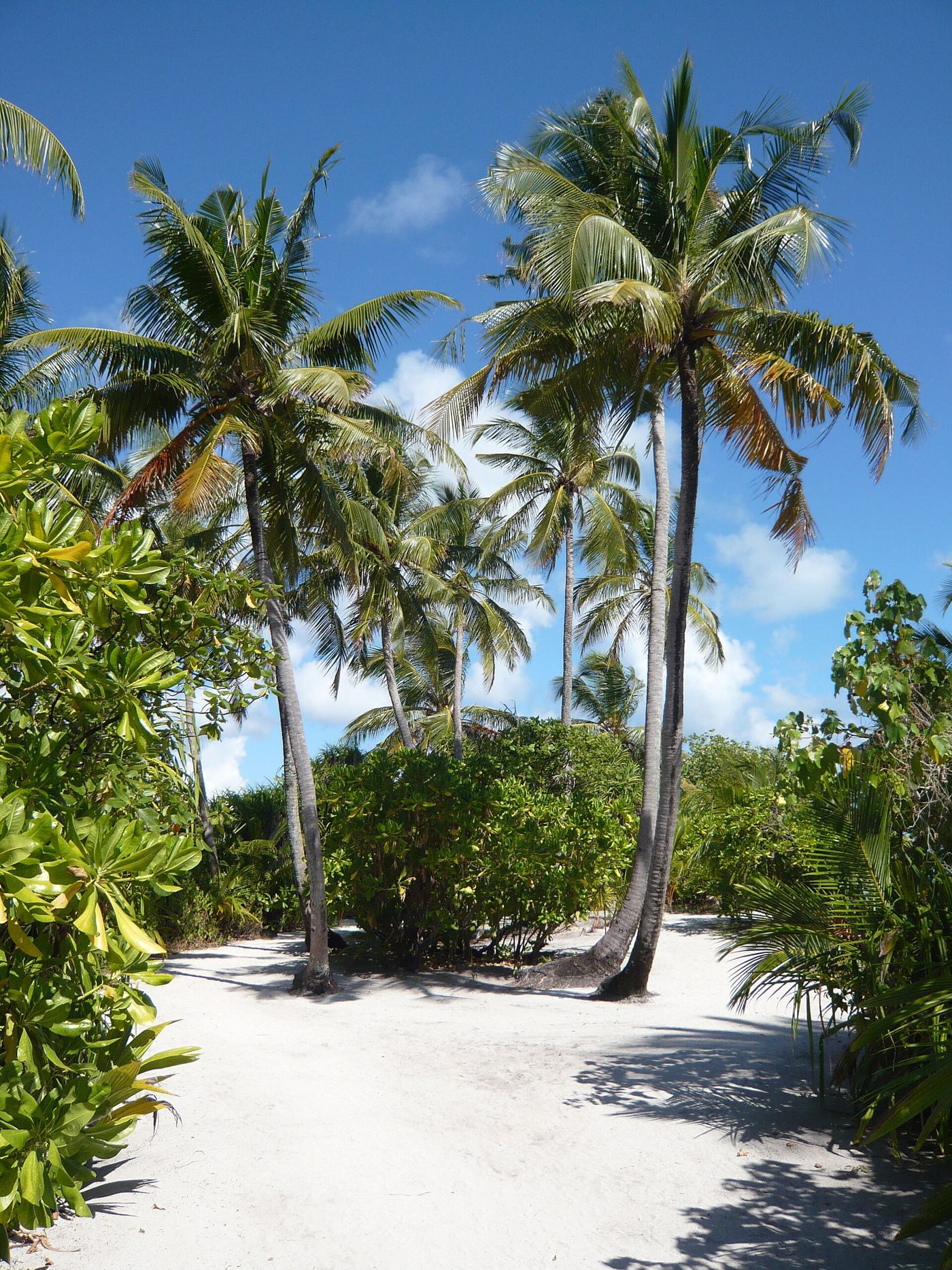
If the tuna is the Maldives' fish, the coconut palm is its tree — officially. The palm appears on the national emblem, leans photogenically over every famous beach, and for most of history it supplied islanders with food, drink, building material, rope, fuel and shade. It is hard to name another plant so completely entangled with a nation's survival.
A tree built for coral islands
Coconut palms are almost custom-made for low coral islands. They tolerate salt spray, sandy soil and drought; they anchor themselves against monsoon winds with dense root mats; and their buoyant, seawater-proof nuts float between islands and sprout where they land — nature's own colonist, spreading across the atolls long before people could plant them deliberately.
Everything has a use
Traditional island life used virtually every part of the tree:
- The nut: flesh eaten fresh or grated into cooking, oil pressed for food and lamps, coconut milk enriching curries
- The water: young green coconuts (kurumba) hold litres of sterile, refreshing drink — still served open-topped at every resort
- The husk: fibre (coir) twisted into rope — Maldivian coir rope was famous among Indian Ocean sailors for centuries and rigged the dhonis themselves
- The trunk: timber for boats and houses
- The fronds: woven into thatch (cadjan) for roofing, mats, baskets and fences
- The sap: tapped from flower stalks as sweet toddy (raa), boiled into syrup and palm sugar
On the national emblem
The Maldivian national emblem places a coconut palm at its centre, flanked by national flags beneath a crescent and star — official acknowledgement of the tree that made island life possible. The choice is often explained simply: no other living thing has given Maldivians so much.
Palms and the postcard
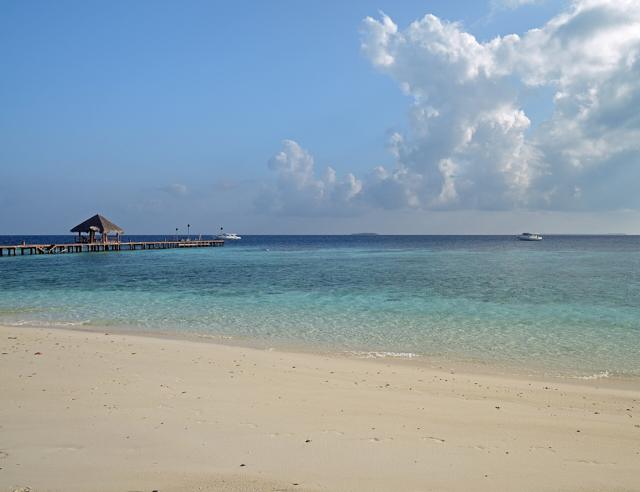
Tourism added a new job to the palm's résumé: scenery. The lean of a palm over turquoise water is the Maldives' visual signature, and resorts manage their palms with real care — including, prosaically but importantly, harvesting coconuts above walkways so nobody meets a falling one. A tall palm can carry dozens of nuts, and island staff climb or trim regularly.
A note on island greenery
The palm shares the islands with breadfruit trees, screwpines (whose fibrous fruit segments appear in local snacks), sea almonds, hibiscus and frangipani. But walk any island shoreline and it is the palms that define the skyline — the same silhouette that greeted sailors a thousand years ago.
FAQ
Why is the coconut palm the national tree of the Maldives?
Because island life depended on it: food, drink, oil, rope, timber and thatch all came from the palm. It appears at the centre of the national emblem in recognition of that role.
What is kurumba?
The Dhivehi word for a young green drinking coconut, served chilled with the top cut open. It also lent its name to the Maldives' first resort island.
Do coconuts really fall on people?
Falling coconuts are a genuine, if small, hazard anywhere palms overhang paths — which is why resorts routinely harvest nuts above walkways and sunbeds. Locals simply don't linger under heavily laden palms in wind.