Hulhumalé: The Artificial Island Reshaping the Maldives
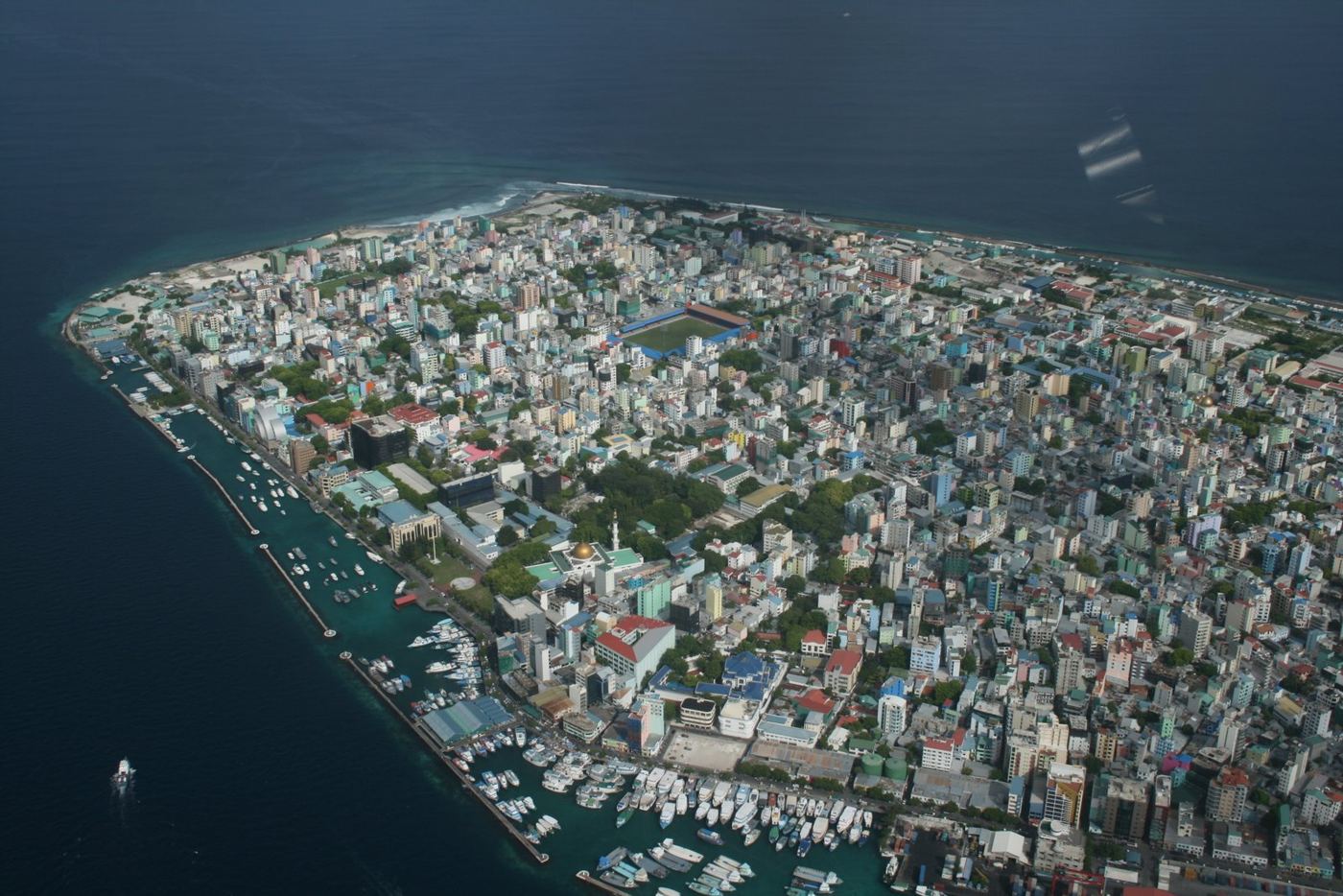
Hulhumalé is a planned urban island in the south of North Malé Atoll, created by pumping sand onto a shallow reef lagoon beside the international airport. It exists to relieve the extreme congestion of the capital, Malé, which lies a short bridge or ferry ride away and long ago ran out of land.
Why the Maldives built an island
Malé's population density is among the highest of any city in the world, with housing pressure to match. Rather than expand into the sea piecemeal, the government created a purpose-built settlement. Reclamation began in the late 1990s, and the first phase of Hulhumalé was formally settled in 2004. A second, larger phase of reclamation followed in the 2010s, and high-rise public housing towers now accommodate tens of thousands of residents.
Engineered with the future in mind
One detail sets Hulhumalé apart from most Maldivian islands: elevation. Natural islands in the archipelago typically rise little more than a metre above the sea. Hulhumalé was reclaimed to roughly two metres above sea level, a deliberate buffer against rising seas and storm surge. For a nation whose natural high point is only about 2.4 metres, that extra height is strategic, and the island is often described as part of the country's climate adaptation plans.
A planned city, Maldivian style
Unlike organically grown Malé, Hulhumalé follows a master plan: gridded streets, allocated zones for housing, schools, mosques, parks and light industry, and a long public beach on the eastern shore. The Sinamalé Bridge, opened in 2018, links Hulhumalé and the airport island to Malé, knitting the three islands into a single urban region where a large share of all Maldivians now live.
What visitors use Hulhumalé for
- Convenient overnight stays near the airport, especially before early seaplane transfers
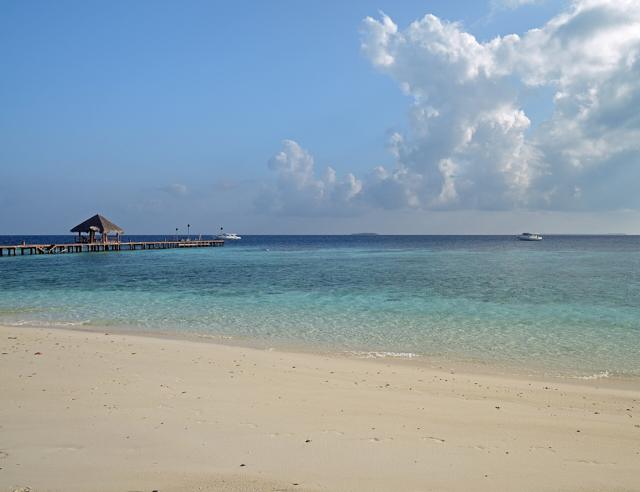
- Guesthouse-based budget holidays with a public beach a short walk away
- A glimpse of contemporary Maldivian city life beyond the resorts
The island's guesthouse strip has grown into a destination in its own right, offering an affordable alternative to resort stays while remaining subject to the same local rules that apply on inhabited islands, including modest dress on public beaches and no alcohol.
The bigger picture
Hulhumalé is the most visible example of a broader Maldivian reality: land is made, defended and raised by engineering. Reclamation is controversial among environmentalists because it can smother reefs and seagrass, yet it is also central to how this low-lying nation plans to house its people. Hulhumalé embodies that tension — and, for now, its most ambitious answer.
FAQ
Is Hulhumalé man-made?
Yes. It was created by land reclamation on a shallow lagoon beside the airport, settled from 2004 and expanded in later phases.
Why is Hulhumalé higher than other islands?
It was deliberately reclaimed to around two metres above sea level to provide resilience against sea-level rise and storm surge.
Is Hulhumalé good for a stopover?
Yes. Its proximity to the airport, guesthouses and public beach make it the most practical overnight base near Malé.