Mosques of the Maldives: From Coral Stone to Golden Dome
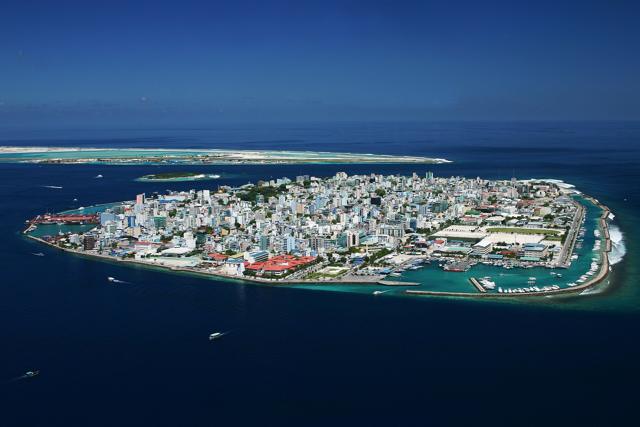
Mosques are the heart of every inhabited Maldivian island, and collectively they hold the nation's finest architecture. The tradition spans from medieval coral-stone prayer houses to the modern Islamic Centre whose golden dome dominates the Malé skyline — a built record of nearly nine centuries of Maldivian Islam.
The coral-stone tradition
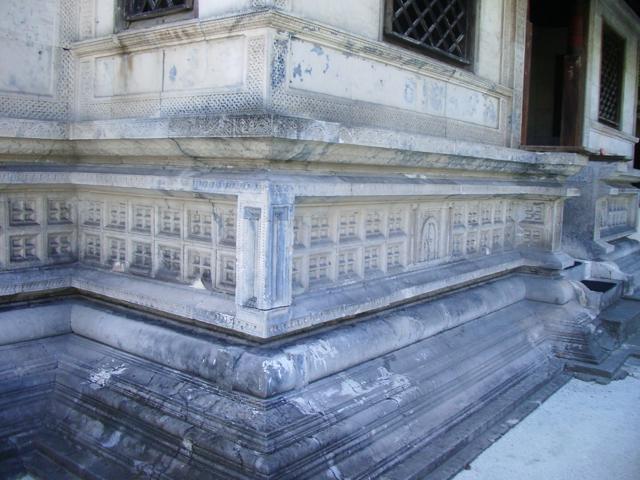
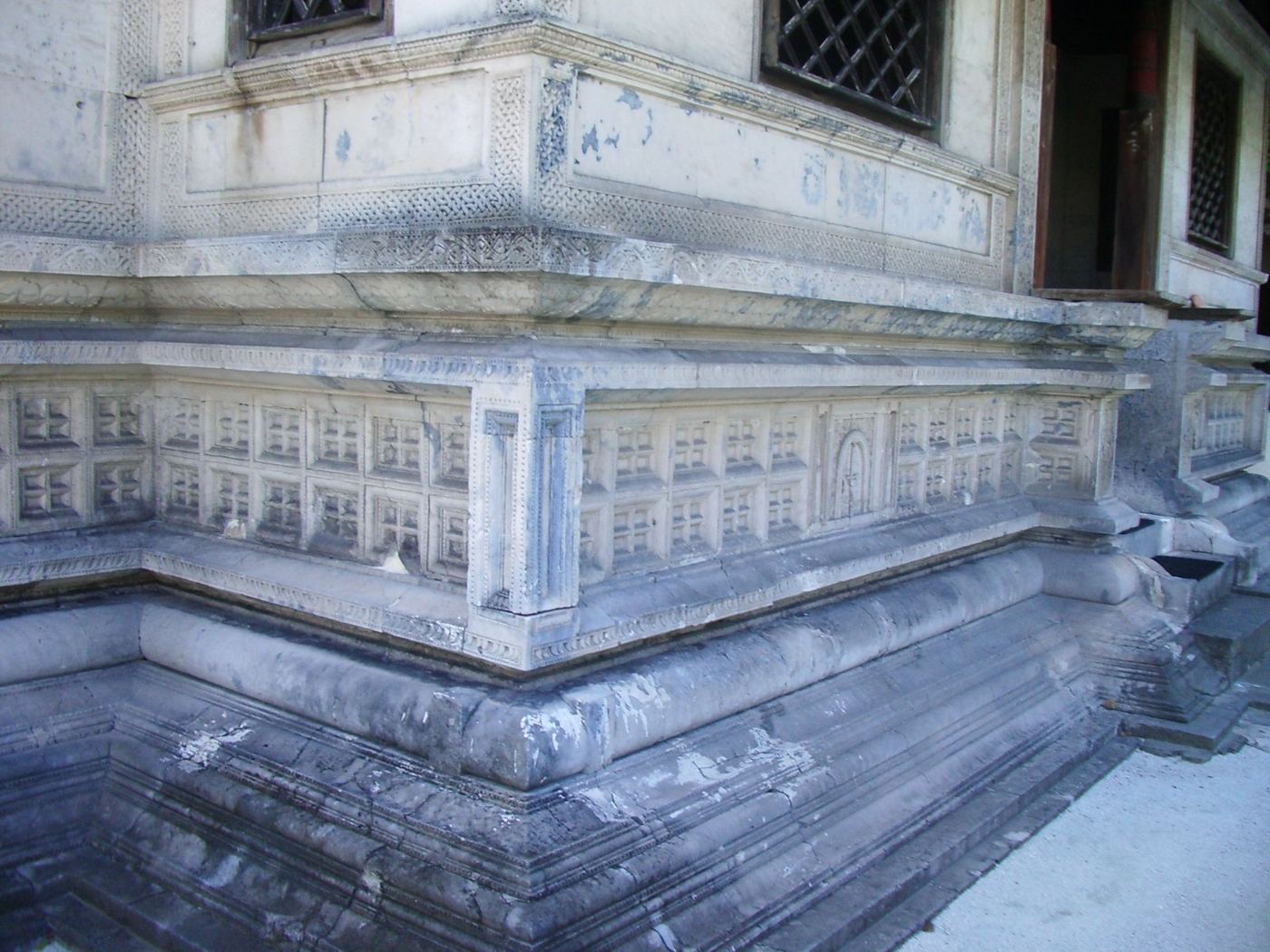
Lacking granite or marble, Maldivian builders turned to the reef. Porite coral, cut while comparatively soft and hardening in air, was shaped into precisely interlocking blocks and carved with intricate decoration. The technique produced a school of coral-stone mosques regarded among the most refined coral architecture in the world; a group of these mosques has been submitted to UNESCO's World Heritage tentative list.
The Old Friday Mosque (Hukuru Miskiy)
The masterpiece of the tradition is Malé's Old Friday Mosque, Hukuru Miskiy, built in 1658 during the reign of Sultan Ibrahim Iskandar. Its coral walls carry superb carved ornament and Arabic calligraphy, while the interior preserves lacquered woodwork and fine joinery. In the surrounding cemetery stand carved coral tombstones of sultans and notables, and beside the mosque rises a distinctive round minaret dating from 1675, from which the call to prayer once sounded across the old town.
Other historic mosques
Coral-stone mosques survive across the atolls — on islands such as Meedhoo in the south and Ihavandhoo in the north among others — many still in daily use after centuries. Their modest size reflects their origins in small island congregations; their craftsmanship reflects how central the mosque was to community pride.
The Islamic Centre and Grand Friday Mosque
Modern Malé's defining landmark is the Islamic Centre, opened in 1984, whose Grand Friday Mosque is the largest in the country, accommodating thousands of worshippers. Its shining golden dome and white minaret are visible from the sea and appear in nearly every photograph of the capital. The centre also houses a library and hall, serving as the national focus of religious life.
Mosques on every island
Every inhabited island maintains at least one mosque, often several, typically the best-kept building in the community. The mosque anchors the day's five prayers and the week's Friday congregation, and islanders take visible pride in their upkeep.
Visiting etiquette
Non-Muslim visitors do not generally enter working mosques, though arrangements exist at certain times for visits to notable sites; exterior viewing is always possible with respectful dress and behaviour. The Old Friday Mosque and Islamic Centre are essential stops on any Malé walking tour.
FAQ
What is the oldest famous mosque in the Maldives?
Malé's Old Friday Mosque (Hukuru Miskiy), built of carved coral stone in 1658, with its minaret added in 1675.
What are Maldivian mosques made of?
Historic mosques were built of carved porite coral stone; modern mosques use contemporary materials, crowned by the Islamic Centre's golden dome.
Can tourists visit mosques in the Maldives?
Exteriors can be admired freely with respectful dress; interior visits by non-Muslims are limited and arranged at specific sites and times.