Getting to the Maldives: Flights, Routes and Arrival Basics
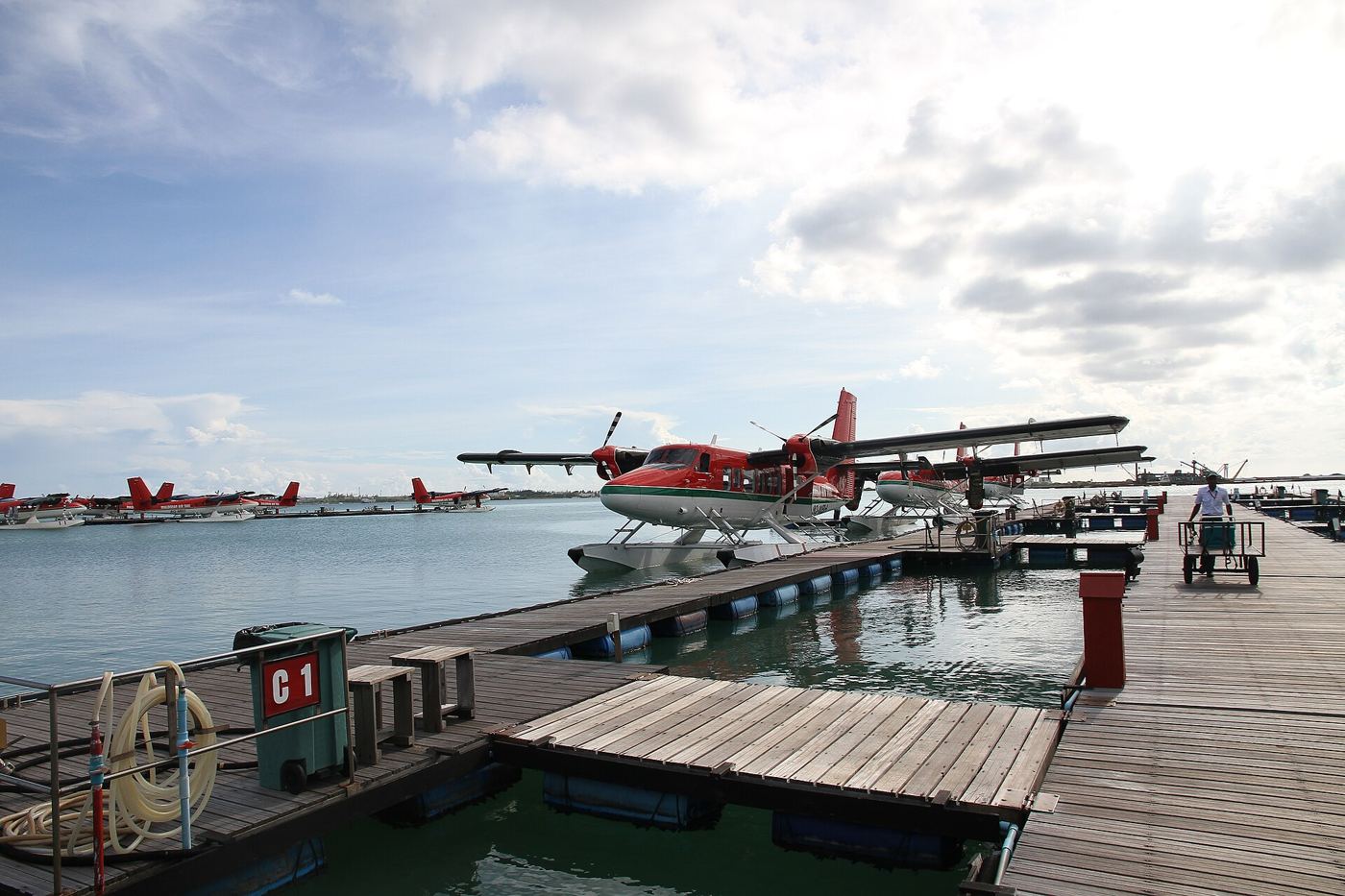
For an island nation scattered across the Indian Ocean, the Maldives is surprisingly well connected. Nearly all international visitors arrive by air at Velana International Airport, which sits on Hulhule Island right next to the capital, Male. From there, a second, shorter journey by speedboat, seaplane or domestic flight carries you to your island.
The main gateway: Velana International Airport
Velana International Airport, airport code MLE, is the country's principal international gateway. It occupies its own island in North Male Atoll, connected to the capital and the airport city of Hulhumale by bridge and by regular ferries. The airport handles wide-body long-haul services, regional flights from South Asia and the Gulf, and a busy domestic network.
Common routes and transit hubs
Direct services operate seasonally and year round from a range of cities in Europe, Asia and the Middle East. Many travellers, however, connect through major hubs. The most common transit points include the Gulf hubs of Dubai, Doha and Abu Dhabi, the Asian hubs of Singapore, Kuala Lumpur and Colombo, and Indian cities such as Bengaluru, Mumbai and Kochi, which offer short hops across the Arabian Sea.
From Australia, the typical journey involves one stop, most often in Singapore or Kuala Lumpur. From the UK and Europe, both direct and one-stop options are common. Flight availability changes by season, so it pays to compare routings rather than assume one fixed path.
Arriving and clearing immigration
Tourists of all nationalities receive a free visa on arrival for short stays, subject to holding a valid passport, onward or return travel, and confirmed accommodation details. Many travellers are asked to complete an electronic traveller declaration around the time of travel. Requirements can change, so check current official guidance before travelling.
The second leg: reaching your island
Unless you are staying in Male or Hulhumale, landing at Velana is not the end of the journey. Your island transfer will be one of three things:
- Speedboat: used for islands within roughly an hour or so of the airport, especially in North and South Male Atolls.
- Seaplane: used for resorts further out, flying by day only, with spectacular views over the atolls.
- Domestic flight plus boat: for distant atolls, a domestic aircraft flies to a regional airport, followed by a short boat ride.
Resorts and guesthouses arrange transfers in advance, which is why airlines and accommodation providers ask for your details before you fly. Seaplanes stop flying around sunset, so late evening arrivals often require an overnight stay near the airport before completing the journey the next morning.
Practical arrival tips
- Book your accommodation before you fly, as proof of where you are staying is part of the entry process.
- If your resort requires a seaplane, check whether your arrival time allows a same-day connection.
- Luggage allowances on seaplanes and domestic flights are typically lower than on international airlines, and excess weight may be charged or carried on a later flight.
FAQ
Which airport do you fly into for the Maldives?
Velana International Airport, code MLE, on Hulhule Island next to Male. It is the country's main international gateway, though a small number of international services also use Gan in the far south.
Do I need to book island transfers separately?
Transfers are almost always arranged through your resort or guesthouse rather than booked independently, because boats and seaplanes are scheduled around guest arrivals. Confirm the transfer when you book your stay.
Can you reach a resort at night?
Speedboat transfers can operate after dark for nearby islands, but seaplanes fly only in daylight. Guests arriving late for a seaplane resort usually overnight near the airport and fly out the following morning.