Fuvahmulah: The Maldives' One-Island Atoll
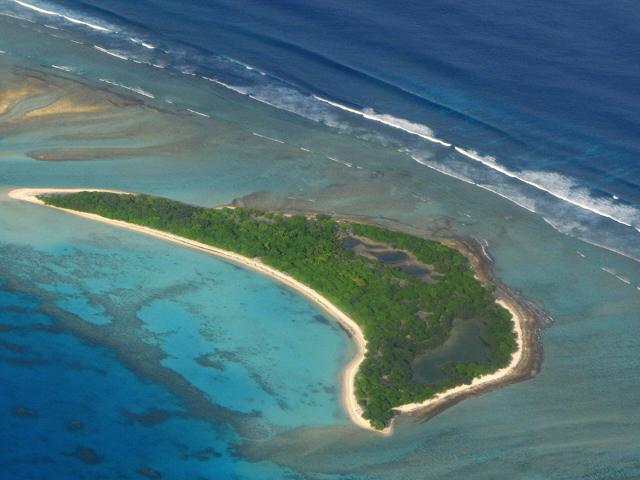
Fuvahmulah, in the far south of the Maldives, breaks nearly every rule of the archipelago. It is an atoll consisting of a single island with no lagoon and no neighbours, rising alone from deep ocean in the wide channel between Huvadhoo Atoll and Addu. Administratively it forms its own division, Gnaviyani, and its isolation has produced a distinct dialect, ecology and way of life.
An island unlike the others
Most Maldivian islands are small slivers of coral sand. Fuvahmulah is comparatively large and fertile, with an interior that holds two freshwater lakes — Bandaara Kilhi and Dhadimagi Kilhi — plus wetlands and rich dark soil. Islanders grow taro, mangoes, pineapples and other produce that struggle elsewhere in the country, and the island is famous within the Maldives for its agriculture and for fruits associated with it.
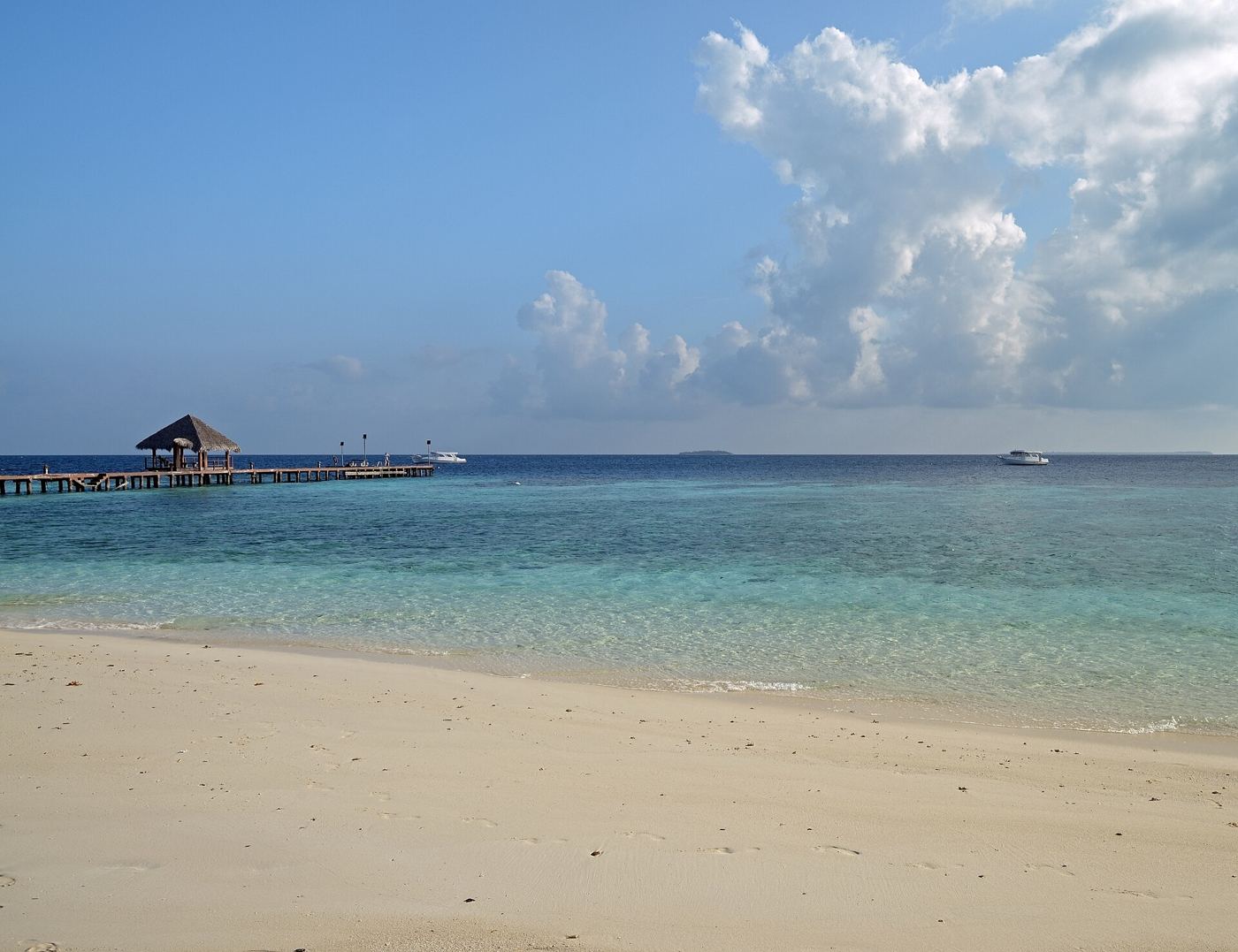
Without a sheltering lagoon, the island meets the open ocean directly. Its beaches include unusual banks of smooth pebbles, and the shoreline shifts dramatically with the monsoons. For centuries this exposure made landing boats hazardous; a small harbour, built in recent decades, changed the island's connectivity.
Tiger shark capital
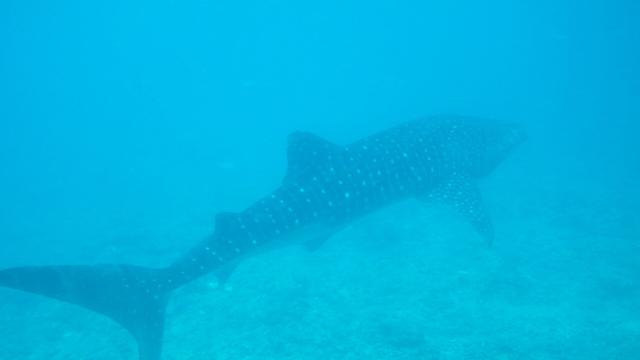
Among divers, Fuvahmulah has acquired a singular reputation: reliable, close encounters with tiger sharks along the harbour area and plateau, which has been promoted as a protected zone. The surrounding deep water also brings pelagic wanderers such as oceanic sunfish, thresher sharks and hammerheads seasonally, drawing experienced divers to an island that only recently entered mainstream tourism itineraries.
Culture and history
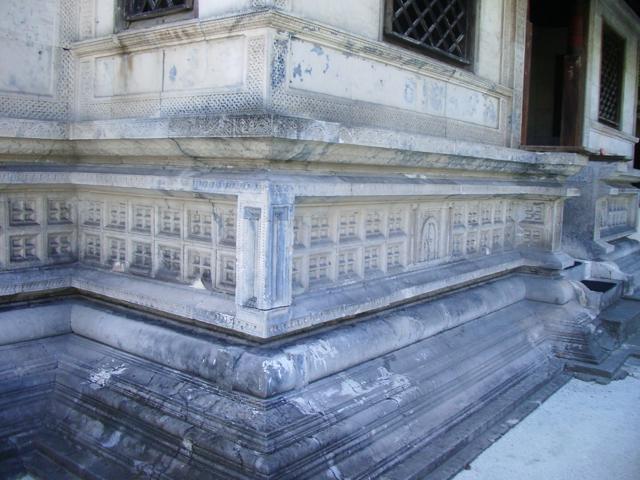
Fuvahmulah's isolation preserved distinctive traditions and its own variant of Dhivehi, noticeably different from standard Malé speech. Archaeological remains, including the Buddhist-era mound known locally as havitta, testify to settlement long before the Maldives adopted Islam in 1153 CE.
Visiting Fuvahmulah
- Access is by domestic flight to the island's airport, or by ferry connections through the southern atolls
- Guesthouses and small hotels, rather than resorts, host visitors
- Diving, wetland walks, and touring the lakes and taro fields are the principal activities
- As on all inhabited islands, modest dress applies away from designated beach areas and the island is alcohol-free
FAQ
Why is Fuvahmulah called a one-island atoll?
Because the island is the entire atoll: a single landmass on its own reef platform with no lagoon or sister islands.
What is Fuvahmulah famous for underwater?
Year-round tiger shark encounters, plus seasonal pelagics such as thresher sharks, hammerheads and oceanic sunfish.
Does Fuvahmulah have freshwater lakes?
Yes. Bandaara Kilhi and Dhadimagi Kilhi are freshwater lakes ringed by wetlands, a rarity in the Maldives.