Bodu Beru: The Big Drums of the Maldives
Ask a Maldivian to name the sound of their islands and the answer will almost certainly be bodu beru — literally big drum. This drumming, song and dance tradition is the country's signature performing art, heard at weddings, national celebrations, island festivals and resort culture nights alike.
What bodu beru is
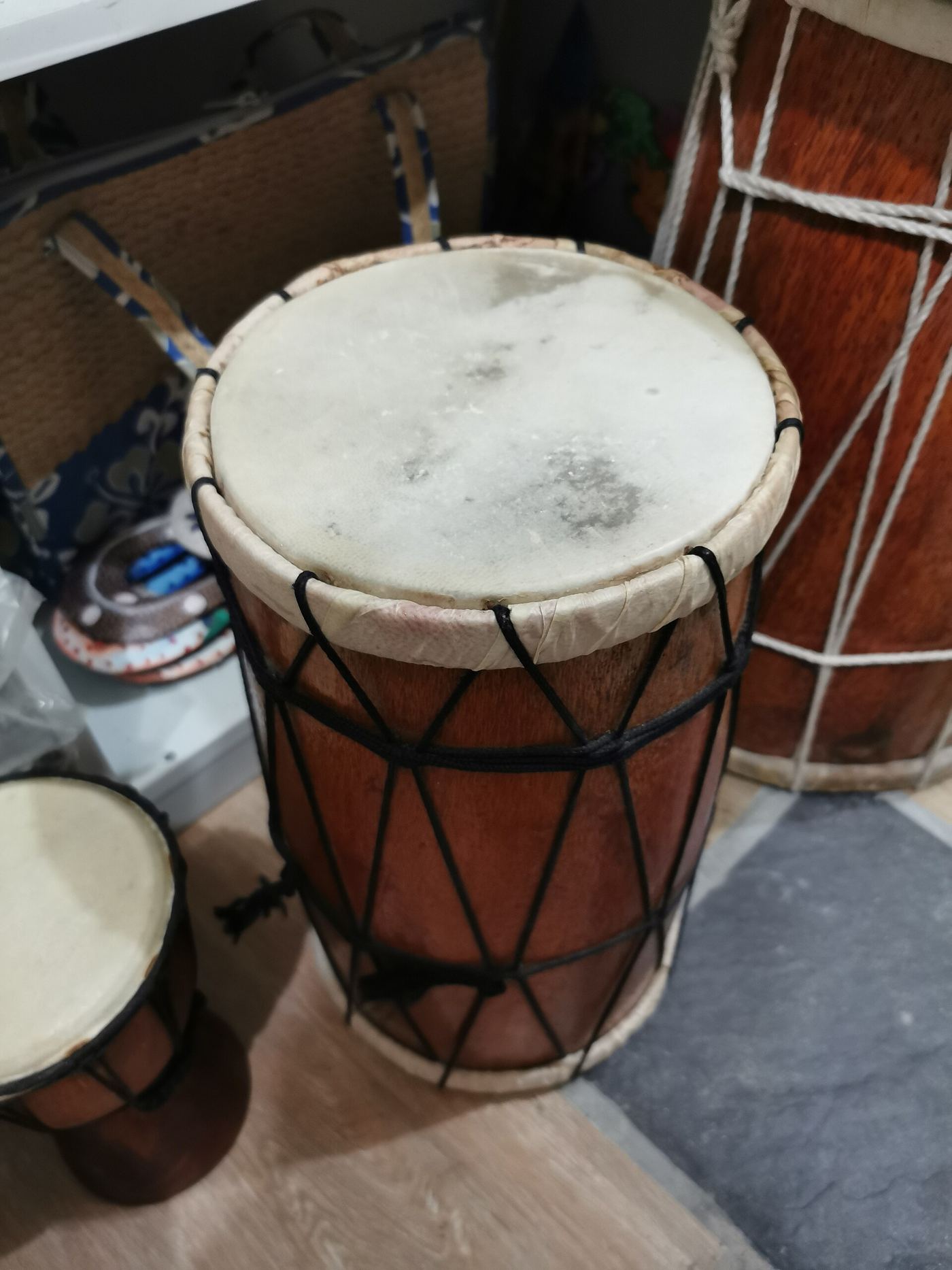
A bodu beru ensemble typically features several drummers playing double-headed cylindrical drums, traditionally made from hollowed coconut timber with drumheads of animal hide or, historically, ray skin. Drummers are joined by a lead singer and a chorus who clap, sway and answer the verses. An onlooking crowd is never passive for long.
How a performance unfolds
Performances follow a distinctive arc. They begin with a slow, almost meditative rhythm and gentle song. Verse by verse the tempo climbs, the drumming intensifies, and dancers step into the circle, moving with increasingly free and energetic abandon until the piece reaches a driving, ecstatic climax. This slow-burn build is the essence of the form and what makes live bodu beru so infectious.
Echoes of Africa
Scholars and Maldivians alike generally trace bodu beru's roots to East African influence, arriving centuries ago via Indian Ocean trade and settlement. Its call-and-response singing and polyrhythmic drumming resemble East African musical traditions, woven over generations into something distinctly Maldivian. In this way the music is a living record of the ocean crossings that shaped the nation.
Songs and themes
Lyrics range from old songs whose meanings have blurred with time to verses about love, the sea, island life and celebration. New compositions continue to be written, and contemporary Maldivian bands fuse bodu beru rhythms with modern instruments, keeping the tradition current for younger audiences.
Where visitors can experience it
Most resorts stage regular bodu beru evenings, often inviting guests to join the dancing — participation is very much part of the culture. On local islands, performances mark Eid festivities, weddings and national days such as Independence Day. Seeing bodu beru on a local island, surrounded by the whole community, is among the most memorable cultural experiences the Maldives offers.
A tradition with official pride
Bodu beru is celebrated as national heritage, performed at state functions and taught to new generations through school and community groups. Like the dhoni and the coral-stone mosque, the big drum stands as a symbol of Maldivian identity.
FAQ
What does bodu beru mean?
It is Dhivehi for big drum, naming both the instrument and the drumming-and-dance tradition built around it.
Where did bodu beru come from?
Its roots are generally traced to East African musical influence carried across the Indian Ocean centuries ago, later evolving into a distinctly Maldivian art.
Can tourists watch bodu beru?
Yes — resorts regularly host performances, and local island festivals feature it, especially during Eid and national celebrations.