The Buddhist Era of the Maldives
Most visitors associate the Maldives exclusively with Islam, which has been the state religion since 1153 CE. Yet for more than a thousand years before that date, the archipelago was Buddhist. This long era shaped the language, place names and early culture of the islands, and its physical traces can still be found today.
How Buddhism reached the islands
Buddhism is believed to have arrived from the Indian subcontinent and Sri Lanka, carried along the same maritime routes that brought the first settlers. The Maldives' closest linguistic relative is Sinhala, the majority language of Sri Lanka, and the two societies shared religious currents for centuries. Over time the islands developed their own monastic communities and religious architecture adapted to coral island conditions.
The havitta mounds
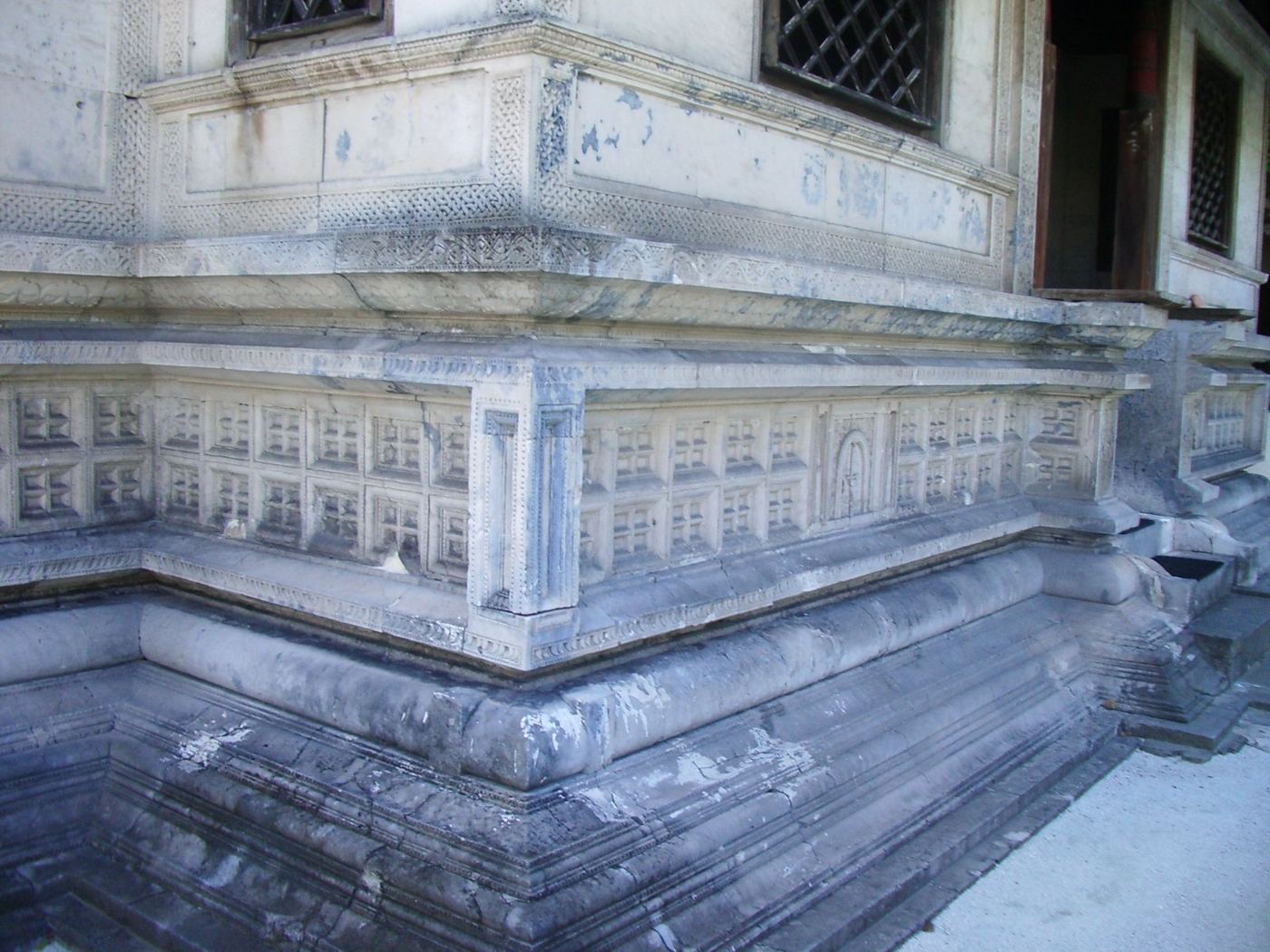
The most visible remains of the Buddhist period are overgrown mounds known in Dhivehi as havitta, generally understood to be the remnants of stupas — dome-shaped Buddhist monuments. Such mounds have been recorded on islands across the archipelago, including in the far southern atolls. Excavations over the years have uncovered coral-stone carvings, small stupas, and figures associated with Buddhist worship.
Written evidence
Some of the most important evidence comes from the lōmāfānu — copper-plate grant documents written in the centuries immediately after the conversion to Islam. The earliest of these, associated with the island of Isdhoo, look back on the transition and record instructions relating to the old monasteries. They are among the oldest surviving Maldivian documents and a key source for historians of the period.
Daily life in the Buddhist centuries
Beyond religion, the era established patterns of life that long outlasted it. Communities lived by fishing and coconut cultivation, traded cowrie shells with passing merchants, and organised themselves island by island — a social structure that remained recognisable well into the modern age. The Dhivehi language itself evolved during this period from its Prakrit roots, absorbing religious vocabulary that survives in altered forms today.
The end of the era
The Buddhist era closed in 1153 CE when the reigning king converted to Islam and the population followed. Monasteries fell out of use, and over the centuries many structures were dismantled or reclaimed by vegetation. What remained passed into folklore; for generations, islanders regarded the old mounds with a mixture of curiosity and caution.
Rediscovery and study
Serious archaeological interest began in the modern era, with surveys and excavations documenting sites across the atolls. Artefacts recovered from these digs are held in the National Museum in Malé, where visitors can see coral-stone Buddha fragments and other objects from pre-Islamic times — a rare window into the archipelago's first religious age.
FAQ
Was the Maldives really Buddhist before Islam?
Yes. Historical and archaeological evidence shows the Maldives was Buddhist for over a millennium before the conversion to Islam in 1153 CE.
What is a havitta?
Havitta is the Dhivehi term for the mound-like remains of Buddhist stupas found on various Maldivian islands.
Where can I see artefacts from the Buddhist period?
The National Museum in Malé displays coral-stone carvings and other objects recovered from pre-Islamic archaeological sites.