The British Protectorate and Maldivian Independence
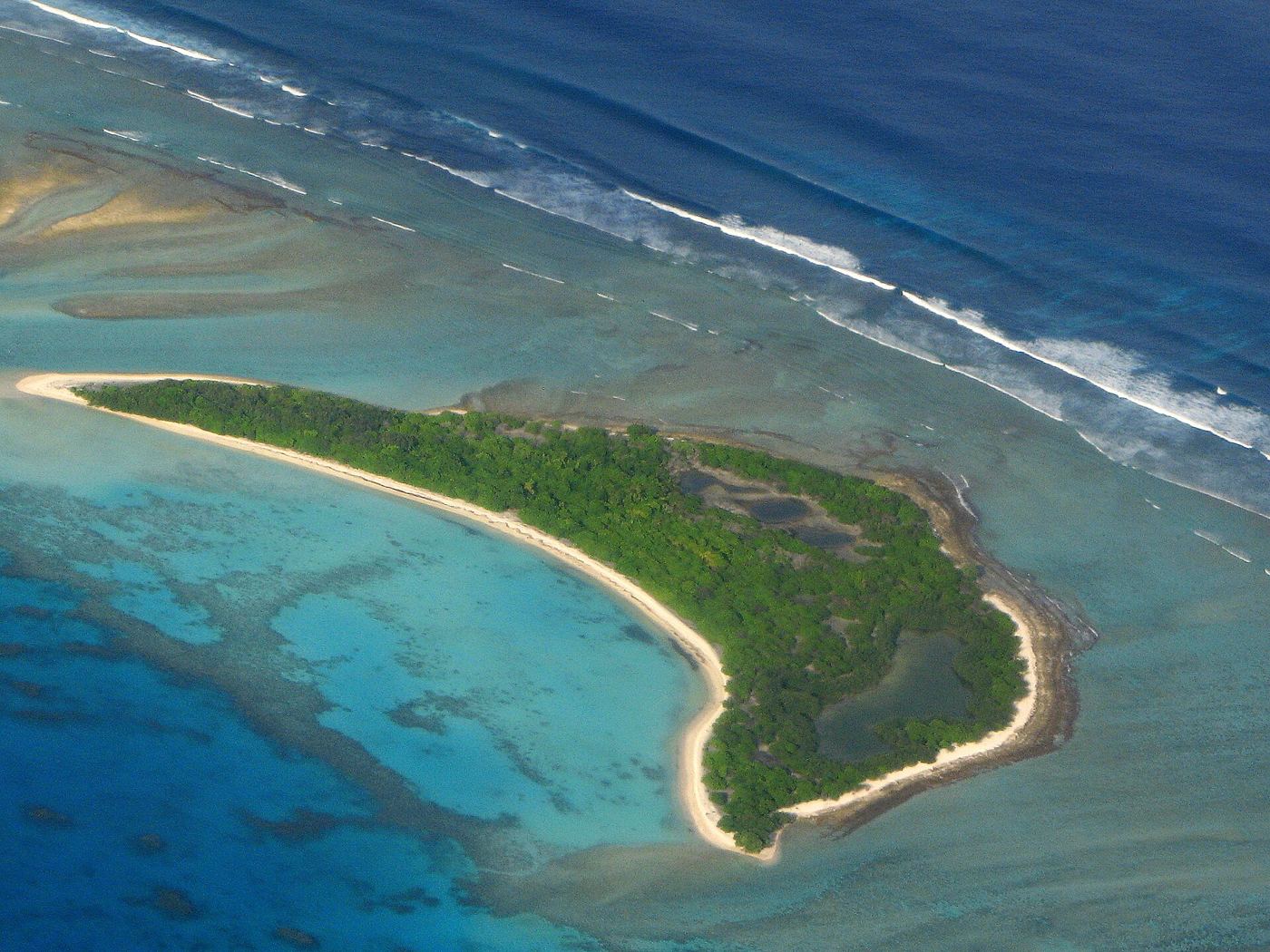
Unlike most of South Asia, the Maldives was never a colony. From 1887 to 1965 it was a British protected state: a sovereign sultanate that entrusted its defence and foreign relations to Britain while continuing to run its own internal affairs. Understanding this arrangement explains much about the country's distinct path to modern statehood.
The 1887 agreement
In 1887 the Sultan of the Maldives and the British Governor of Ceylon concluded an agreement making the islands a British protectorate. Britain undertook to protect the Maldives from external threats and to represent it abroad; in return the Maldives accepted British oversight of its foreign relations. No British administration was installed in Malé, and daily governance, law and custom remained entirely Maldivian.
Life under the protectorate
For decades the arrangement touched ordinary islanders lightly. The sultanate carried on, and the twentieth century brought internal reform driven by Maldivians themselves, including the country's first written constitution in 1932, which placed formal limits on royal power. In 1953 the Maldives briefly experimented with a republic under Mohamed Amin Didi before restoring the sultanate within the year.
The Second World War and Gan
The islands' strategic position in the central Indian Ocean drew military attention during the Second World War, and afterwards Britain developed an air base on Gan in Addu Atoll, the southernmost atoll. The base agreement became a point of friction in Maldivian politics, and during the late 1950s the three southernmost atolls briefly declared a breakaway state, the United Suvadive Republic, before the secession ended in the early 1960s.
The road to independence
As decolonisation swept the region, Maldivian leaders pressed for full sovereignty. Negotiations led by Prime Minister Ibrahim Nasir concluded with an agreement signed in Colombo, and on 26 July 1965 the Maldives became fully independent, assuming responsibility for its own foreign affairs. The country joined the United Nations shortly afterwards.
After independence
Independence set the stage for rapid change. In 1968 a national referendum replaced the sultanate with a republic, and Ibrahim Nasir became president. The British base at Gan closed in 1976, ending the last British military presence. Within a few years the first resorts had opened and the Maldives began its transformation into one of the world's most famous travel destinations.
Independence Day today
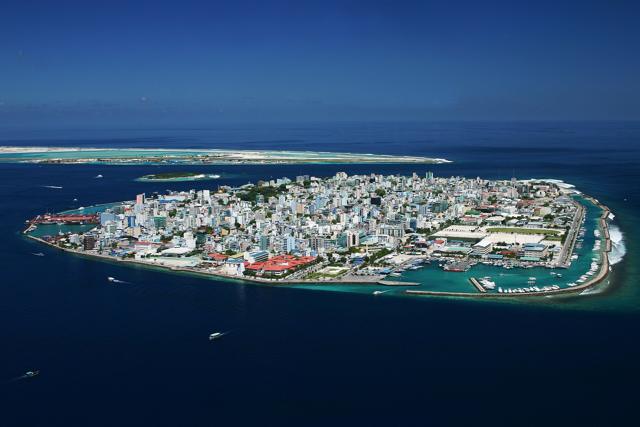
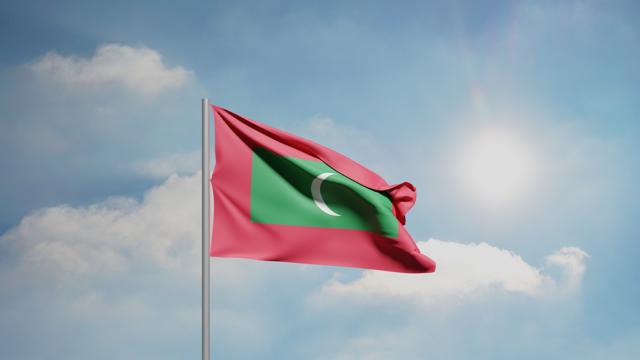
26 July is the Maldives' national Independence Day, marked with parades and official ceremonies in Malé. Together with Republic Day on 11 November, it frames the story of a small nation that navigated the imperial age with its identity, faith and self-government intact.
FAQ
Was the Maldives a British colony?
No. It was a protected state from 1887 to 1965 — internally self-governing, with Britain responsible only for defence and foreign affairs.
When is Maldivian Independence Day?
26 July, commemorating full independence achieved on that date in 1965.
What was the British base in the Maldives?
An air base on Gan island in Addu Atoll, used by Britain until its closure in 1976.