The Atolls of the Maldives Explained: 26 Natural Atolls, 20 Administrative Regions
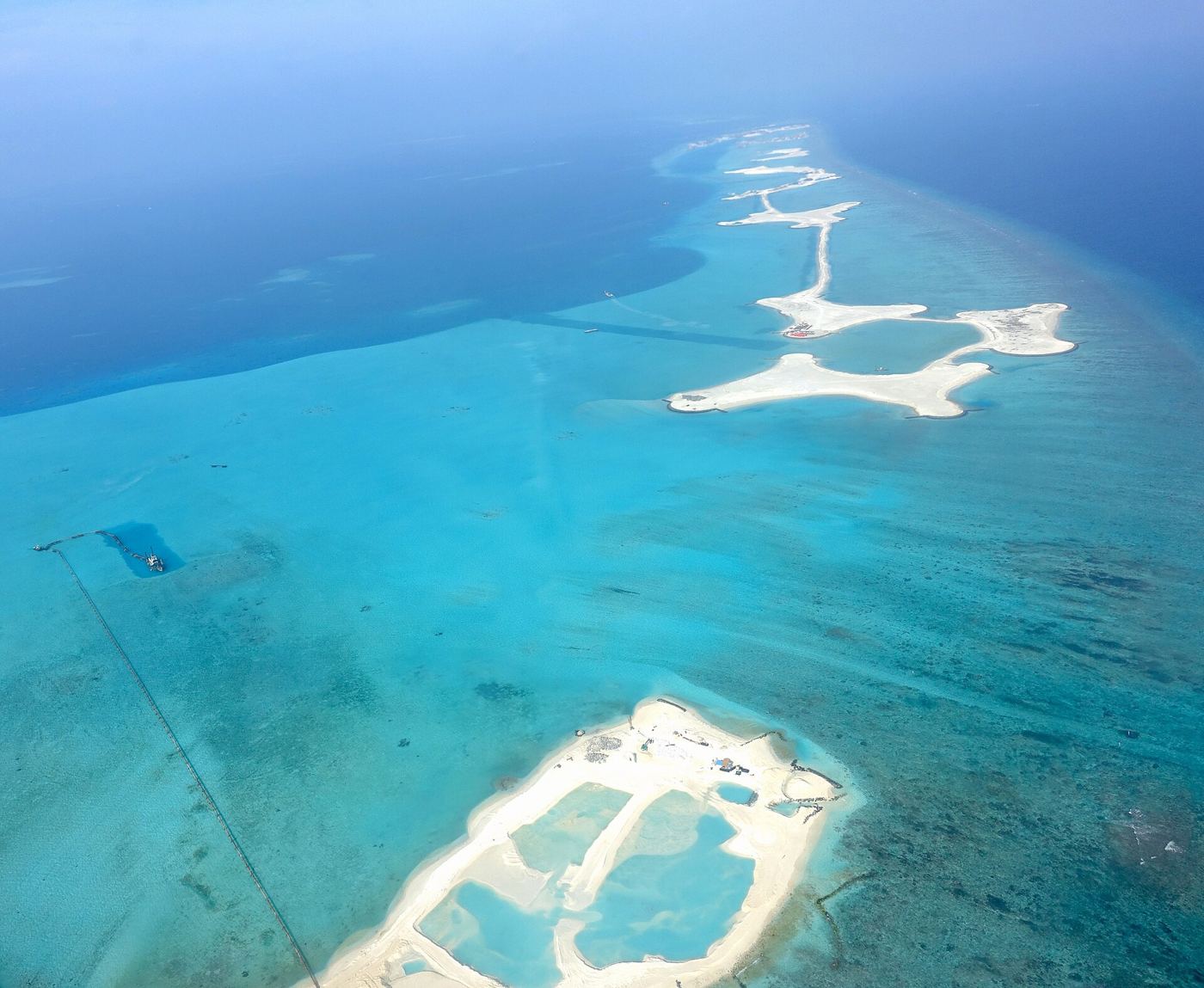
The Maldives is an archipelago of roughly 1,190 coral islands scattered across the Indian Ocean, and every one of them belongs to an atoll — a ring-shaped chain of reefs and islands enclosing a central lagoon. The English word atoll is borrowed, via early naturalists, from the Dhivehi word atholhu, making it one of the very few English words with Maldivian origins.
Natural atolls versus administrative atolls
Geographically, the Maldives consists of 26 natural atolls arranged in a double chain running roughly north to south for about 870 kilometres. For governance, however, the country is divided into around 20 administrative atolls, each identified by a letter of the Thaana alphabet, such as Kaafu, Baa, Ari (Alifu) and Seenu. Administrative boundaries do not always match the natural reef structures: some large natural atolls are split between divisions, and some divisions combine smaller atolls.
Notable atolls for visitors
North and South Malé Atoll (Kaafu)
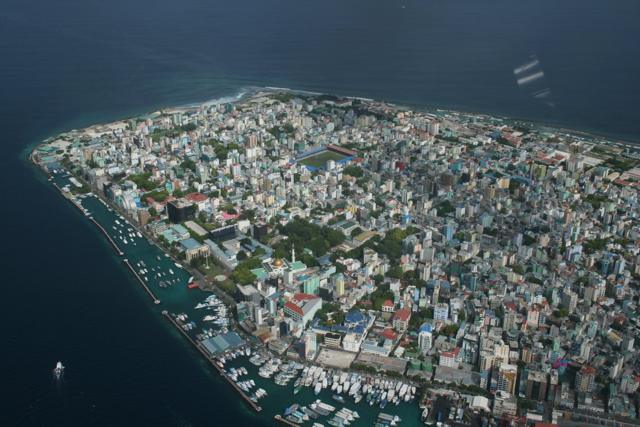
Home to the capital Malé, the international airport and the first resorts ever opened in the country, Kaafu remains the most accessible region. Many resorts here are reached by speedboat rather than seaplane.
Ari Atoll (Alifu)
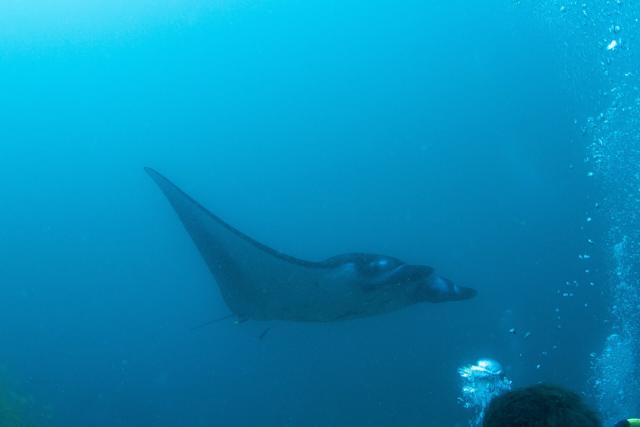
One of the largest natural atolls, west of the central chain, famous for channels and outer reefs frequented by whale sharks and manta rays.
Baa Atoll
Declared a UNESCO Biosphere Reserve in 2011, Baa Atoll contains Hanifaru Bay, renowned for seasonal gatherings of manta rays.
Addu (Seenu)
The southernmost atoll, lying just below the equator, with a distinct dialect, a linked chain of islands and a history that includes a twentieth-century British air base on Gan.
How the atolls shape travel
Distances between atolls are significant, and transport defines the visitor experience. Resorts near Malé use speedboats; more remote atolls rely on scheduled domestic flights and seaplane transfers. Seaplanes operate only in daylight, which is why long-haul arrivals sometimes require an overnight stay near the airport.
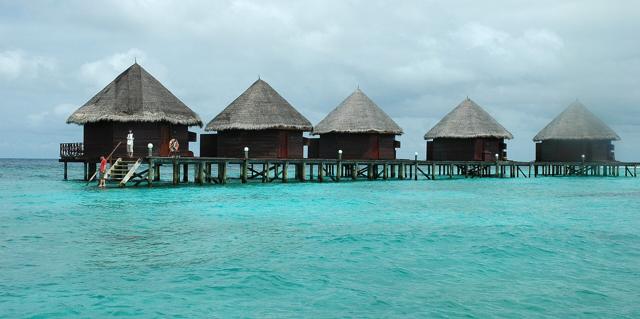
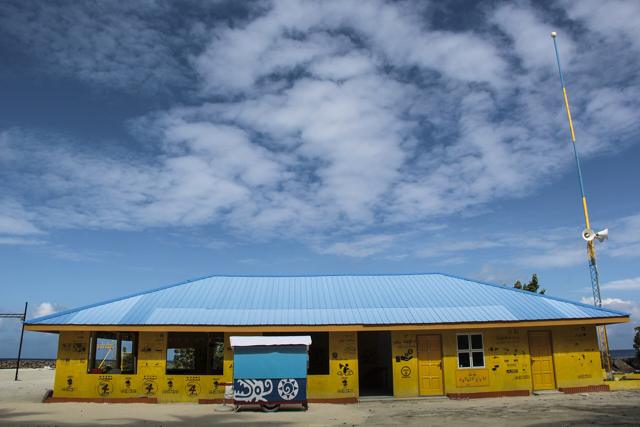
Each atoll also has inhabited local islands with guesthouses, schools and harbours, alongside uninhabited islands and islands leased for resorts. The one-island-one-resort model means a resort typically occupies its entire island.
A landscape built by coral
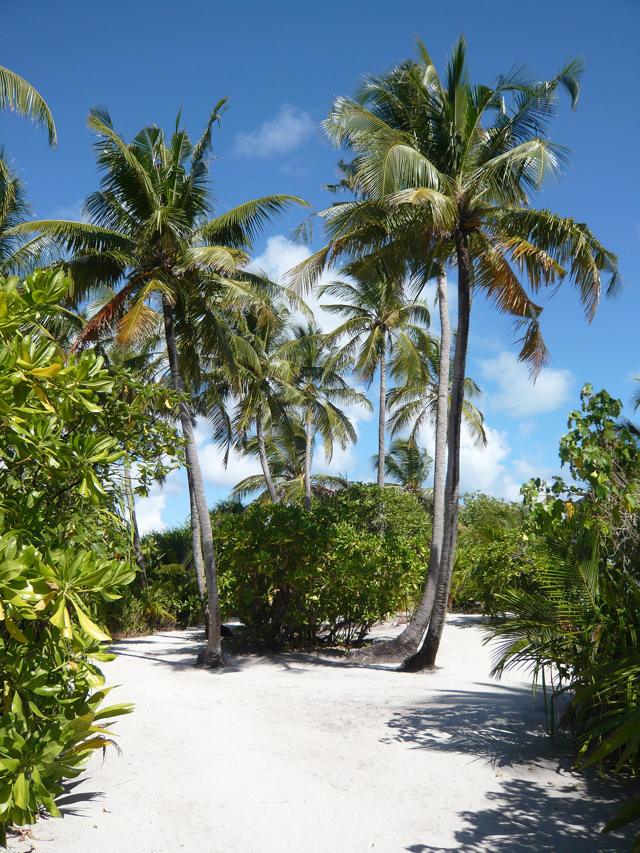
Everything above water in the Maldives was built by coral organisms over millennia, resting on ancient volcanic foundations that have long since subsided beneath the sea. The country's average ground level is roughly 1.5 metres above sea level and its natural high point only around 2.4 metres — the lowest of any country — which is why reef health and climate change are existential topics here.
FAQ
How many atolls does the Maldives have?
There are 26 natural atolls, organised into about 20 administrative divisions plus the capital region.
What does the word atoll mean?
It derives from the Dhivehi word atholhu, and describes a ring of coral reef and islands surrounding a lagoon.
Which atoll should first-time visitors choose?
North and South Malé Atoll offer the shortest transfers, Ari and Baa are famous for big marine life, and remote atolls suit divers and travellers seeking isolation.