Baa Atoll: The Maldives' UNESCO Biosphere Reserve
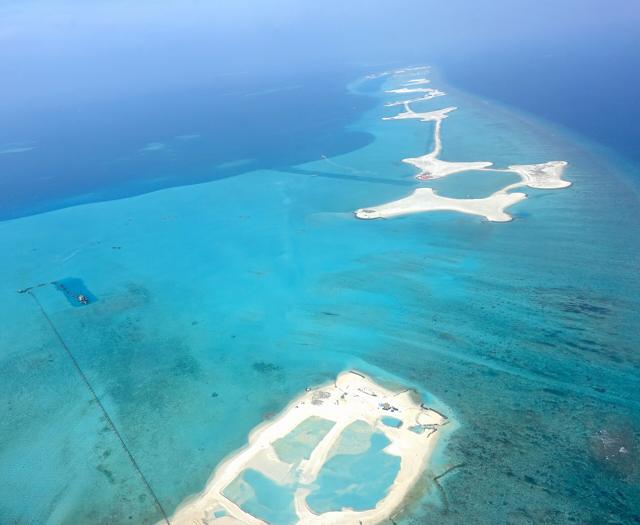
Baa Atoll sits on the western side of the Maldives' double chain of atolls, north of Malé. It comprises dozens of islands — a handful inhabited, many uninhabited, and several developed as resorts — surrounded by reef systems of exceptional richness. In 2011, UNESCO designated the entire atoll a Biosphere Reserve, the first such designation in the Maldives.
Why UNESCO recognised Baa Atoll
Biosphere Reserves are landscapes where conservation and sustainable human use are meant to coexist. Baa Atoll earned the status because its reefs, channels and lagoons support an unusually high diversity of corals and reef species, and because it contains globally significant aggregation sites for manta rays and whale sharks. The reserve is zoned, with core protected areas where activities are restricted, buffer zones, and transition areas where fishing communities and tourism operate.
Hanifaru Bay: the crown jewel
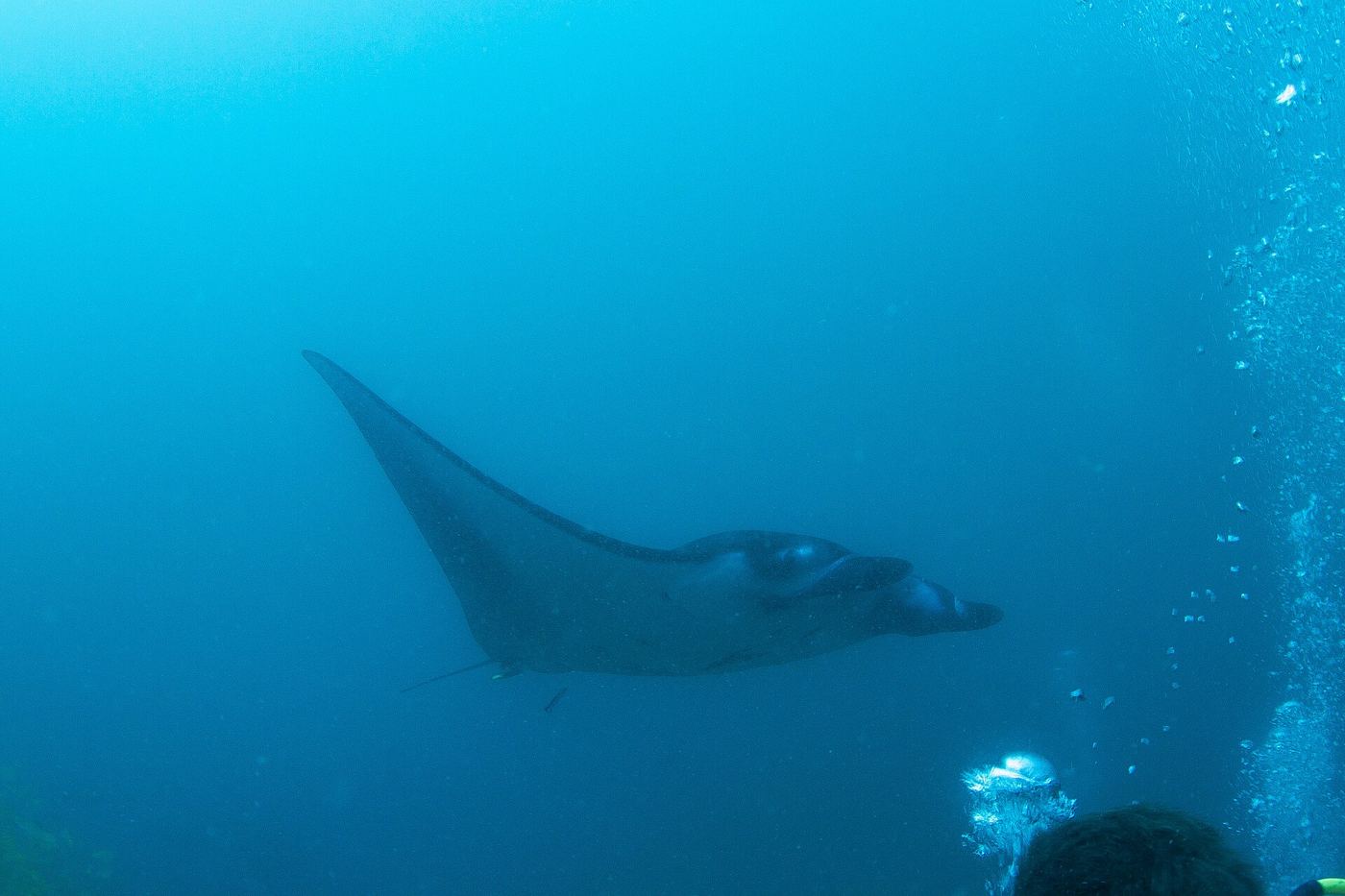
The atoll's most famous site is Hanifaru Bay, a small cul-de-sac lagoon on the eastern rim. During the south-west monsoon season, roughly from May or June to November, tides and currents funnel dense clouds of plankton into the bay. Manta rays follow the food, sometimes gathering in extraordinary numbers to feed, occasionally joined by whale sharks. The spectacle is considered one of the largest known manta feeding aggregations in the world.
Because of its sensitivity, Hanifaru Bay is a strictly managed core zone: visits are limited, snorkelling is permitted under ranger supervision, and scuba diving in the bay is not allowed.
Life on the atoll
Baa Atoll's inhabited islands, including the administrative capital Eydhafushi and islands such as Dharavandhoo and Thulhaadhoo, sustain long traditions of fishing and craftsmanship. Thulhaadhoo in particular is celebrated for lacquer work, a traditional Maldivian craft in which wooden vessels are turned and decorated with layered coloured lacquer.
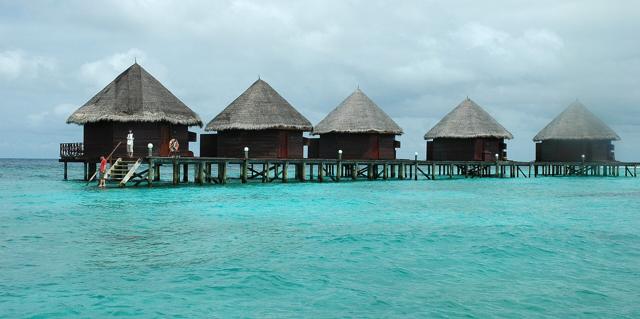
Tourism arrived later here than in the atolls closer to Malé, but the atoll now hosts several well-known resorts alongside guesthouses on local islands. Dharavandhoo has a domestic airport, putting the reserve within a short flight of the capital, and seaplanes also serve the atoll's resorts.
Visiting responsibly
- Choose operators who follow ranger instructions and manta encounter guidelines
- Keep distance from feeding mantas and avoid touching any marine life
- Wear reef-safe sun protection and avoid standing on coral
- Respect local island customs: modest dress away from designated tourist beaches
Baa Atoll demonstrates the model the Maldives hopes to extend nationwide: an economy powered by reefs that remain healthy enough to keep giving.
FAQ
When was Baa Atoll declared a Biosphere Reserve?
UNESCO designated Baa Atoll a Biosphere Reserve in 2011, the first in the Maldives.
When is manta season in Hanifaru Bay?
Manta aggregations occur during the south-west monsoon, generally between May or June and November, peaking around August to October.
Can you dive in Hanifaru Bay?
No. Hanifaru Bay is a protected core zone where only supervised snorkelling is permitted; scuba diving is prohibited inside the bay.