Sea Levels and the Future of the Maldives: The World's Lowest Country
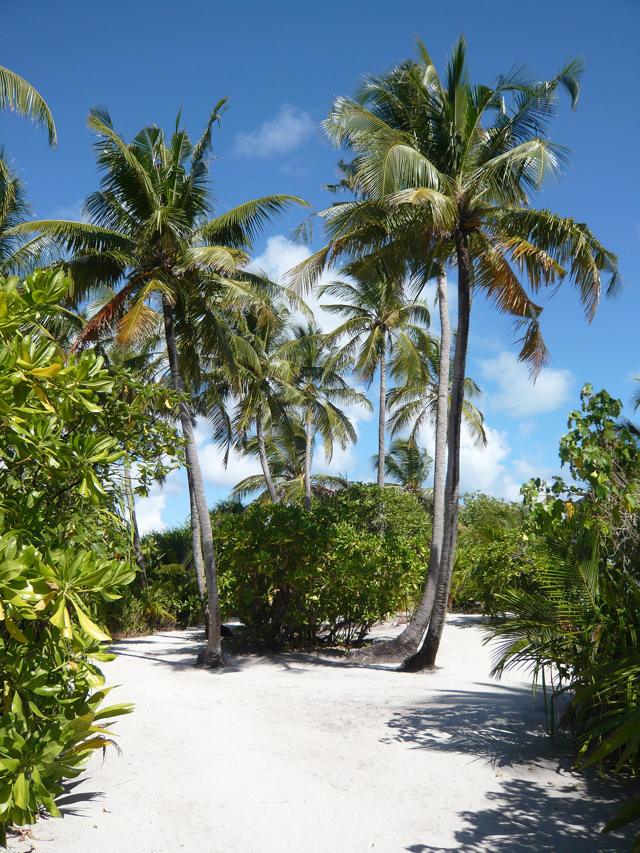
The Maldives holds a distinction no nation would choose: it is the lowest-lying country on Earth. Average ground level across the islands is only around 1.5 metres above the sea, the highest natural point is under three metres, and the vast majority of land sits below a single metre of elevation. For the Maldives, sea-level rise is not an abstract debate — it is the defining question of the century.
The nature of the challenge
Global sea levels are rising as oceans warm and land ice melts. For high-ground countries this reshapes coastlines; for the Maldives it puts the entire national territory in play. Long before islands could ever be submerged outright, rising seas make themselves felt through more frequent flooding during storm swells and high tides, erosion of shorelines, and salt intrusion into the thin freshwater lenses beneath islands that supply wells and sustain vegetation.
The Maldives has used its moral authority as a frontline state to press the world on climate action for decades — most theatrically in 2009, when the cabinet famously held a meeting underwater, ministers in scuba gear signing a declaration ahead of international climate negotiations.
Not a passive story
What outsiders often miss is that coral islands are not static landforms waiting to drown. Reef islands are dynamic — built and rebuilt by waves from coral sediment, shifting shape with seasons and storms. Research on reef islands has shown that many change and migrate rather than simply eroding away, and a healthy reef that keeps producing sediment is an island's best natural ally. That is no guarantee against faster rise — but it means the reef's health and the islands' future are one and the same issue.
How the Maldives is adapting
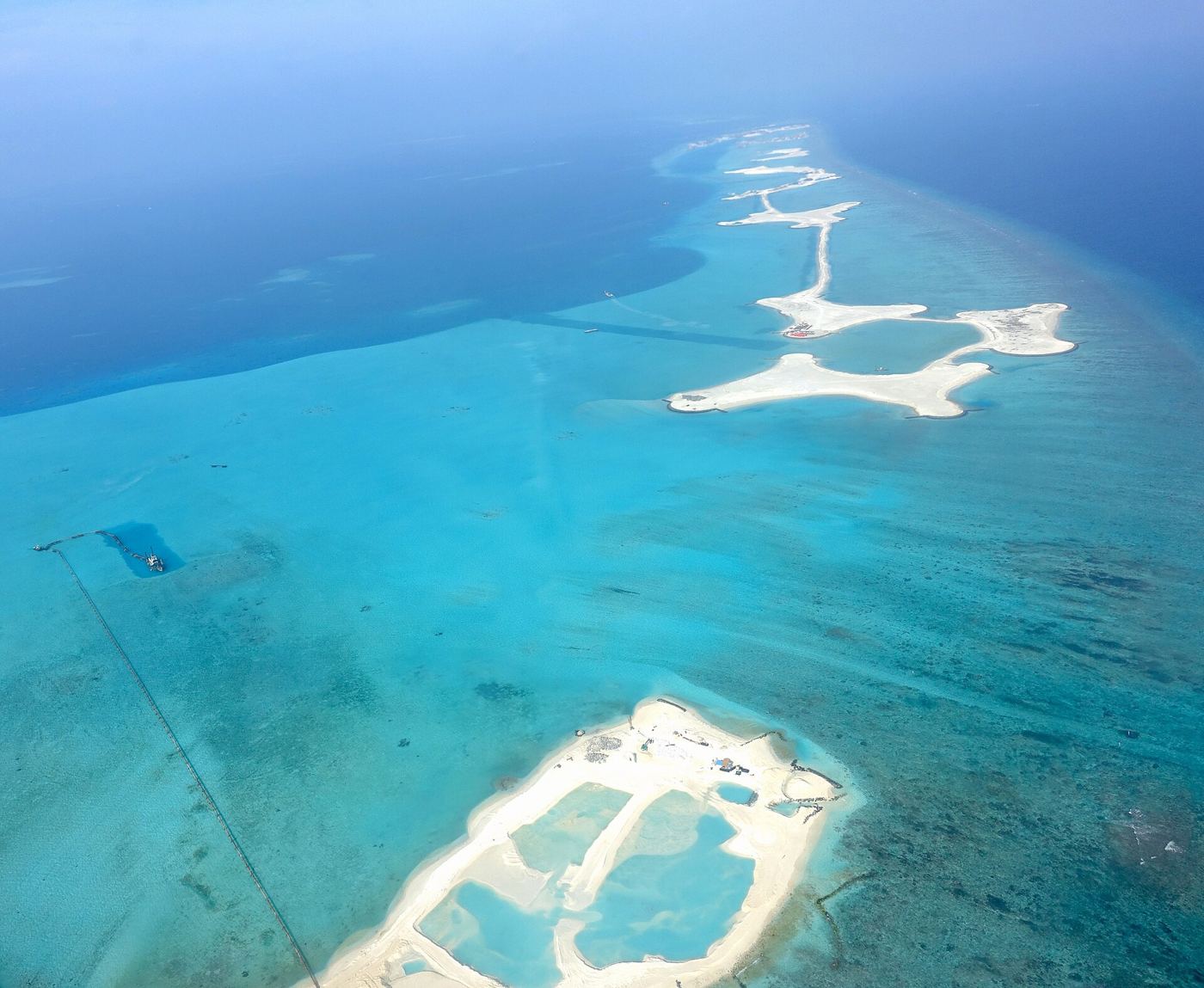
- Hulhumalé: the flagship response — a large artificial island near Malé, reclaimed to roughly two metres above sea level, deliberately higher than natural islands, and planned as a home for a substantial share of the population
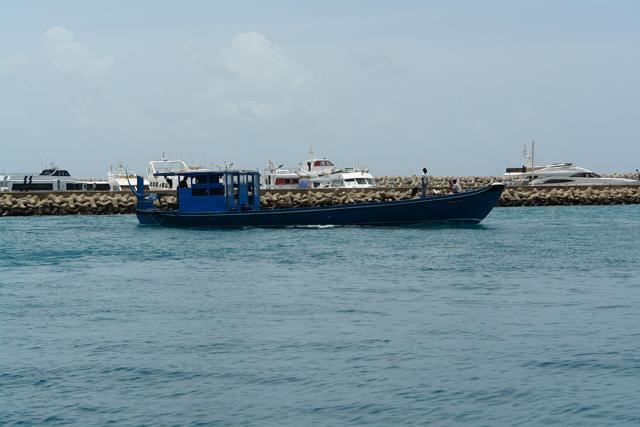
- Sea defences: Malé itself is ringed by breakwaters and sea walls, famously reinforced after severe flooding events, and many islands have added coastal protection
- Reclamation and raising: harbours, airports and new land across the country are engineered above natural island height
- Water security: rainwater harvesting and desalination reduce dependence on vulnerable groundwater
- Reef conservation: protecting the living systems that generate and hold the islands' sediment
A future still being written
Serious uncertainties remain — the pace of global emissions chief among them, entirely outside Maldivian control. What the country controls, it is acting on: higher ground, stronger defences, protected reefs and a tourism economy that funds adaptation. The Maldives intends to be inhabited, and thriving, for a very long time — and travellers who visit responsibly are part of what makes that possible.
FAQ
How high is the Maldives above sea level?
Average ground level is around 1.5 metres above the sea — the lowest of any country — with the highest natural ground below three metres and more than 80% of land under one metre.
Is the Maldives sinking?
The islands are not sinking; the concern is global sea-level rise combined with flooding, erosion and freshwater salinisation. Reef islands are naturally dynamic, and healthy reefs help islands maintain themselves — one reason reef conservation is treated as national defence.
What is Hulhumalé?
A large artificial island near the capital, reclaimed to roughly two metres above sea level — higher than natural islands — and developed as a planned city to house a significant share of the Maldivian population.