Maldives Liveaboards Explained: Dive Safaris and Surf Charters
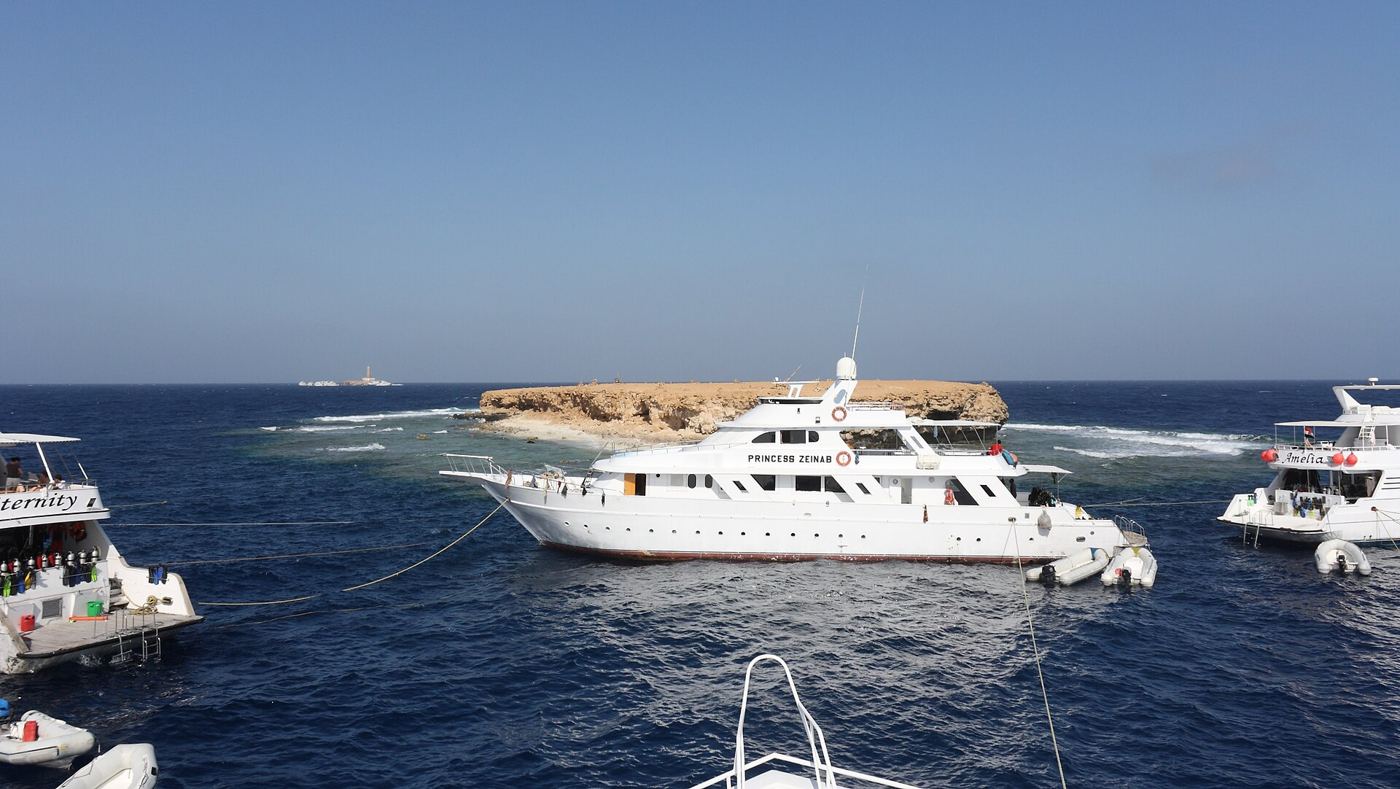
A liveaboard is a holiday where the boat is the hotel: guests sleep, eat and travel aboard a purpose-built vessel that cruises the atolls, stopping at dive sites, surf breaks, sandbanks and island anchorages that no single resort can reach in a day. In the Maldives, where the best marine action scatters across hundreds of kilometres, liveaboards are the connoisseur's way to see beneath the surface.
How the trips work
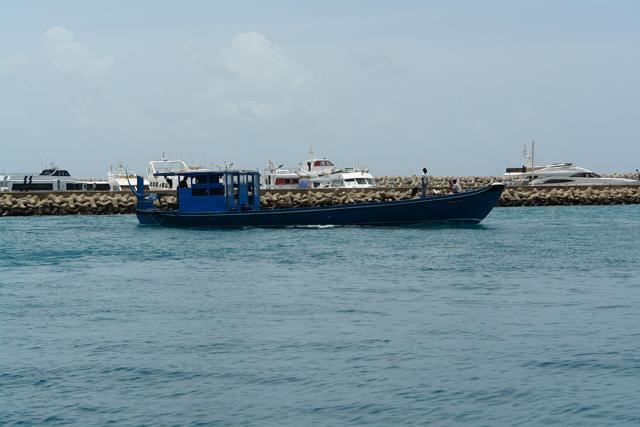
Itineraries typically run roughly a week, boarding near Male and looping through a chain of atolls before returning. Dive safaris are structured around multiple dives per day — commonly two to four, including night dives — with a dhoni tender boat carrying divers to sites while the mothership repositions. Surf charters follow swell instead, anchoring off breaks and delivering surfers by tender at the right tide. Meals are included aboard, crews handle logistics, and the day revolves entirely around the water.
Why divers choose boats over islands
- Site access: famous channels, thilas and cleaning stations spread across many atolls; a boat strings the highlights into one week.
- Big animal odds: routes chase seasonal aggregations — manta rays and whale sharks included — improving encounter chances over a fixed island.
- Dive volume: more dives per day than typical resort operations, with sites minutes away because you slept next to them.
- Like-minded company: boats concentrate people who share the obsession.
Routes and seasons in brief
Classic central-atoll routes tour the well-known channels and manta sites year round. Season shapes the rest: the northeast monsoon period favours certain crossings and eastern sites, while the southwest monsoon shifts plankton and mantas elsewhere, famously into Baa Atoll around mid-year. Far-south itineraries chase channel diving and sharks. Surf charters concentrate on the swell season months. Operators publish route calendars accordingly; pick the season for the animals or waves you want.
Who liveaboards suit — and who they do not
They reward travellers whose priority is time in the water. Certification requirements apply on advanced routes, and many boats expect experience levels suited to channel currents. They suit poorly: travellers prone to seasickness in season, families wanting beach time, and anyone for whom a holiday means space and privacy, since cabins are compact and social life is communal. Honest self-assessment beats optimism at sea.
Choosing a boat
- Match the route and season to your target sites or breaks.
- Check guide-to-guest ratios and safety equipment standards.
- Confirm certification and experience requirements against your logbook.
- Understand what is included: equipment hire, courses, marine fees and crew gratuities customarily sit outside the base price.
- Insurance covering diving, and ideally evacuation, is essential at sea.
Life aboard
Days settle into a rhythm veterans adore: dawn briefing, dive, breakfast, dive, lunch, rest, dive, sunset on deck, dinner, logbooks and early sleep as the boat hums toward tomorrow's site. Connectivity comes and goes with the route. The archipelago drifts past as scenery. For a certain kind of traveller, nothing else compares.
FAQ
Do you need to be a certified diver for a Maldives liveaboard?
Dive-focused routes expect certification, and advanced itineraries with channel currents often require experience minimums. Some boats run courses aboard; surf and snorkel charters have no such requirement.
Are Maldives liveaboards good for surfing?
Yes: surf charters are an established segment, following swell to breaks across the atolls during the surf season months and anchoring where crowds are thinnest.
Do liveaboards get seasick-inducing?
Crossings in the windier monsoon months can be lively. Travellers sensitive to motion choose calm-season departures, larger vessels and midship cabins, and pack remedies.