How to Choose a Resort Island in the Maldives
The Maldives works on a one island, one resort principle: when you book a resort you are booking the entire island experience, from the sand underfoot to every restaurant you will eat in. You cannot stroll to the venue next door. That makes choosing the right island the single most important decision of a Maldives holiday, and it is worth approaching systematically rather than by photos alone.
Start with the transfer
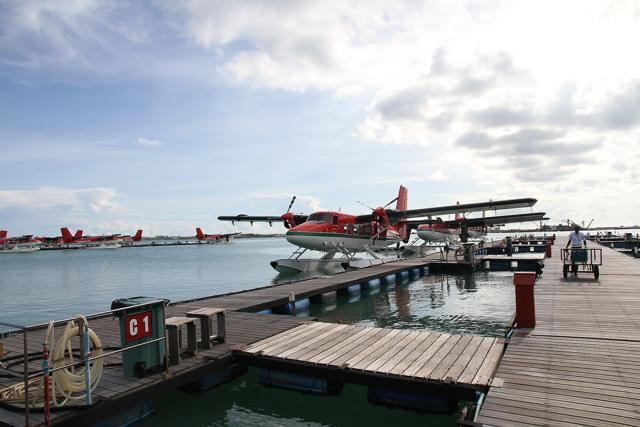
Every island is reached by speedboat, seaplane or domestic flight from Velana International Airport. Transfer type affects cost, journey time and arrival logistics: speedboat islands suit shorter stays and late arrivals, while seaplane islands fly in daylight only and add a scenic but more expensive leg. Decide how much journey you are happy with before falling in love with a distant island.
The house reef question
A house reef is the coral reef encircling or adjoining the island itself, reachable by swimming rather than by boat. Islands vary enormously here. Some sit beside vibrant drop-offs where turtles and reef sharks cruise metres from the beach; others are lagoon islands where decent snorkelling requires a boat excursion. If snorkelling matters to you, research the house reef specifically; if you mainly want calm shallow swimming, a sandy lagoon island may actually suit you better.
Atmosphere: quiet, lively or family
Islands cultivate distinct personalities. Some position themselves as adult-oriented sanctuaries of quiet; others build their identity around families, with kids clubs and shallow lagoons; others emphasise diving, surfing or house-party energy. Reading recent guest reviews with your own priorities in mind reveals more than the marketing photography does.
Size matters more than you think
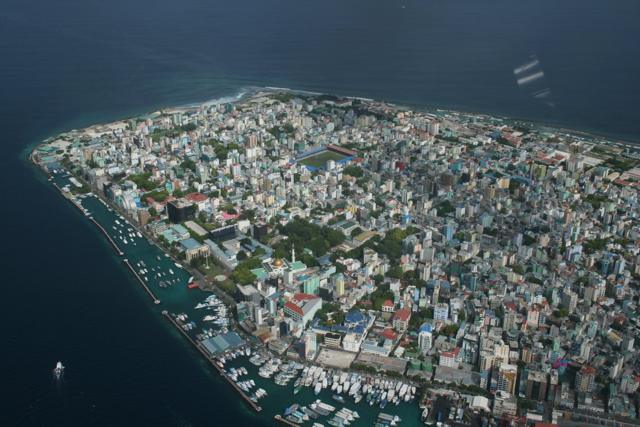
A small island can be walked around in fifteen minutes, which feels intimate but offers fewer dining options and less to explore. A large island supports more restaurants, facilities and privacy between guests, at the cost of longer walks or buggy rides. Neither is better; they are different holidays.
Room styles: beach or overwater
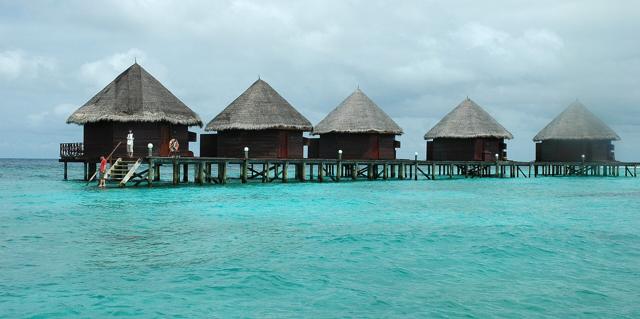
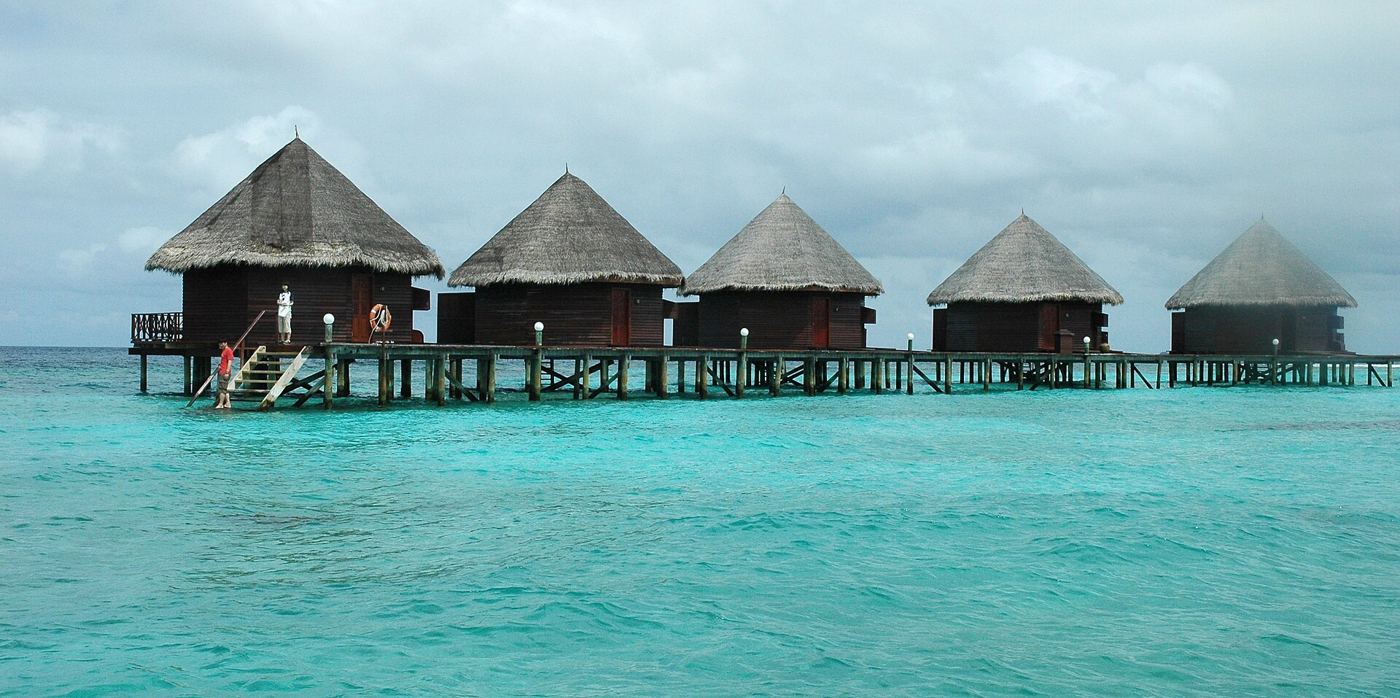
Overwater villas are the iconic Maldives image, but beach villas offer direct sand access, often more space and easy lagoon entry, and many seasoned visitors prefer them. A popular approach for longer stays is splitting the booking between the two styles.
Food and drink packages
Because you cannot dine off-island, meal plans shape both budget and experience. Options typically range from bed and breakfast through half board and full board to all-inclusive. An island with a single restaurant makes all-inclusive simple; an island with many speciality venues may reward a more flexible plan. Check how packages treat the speciality restaurants before deciding.
Season and location within the country
Underwater visibility shifts between the east and west of each atoll with the monsoons, surf breaks concentrate in certain atolls, and southern atolls sit in slightly different weather patterns. If your trip is built around diving, surfing or manta seasons, choose the region first and the island second.
A simple decision order
- Set your transfer tolerance and budget band.
- Decide the atmosphere: romantic quiet, family, active.
- Filter for house reef quality if snorkelling matters.
- Choose island size and room style.
- Match the meal plan to the island's dining.
FAQ
Can you visit other resorts or islands during your stay?
Resort islands are private, and casual walk-ins are not the norm. Excursions to local islands, sandbanks and other experiences are arranged through your resort, and some resorts offer inter-island dining visits by prior booking.
Is an overwater villa worth it?
They are unforgettable, but beach villas often offer more space and easier sea access. Many travellers split a stay between both styles to enjoy each.
What is a house reef?
The reef directly accessible from the island by swimming. Islands with strong house reefs effectively include unlimited snorkelling in every day of your stay.