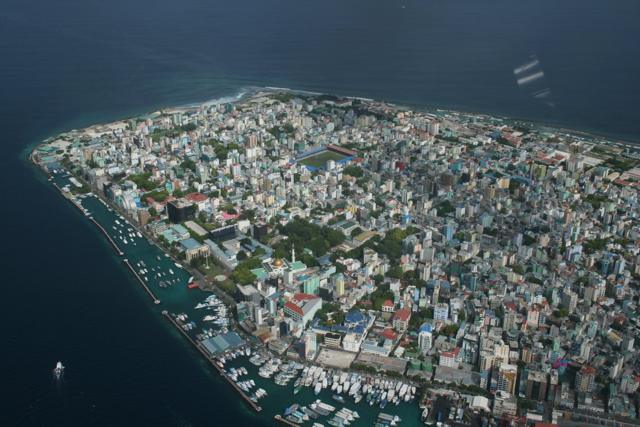
Reef Sharks of the Maldives: A Shark Sanctuary in the Indian Ocean
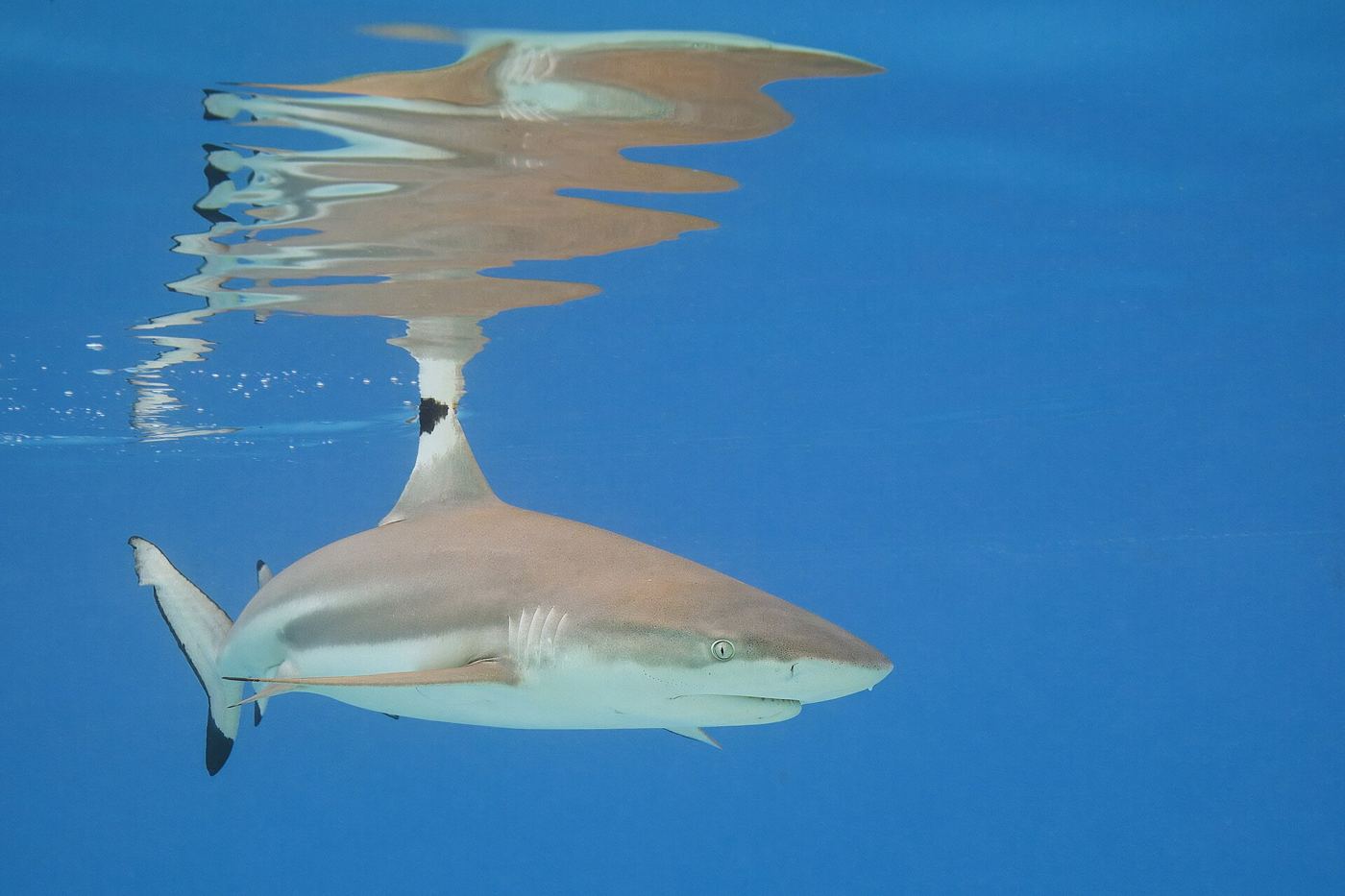
For divers and snorkellers, the Maldives is one of the best places on Earth to see sharks living as they should: abundant, relaxed and utterly uninterested in people. The country banned shark fishing in its waters in 2010, effectively turning the entire archipelago into a shark sanctuary, and healthy shark populations are now one of its greatest natural assets.
Why sharks thrive here
Sharks matter enormously to the Maldives. As top predators they keep reef fish populations balanced and reefs healthy, and as living attractions they draw divers from around the world — a shark on a reef is worth vastly more to the economy alive than caught. The nationwide fishing ban recognised exactly that.
Sharks you are likely to meet
Blacktip reef shark: The classic Maldivian shark, instantly recognisable by black-tipped fins. Blacktips patrol shallow lagoons and house reefs, and juveniles cruise in ankle-deep water off many island beaches — a delight for guests and completely harmless when left alone.
Whitetip reef shark: A slender, docile shark often found resting on sand patches or under ledges during the day, becoming active at night to hunt.
Grey reef shark: A more robust shark of channels and outer reef slopes, often seen in groups holding position in the current at famous channel dive sites.
Nurse shark: A large, placid, bottom-dwelling shark that rests in caves by day. Some sites in the Maldives are known for groups of nurse sharks that gather in the evenings.
Whale shark: Technically the biggest shark of all — the filter-feeding giant is covered in its own guide.
Beyond the reef, deeper and more remote waters host species such as hammerheads and, in the far south around Fuvahmulah, the Maldives has become internationally known for encounters with tiger sharks on organised, carefully managed dives.
Are sharks dangerous in the Maldives?
The reef sharks visitors encounter are small to medium-sized predators of fish, not people. Unprovoked incidents in the Maldives are extraordinarily rare, and generations of divers have shared the water with these animals without trouble. Common sense applies: don't corner, chase or grab a shark, avoid swimming with speared or baited fish, and give resting nurse sharks their space.
Where to see them
- House reefs and lagoons: blacktips, often within metres of the beach
- Channel dives: grey reef sharks riding the current where ocean water pours between atolls
- Night dives: hunting whitetips and nurse sharks
- Fuvahmulah: the southern island famous for pelagic species including tiger sharks
FAQ
Is it safe to swim where there are reef sharks?
Yes. Blacktip, whitetip and grey reef sharks feed on fish and pose virtually no risk to swimmers who treat them with normal respect. They are a sign of a healthy reef, not a hazard.
Why are there so many sharks in the Maldives?
Shark fishing has been banned throughout Maldivian waters since 2010, allowing populations to remain healthy. Sharks are worth far more to the Maldives alive, supporting reef health and dive tourism.
Can you see big sharks like hammerheads or tiger sharks?
Yes, in specific places. Deep dawn dives at certain atoll edges occasionally produce hammerheads, and Fuvahmulah in the far south is renowned for managed tiger shark diving.