Health and Safety in the Maldives: What Travellers Should Know
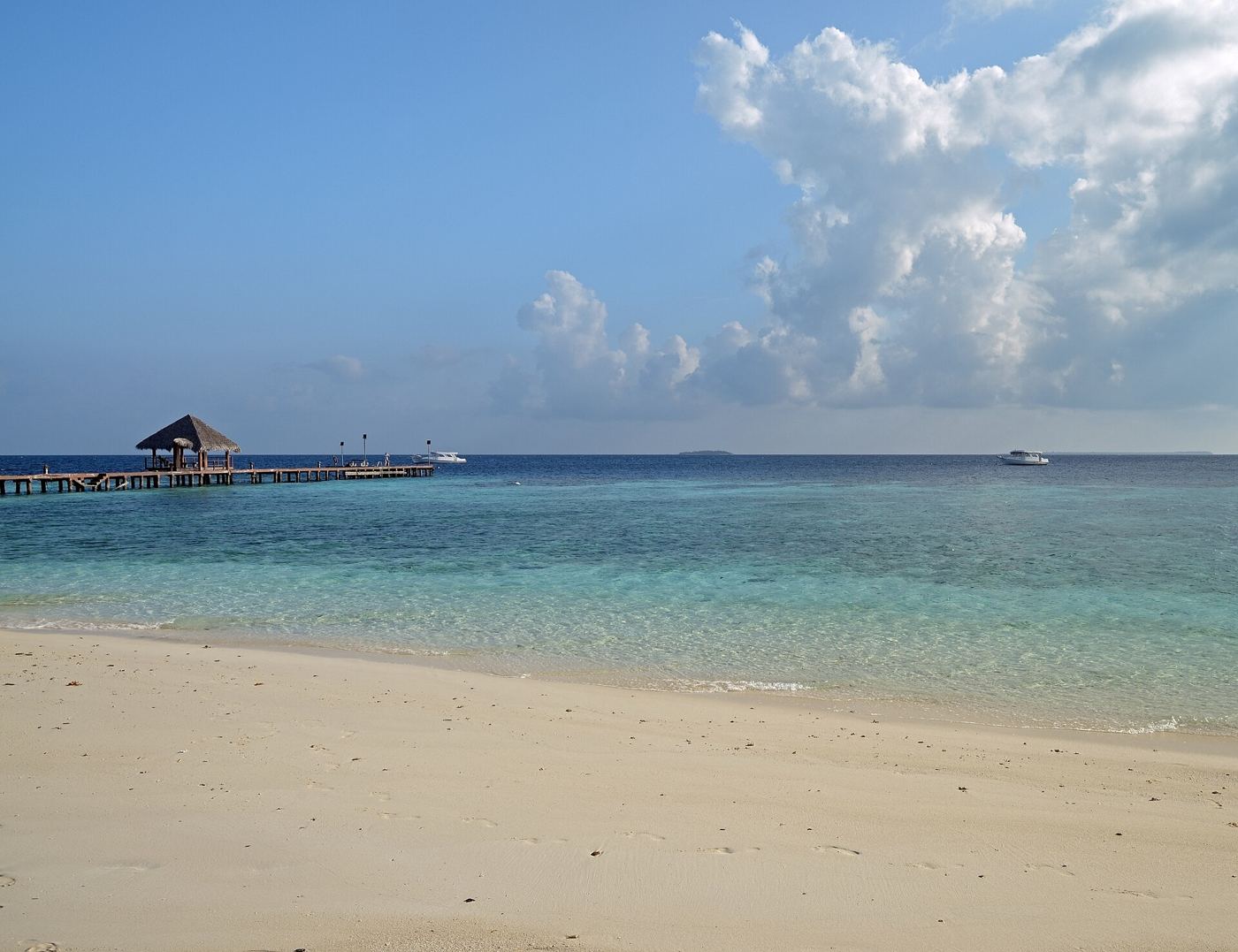
The Maldives consistently ranks among the more relaxed destinations a traveller can choose: crime affecting tourists is rare, islands are small, communities are tight-knit and the tourism industry is mature. The meaningful risks here are environmental rather than human — sun, sea and remoteness — and each is easily managed with preparation.
Medical care and why insurance matters
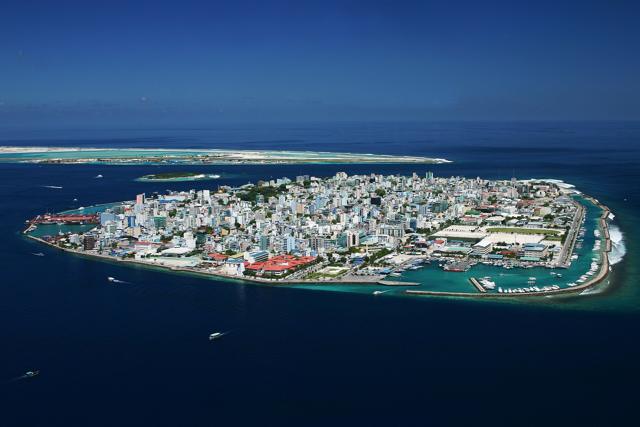
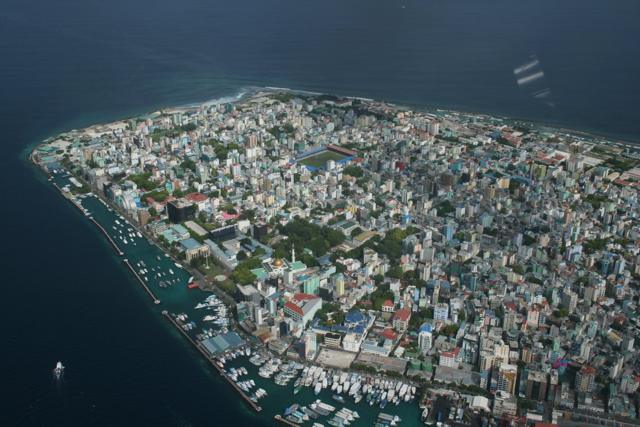
Resorts typically have access to a resident or on-call medical professional for minor ailments, and inhabited islands have health centres. Hospital-level care is concentrated in Male, and anything serious on an outer island means a boat, seaplane or air transfer to the capital, or evacuation abroad for complex treatment. That geography is why comprehensive travel insurance including medical evacuation is not optional advice in the Maldives; it is the core safety decision of the trip. Divers should ensure their policy covers diving and, ideally, hyperbaric treatment, as recompression chamber facilities exist only at limited locations.
Sun: the most common holiday injury
The Maldives sits on the equator, and serious sunburn on day one is the classic Maldives mistake. Ultraviolet levels are extreme by the standards of most visitors' home countries, and reflection off water and white sand doubles the exposure. High SPF reef-safe sunscreen, rash vests for snorkelling, hats and midday shade transform the week. Hydration matters equally in constant warmth.
Water and food
Resorts provide safe drinking water, commonly bottled or produced by on-island desalination, and food hygiene standards in the tourism sector are high. On local islands, bottled or treated water is the sensible choice. Standard tropical-travel caution with hydration and food handling applies, but the Maldives is not considered a high-risk food destination in the tourism context.
Marine hazards in perspective
- Currents: the genuine hazard. Channels between reef and open ocean can carry strong currents; snorkel where your island designates, ask staff about conditions daily, and never snorkel channels alone.
- Coral and rubble: cuts and scrapes infect easily in the tropics; water shoes and not touching the reef prevent most incidents.
- Marine life: sharks in Maldivian lagoons are overwhelmingly small reef species that ignore humans; stonefish, lionfish and cone shells reward the universal rule of look, do not touch. Stingrays glide through shallows, and the shuffle-step entry avoids surprises.
- Boat traffic: stay inside marked swim zones near jetties and watersports areas.
Everyday safety
Petty crime against tourists is rare, and resort islands are effectively gated communities. In Male and on local islands, ordinary travel awareness suffices. Local laws reflect an Islamic society: alcohol is restricted to licensed resort venues, public modesty rules apply on inhabited islands, and drug offences carry severe penalties. Respecting these keeps every visit smooth; check current official guidance before travelling for anything regulatory.
Health preparation checklist
- Comprehensive insurance with medical evacuation, plus diving cover if relevant.
- Routine vaccinations up to date; consult a travel clinic for personal advice.
- Personal medications in original packaging, in quantities covering the trip.
- Reef-safe sunscreen, rehydration salts and basic first aid for scrapes.
FAQ
Is the Maldives safe for tourists?
Yes, notably so. Crime affecting visitors is rare and resort islands are private and controlled. The practical risks are sunburn, dehydration and ocean currents, all manageable with basic care.
What happens if I get seriously ill on a remote island?
Initial care comes from island medical staff, with transfer to Male for hospital treatment and evacuation abroad for complex cases. This is precisely why evacuation-inclusive travel insurance is essential.
Can you drink tap water in the Maldives?
Drink the water your resort provides, which is desalinated or bottled and safe. On local islands, stick to bottled or treated water as a sensible default.