Money and Currency in the Maldives: Rufiyaa, Dollars and Cards
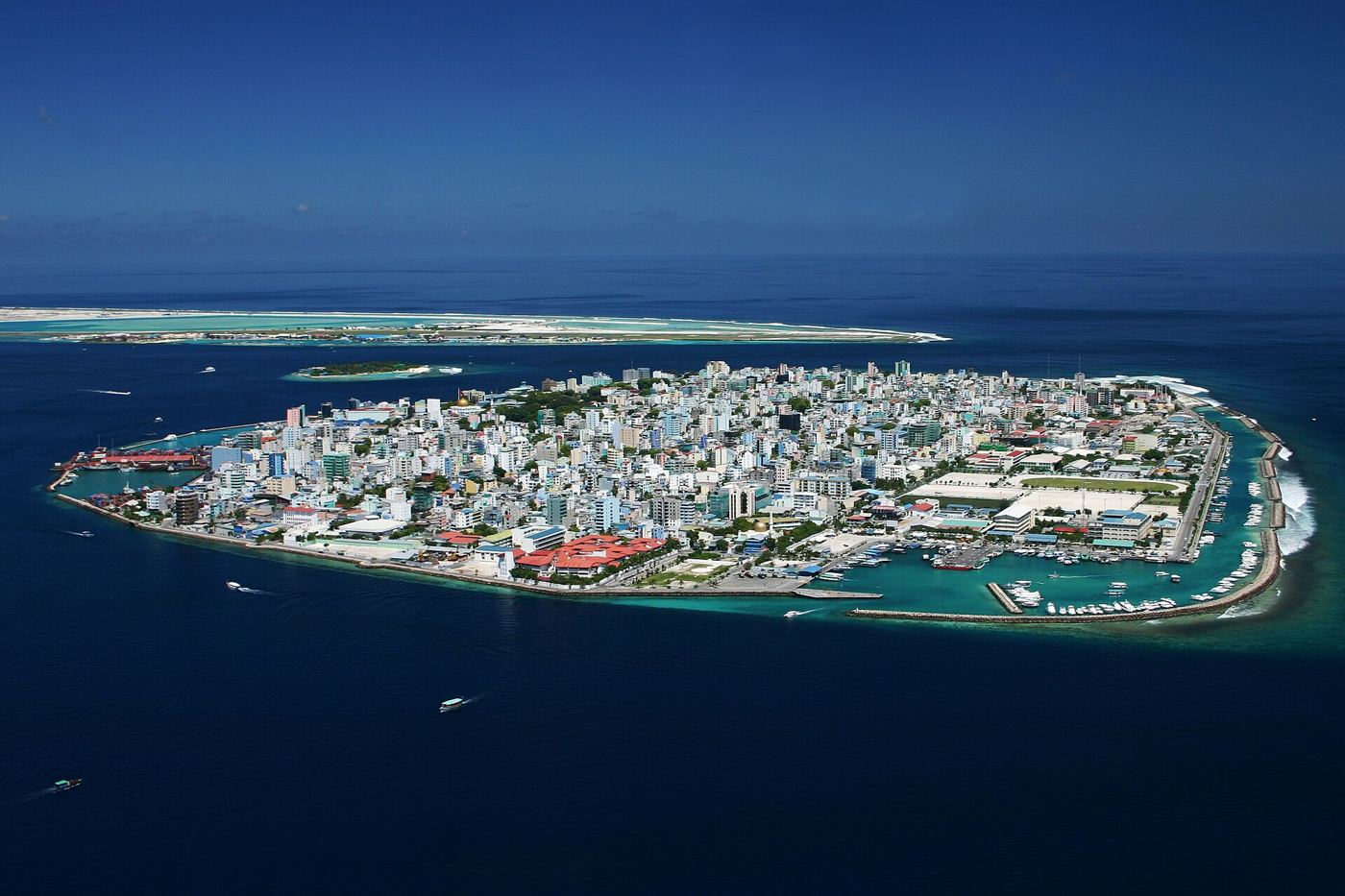
Money in the Maldives is simpler than first-time visitors expect, because the tourism economy is built around international payment habits. The national currency is the Maldivian rufiyaa, abbreviated MVR, but the US dollar circulates so widely in tourism that many visitors never hold a rufiyaa note at all.
The rufiyaa
The rufiyaa is issued by the Maldives Monetary Authority and divided into one hundred laari. Notes feature Maldivian cultural imagery, and the modern series is polymer. Locals transact in rufiyaa for everyday life: markets, cafes on inhabited islands, ferries and shops. If you spend time on local islands, having some rufiyaa is genuinely useful for small purchases, although dollars are often accepted there too at approximate rates.
The parallel dollar economy
Resorts, liveaboards, seaplane operators and most tourism businesses price in US dollars. Resort bills are settled in dollars or by card, and dollar cash is accepted almost universally across the tourism sector. Clean, undamaged notes are preferred. Other major currencies are less useful; if you are bringing cash, dollars are the practical choice.
Cards and cashless stays
At resort level the Maldives is effectively cashless: rooms operate on a charge-to-room basis, and the final bill is settled by international card, with major networks widely accepted. Guesthouses on local islands increasingly take cards too, though smaller operators may add surcharges or prefer cash, and connectivity hiccups happen. A sensible setup is one primary card, one backup card and a modest amount of dollar cash.
ATMs and changing money
Banks and ATMs cluster in Male and Hulhumale, with machines on larger inhabited islands. ATMs dispense rufiyaa; withdrawal fees and limits vary by bank. Resort islands generally do not have ATMs, which rarely matters given the charge-to-room system. Currency exchange is available at the airport and banks, though many visitors simply never need it.
Tipping and small cash
Tipping is appreciated though not obligatory, and small US dollar notes are the most practical tipping currency at resorts. Keeping a supply of small denominations for housekeeping, butlers, boat crews and porters is easier than seeking change. A service charge is commonly added to resort bills by policy; whether and how it reaches staff varies by operator, which is why discretionary cash tips remain customary for standout service.
Budgeting realities
Remember that resort extras — meals outside your plan, drinks, spa treatments, excursions and transfers — are typically priced in dollars and attract service charge and tax on top of quoted prices. Reading a menu or price list carefully to see whether figures are inclusive saves surprises at checkout.
FAQ
Should I bring US dollars or rufiyaa to the Maldives?
For resort stays, dollars and cards cover everything and rufiyaa is unnecessary. For local island stays, a mix works best: cards where accepted, dollars broadly usable, and some rufiyaa for small local purchases.
Are credit cards accepted in the Maldives?
Yes, major cards are accepted at resorts, liveaboards and most guesthouses. Carry a backup card and some cash for smaller operators and any connectivity outages.
Is there a service charge in the Maldives?
Tourism businesses commonly add a service charge to bills, alongside applicable taxes. Quoted prices may be exclusive of these, so check whether figures are inclusive when budgeting.