The Monsoon Seasons of the Maldives: Iruvai and Hulhangu Explained
The Maldives sits almost on the equator, so temperatures barely change all year. What changes is the wind. Island life — and every travel decision worth making — runs on the rhythm of two monsoons: the dry northeast monsoon, called iruvai, and the wet southwest monsoon, called hulhangu. Understand these two words and you understand the Maldivian year.
Iruvai: the northeast monsoon
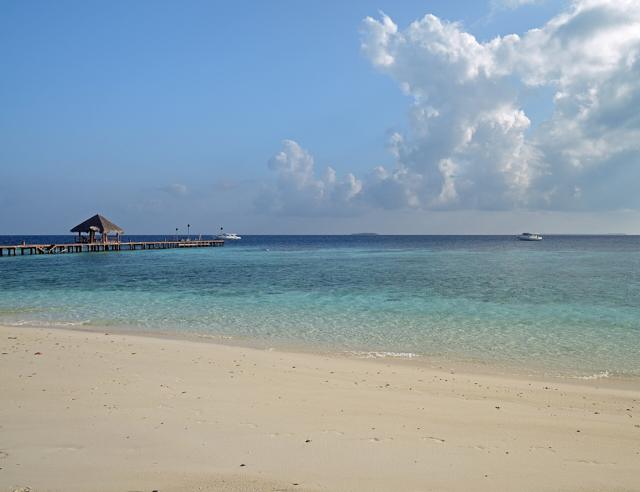
Roughly from December or January through to March or April, winds blow from the northeast, bringing the Maldives' driest, sunniest and calmest stretch. Seas settle, skies clear, and underwater visibility is generally at its best — this is the classic high season, when the postcard weather is most reliable.
Traditionally, iruvai was also the season of long-distance sailing and trade, when calm seas let dhonis voyage safely between atolls and beyond.
Hulhangu: the southwest monsoon
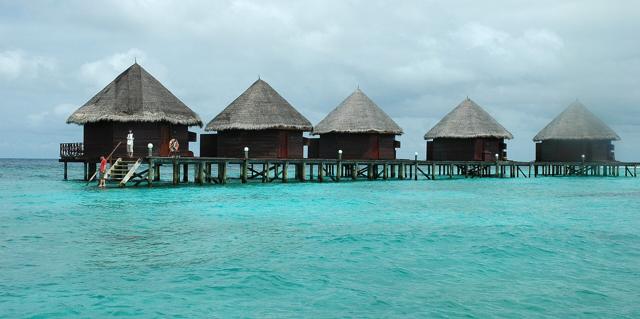
From around May through to November, the wind swings to the southwest and carries more moisture. Expect more cloud, passing squalls and heavier showers — though rarely the day-long deluges of continental monsoons. Rain typically arrives in energetic bursts between sunny spells, and the islands turn lush. Seas run rougher, especially on crossings, and brief storms can be dramatic.
Hulhangu is far from a write-off for travellers: prices ease, islands are quieter, and the season brings its own natural spectacles.
What the monsoons mean underwater
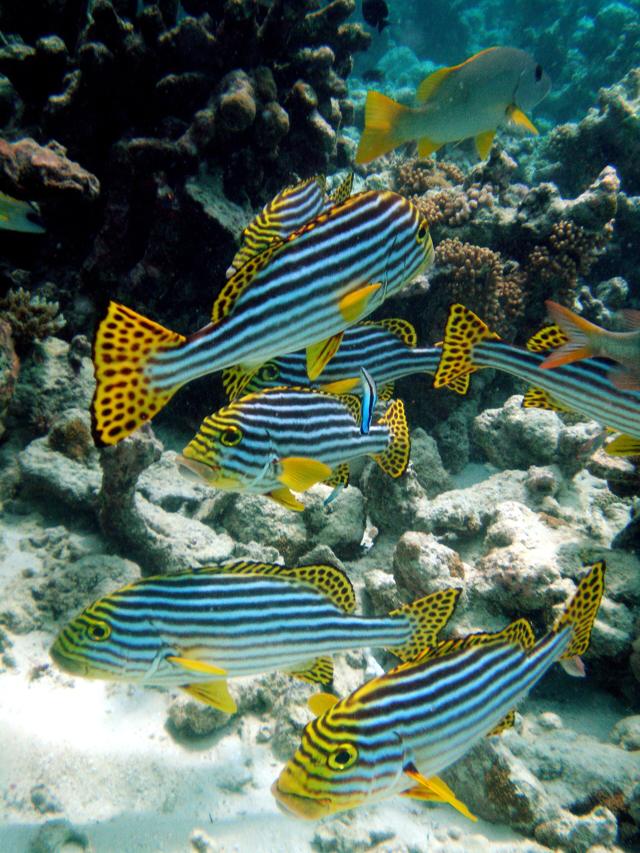
The monsoons drive the currents that carry plankton through the atolls, and the megafauna follows the food:
- During hulhangu, plankton concentrates on the eastern sides of atolls — this is when Hanifaru Bay in Baa Atoll stages its famous manta ray feeding gatherings
- During iruvai, clearer water favours the western atoll edges, and visibility for divers is generally superb
- Whale sharks at South Ari Atoll are present year-round, one of the few constants across both seasons
Surf and seasons
The southwest monsoon overlaps with the best surf: southern hemisphere swells arrive most consistently between about March and October, powering the breaks of North Malé Atoll and the southern atolls. Surfers and beach-loungers, in other words, want opposite ends of the calendar.
Reading the traditional calendar
Maldivian tradition divides the year further into nakaiy — short periods of roughly two weeks, each with its own name and expected weather, long used to time fishing, planting and voyages. Ask an older fisherman about the nakaiy and you will hear a forecasting system refined over centuries without a single satellite.
FAQ
What do iruvai and hulhangu mean?
They are the Dhivehi names of the two monsoons: iruvai is the dry northeast monsoon (roughly December–April), hulhangu the wetter southwest monsoon (roughly May–November).
Which monsoon is best for a Maldives holiday?
Iruvai offers the most reliable sunshine and calm seas — the classic high season. Hulhangu brings more showers but quieter islands, better value, prime surf and the great manta gatherings of Baa Atoll.
Does it rain all day during the wet season?
Rarely. Hulhangu rain usually falls in short, heavy bursts with sunshine between; extended grey washouts happen but are the exception rather than the rule.