All-Inclusive vs Full Board vs Half Board in the Maldives
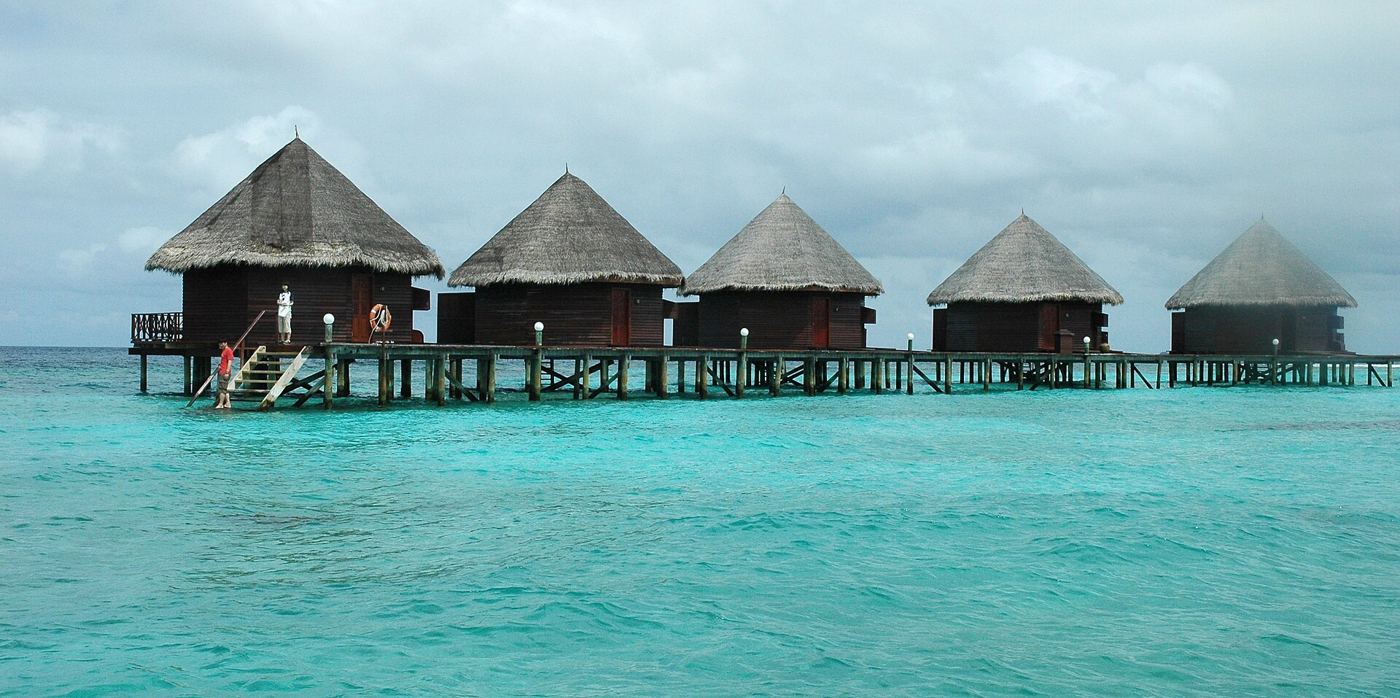
Meal plans matter more in the Maldives than almost anywhere else, for one structural reason: you cannot eat anywhere except your island. Every breakfast, cocktail and midnight snack comes from the resort, at resort pricing. Choosing the right board basis is therefore less about preference and more about matching the plan to how you actually eat and drink on holiday.
The four standard plans
- Bed and breakfast: breakfast included; all other meals and drinks charged as taken.
- Half board: breakfast and dinner included, typically in designated restaurants; lunch and drinks extra.
- Full board: three meals included; drinks generally extra.
- All-inclusive: meals plus a defined drinks selection and often extras such as snacks, minibar items and sometimes activities, per the island's published inclusions.
Why the sums surprise people
Islands import nearly everything, and menus price accordingly, with service charge and tax added to extras. Couples who casually order lunches, coffees and evening drinks on a bed-and-breakfast basis frequently discover the checkout bill rivals the room cost. Prepaid plans convert that uncertainty into a known number, which is precisely their appeal.
Where each plan wins
Bed and breakfast suits light eaters, guests who booked an island for its speciality restaurants and want to roam the menus, and anyone whose rate came bundled that way with plans to pay as they go.
Half board suits travellers who skip or graze lunch after big resort breakfasts — a genuinely common pattern in the heat — and prefer flexibility in the middle of the day.
Full board suits guests who want every meal handled but drink modestly, keeping the drinks decision separate.
All-inclusive wins for guests who enjoy cocktails and wine daily, families ordering constantly, and anyone who relaxes more with zero mental accounting. On single-restaurant islands it is close to a default; on multi-restaurant islands, check how the plan treats speciality venues.
The fine print that decides it
- Restaurant coverage: plans often apply to main restaurants, with speciality venues attracting surcharges or partial credits.
- Drinks lists: all-inclusive covers a defined selection; premium labels sit outside it.
- Dine-around rights: larger islands may let plan-holders rotate venues a set number of times.
- Extras: some islands fold excursions, watersports or minibar into top-tier plans, which changes value math entirely.
A simple way to decide
Estimate honestly: how many drinks a day, how many proper lunches, how much menu roaming? Guests who total their likely extras against the plan uplift usually find the answer obvious. When in doubt on a remote island with few venues, prepaid coverage errs on the side of holiday peace; on a dining-destination island, freedom often earns its keep.
FAQ
Is all-inclusive worth it in the Maldives?
For guests who drink daily and eat three meals, usually yes, given island pricing on extras. For light consumers or guests targeting speciality restaurants, half board plus pay-as-you-go can beat it.
Does all-inclusive cover every restaurant on the island?
Not always: plans commonly centre on main restaurants, with speciality venues carrying surcharges or limited credits. Read the island's published inclusions before relying on them.
Can you change board basis after arrival?
Many resorts allow upgrades on-island subject to their policies; downgrades mid-stay are less common. Confirm flexibility at booking if undecided.