Ari Atoll Guide: Whale Sharks, Channels and Classic Maldives Diving
Ari Atoll, administratively divided into North Ari (Alifu Alifu) and South Ari (Alifu Dhaalu), lies west of the Malé atolls and is among the largest natural atolls in the Maldives, stretching dozens of kilometres from north to south. Its scattered islands and open channels made it a diving frontier when tourism spread beyond Malé, and it remains one of the country's most celebrated underwater regions.
Geography and character
Unlike ribbon-like barrier atolls, Ari is broad and studded with isolated reefs, submerged pinnacles known locally as thilas, and islands sitting apart from one another in open lagoon. This structure creates nutrient-carrying currents and cleaning stations that attract pelagic species year-round.
The marine headliners
Whale sharks
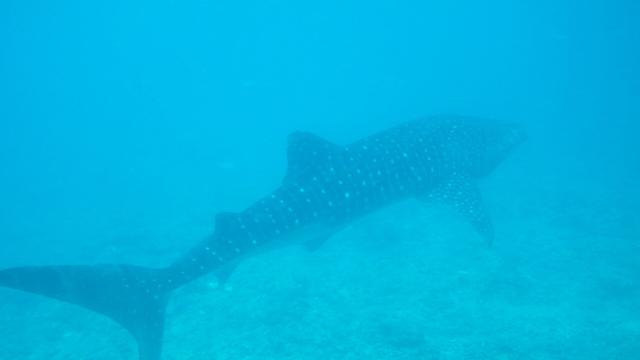
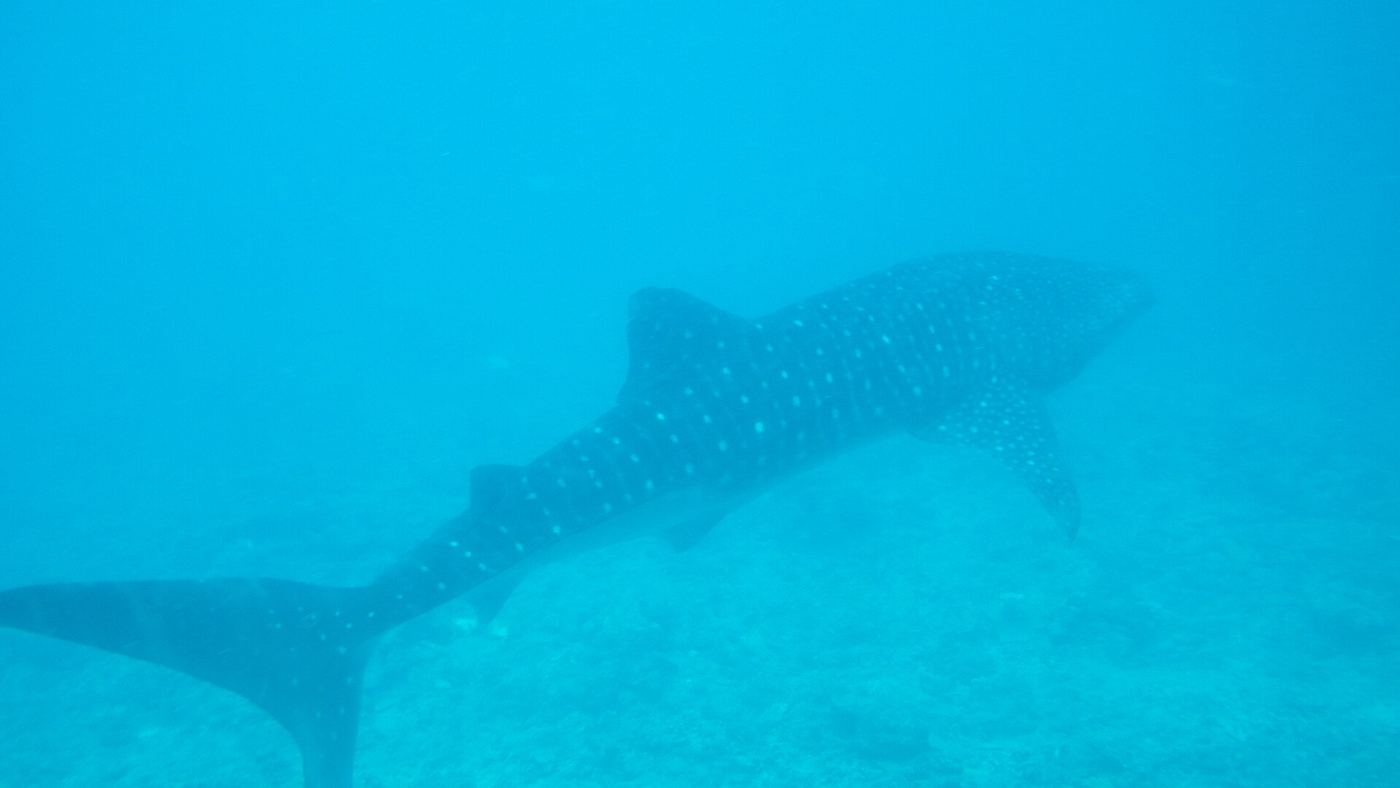
The outside reef of South Ari Atoll is one of very few places on Earth where whale sharks can be encountered throughout the year. The area is protected as the South Ari Marine Protected Area, and sightings of juvenile whale sharks cruising the drop-off are common enough to support daily excursion boats from resorts and local islands alike.
Manta rays
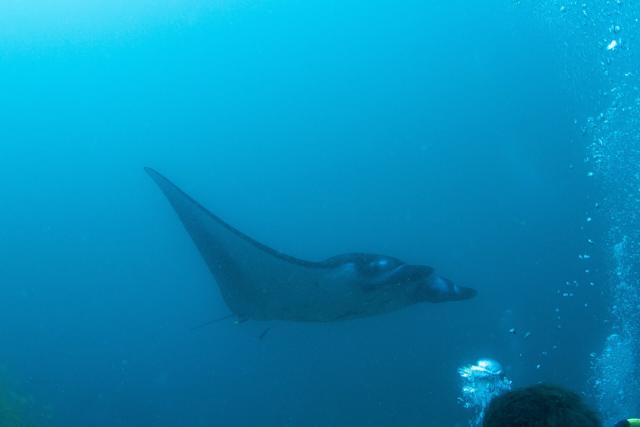
Manta cleaning stations and feeding areas operate seasonally around the atoll, with activity shifting between coasts as the monsoon reverses plankton-bearing currents.
Reef life
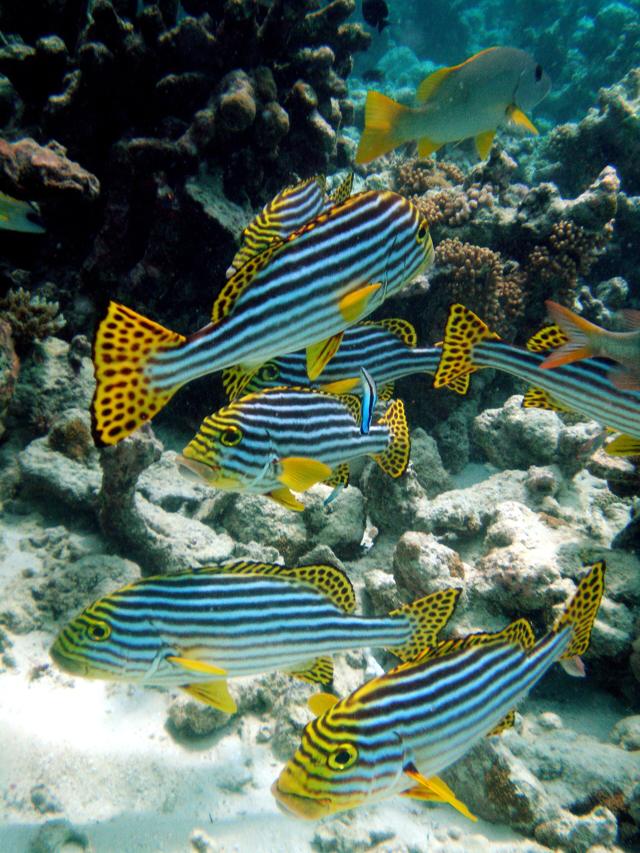
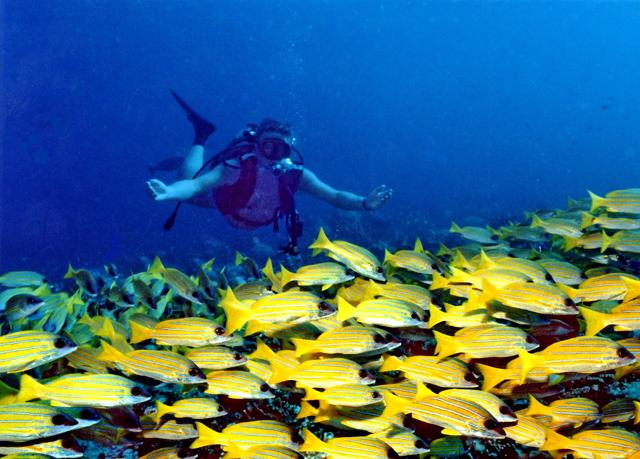
Thilas in the atoll's interior host grey reef sharks, napoleon wrasse, turtles, schooling snappers and dense soft coral growth, and several wrecks add variety.
Islands of Ari Atoll
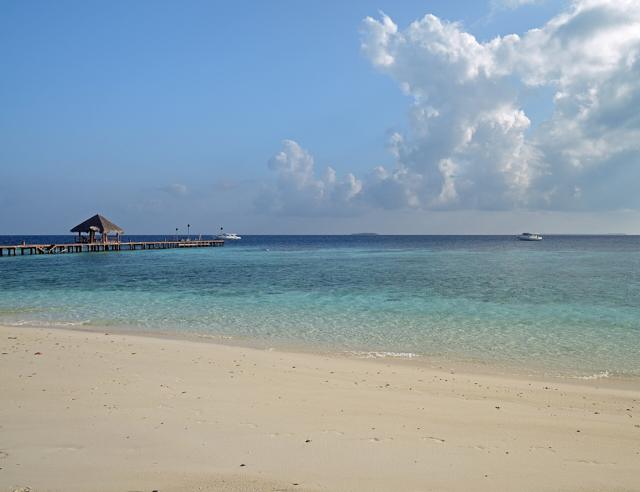
Inhabited islands such as Dhigurah and Dhangethi in the south and Ukulhas, Rasdhoo and Thoddoo associated with the northern reaches have developed strong guesthouse scenes. Dhigurah, a long, thin island with an exceptional beach, sits beside the whale shark area, making it a favourite base for budget travellers focused on big animals. Rasdhoo, technically its own small atoll off Ari's north-east corner, is famous among divers for early-morning hammerhead encounters on its outer banks.
Resorts, many with house reefs and dive centres, occupy leased islands across both administrative halves, and domestic airports plus seaplane routes connect the atoll to Malé.
When to go
Diving is year-round. The north-east monsoon, roughly December to April, generally brings the calmest seas and clearest water on eastern sites, while the south-west monsoon favours plankton feeders and manta activity on the opposite side. Whale sharks in the south defy seasonality and are sought in all months.
FAQ
Why is Ari Atoll famous?
Primarily for reliable whale shark encounters along South Ari's protected outer reef and for classic thila diving with sharks, mantas and rich coral.
Can you see whale sharks year-round in Ari Atoll?
Yes. South Ari is one of the few known locations with year-round whale shark presence, though sightings are never guaranteed.
Which islands suit budget travellers in Ari Atoll?
Dhigurah, Dhangethi, Ukulhas and Rasdhoo all have established guesthouses, dive operators and ferry or flight connections.