The Climate of the Maldives: Warm, Humid and Equatorial All Year
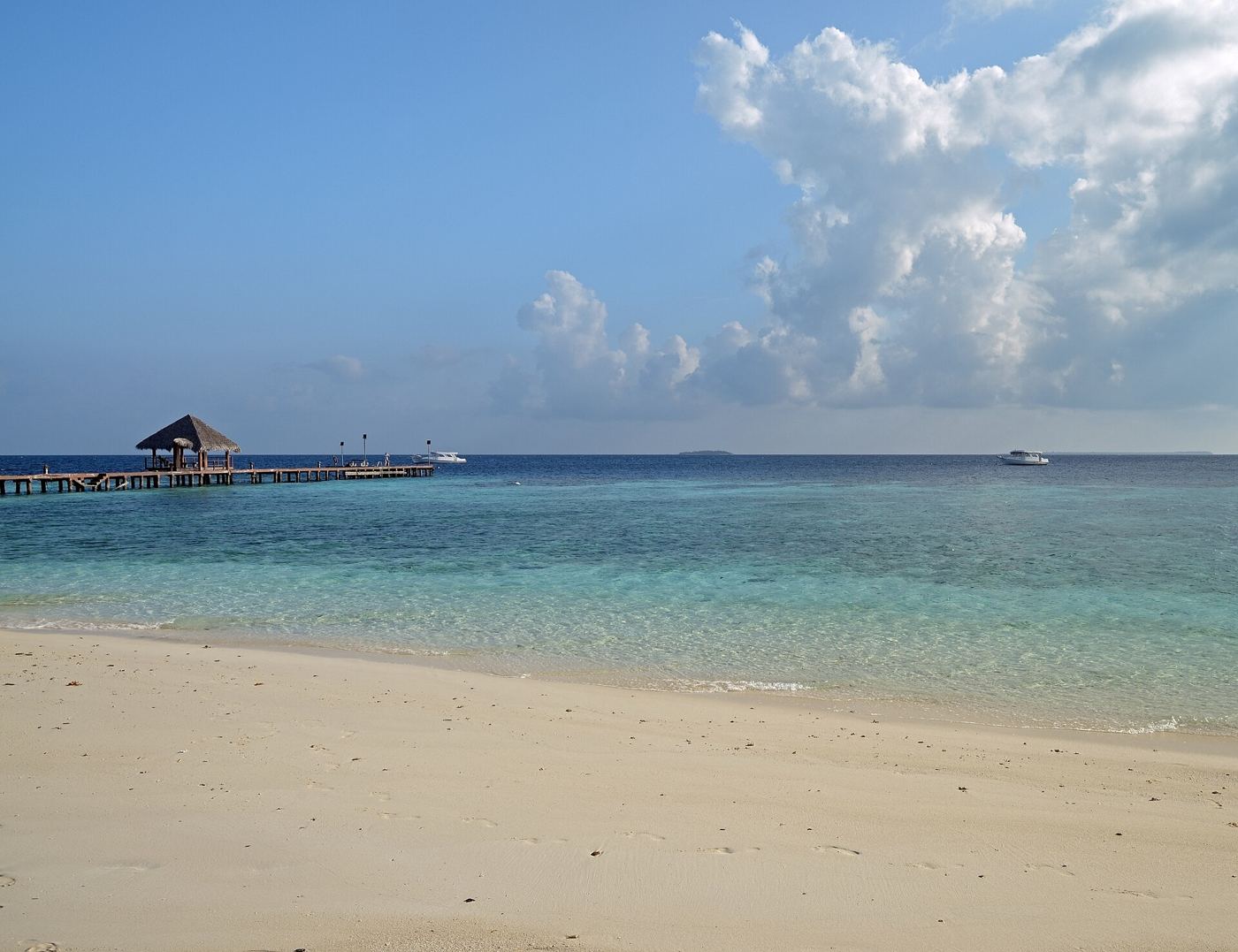
The Maldives has one of the most stable climates on Earth. Straddling the equator in the central Indian Ocean, the islands experience no winter, no summer and hardly any variation in day length. What they get instead is perpetual tropical warmth, moderated by the sea in every direction — and a yearly rhythm set not by temperature but by the two monsoons.
Temperature: remarkably constant
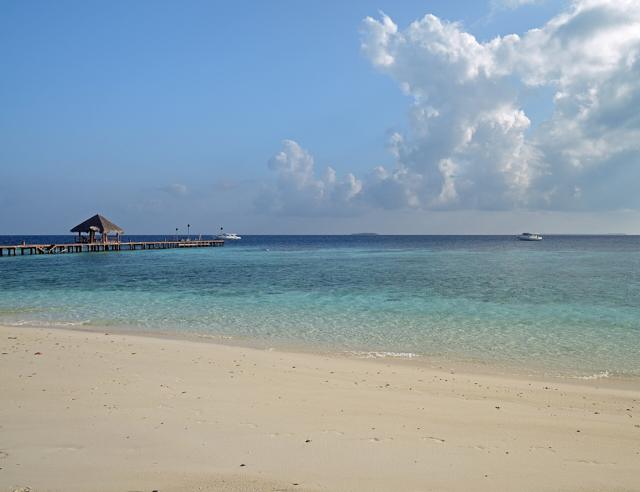
Daytime highs sit around 29–31°C essentially all year, easing to roughly 25–26°C overnight. The difference between the 'hottest' and 'coolest' months is a couple of degrees at most — less than the difference between morning and afternoon on many islands. The sea itself stays warm year-round, generally hovering around 27–30°C, which is why wetsuits in the Maldives are more about sun protection and long dives than cold.
Humidity and the sea breeze
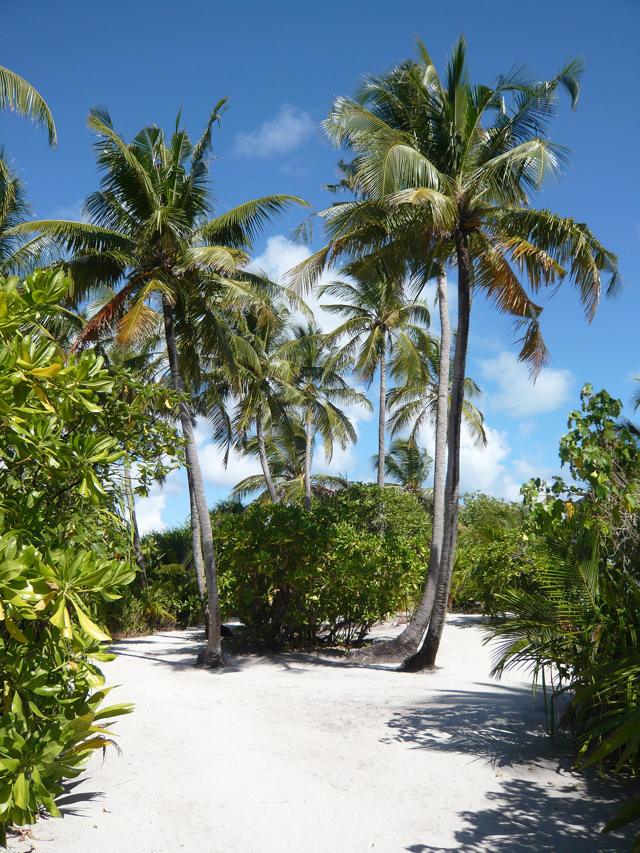
As you would expect of small islands surrounded by warm ocean, humidity is high year-round — typically in the 70–85% range. On the water and along the beaches, near-constant sea breezes keep conditions comfortable; it is in sheltered island interiors that the air feels heaviest. Evenings are balmy rather than stifling, and air conditioning is universal in tourist accommodation.
Sunshine and rain
The dry northeast monsoon months (roughly December to April) deliver the most sunshine and the least rain — often eight or more bright hours a day. The southwest monsoon (roughly May to November) brings the bulk of the year's rainfall, mostly as short, vigorous showers and squalls between sunny periods. Annual rainfall is generous — the Maldives is a green place — and the southern atolls, closer to the equator, tend to see somewhat more even rainfall through the year than the north.
Storms, but not cyclones
Here the Maldives is lucky. Its equatorial position means fully developed tropical cyclones are very rare — cyclones need the spin imparted by distance from the equator, and the Maldives sits too close to it. Squalls and thunderstorms certainly occur, especially during the southwest monsoon and its transitions, and can be intense for an hour or two. But the destructive cyclone seasons that batter other tropical destinations essentially pass the Maldives by.
What it means in practice
- Packing is simple: light clothing year-round, a light layer for breezy boat rides, serious sun protection always
- The sea is always swimmable: water temperature barely changes across the calendar
- Sunburn is the real weather hazard: equatorial sun is fierce even under light cloud
- Forecasts are about rain, not temperature: the only real question any week is how much shower activity the monsoon is producing
FAQ
How hot does it get in the Maldives?
Daytime temperatures sit around 29–31°C virtually all year, with nights near 25–26°C. Extreme heat spikes are rare — the surrounding ocean keeps the range narrow.
Does the Maldives get cyclones?
Fully developed cyclones are very rare because the islands lie so close to the equator, where cyclones cannot easily form or sustain themselves. Monsoon squalls and thunderstorms do occur, particularly May to November.
What is the sea temperature in the Maldives?
Warm year-round — generally about 27–30°C, comfortable for swimming and snorkelling in every month.