Religion in the Maldives Today
The Maldives is an Islamic nation to its core. Sunni Islam has been the faith of the islands since the conversion of 1153 CE, it is enshrined as the state religion, and its rhythms — the five daily prayers, Friday congregations, the fasting month of Ramadan — structure national life to this day.
Islam and the state
The constitution establishes Islam as the religion of the state and ties citizenship to the faith; Maldivian law draws on Islamic principles alongside civil statute. Friday is the principal day of congregational prayer, and the working week is arranged around it, with Friday and Saturday forming the weekend. Public observance of other religions is not permitted, though visitors are free to hold their own beliefs privately.
Daily religious life
On every inhabited island the mosque is a central institution, and the call to prayer sounds five times daily. Many shops and offices pause briefly at prayer times. Children learn Quran recitation from a young age, and religious festivals are the high points of the calendar. Alongside formal observance, everyday speech is threaded with religious expressions of thanks, hope and blessing.
Ramadan and Eid
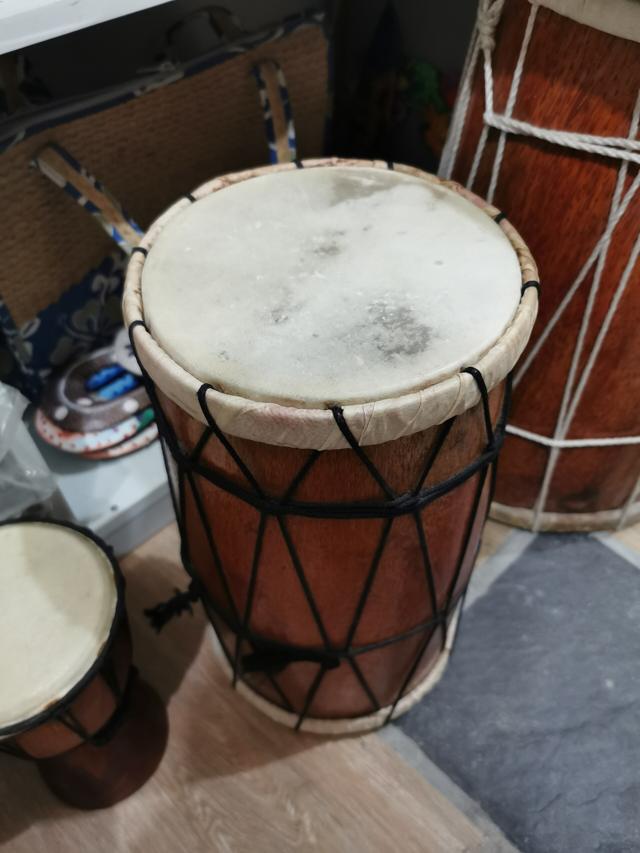
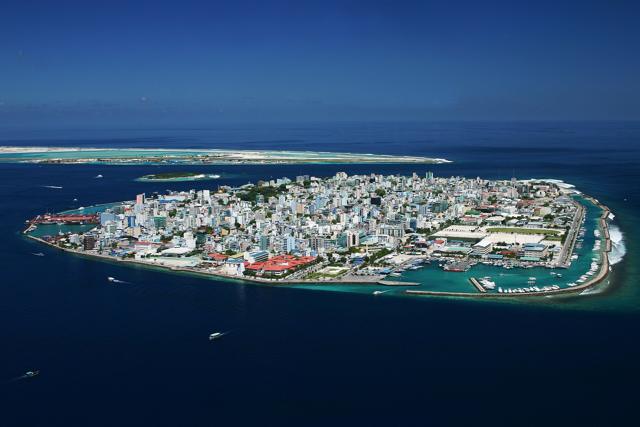
The fasting month of Ramadan — Roadha mas in Dhivehi — reshapes the day: eating, drinking and smoking in public are set aside from dawn to dusk, working hours shorten, and evenings come alive with shared meals and visiting. The month ends with Eid al-Fitr, known locally as Kuda Eid, while Eid al-Adha (Bodu Eid) later in the year brings the longest holiday period, when many Malé families return to home islands for days of feasting, sport and bodu beru.
A heritage of scholarship and mosques
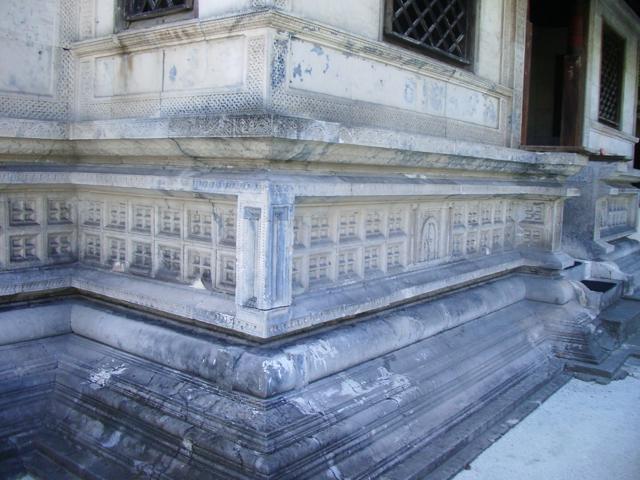
Maldivian Islam has deep local roots: centuries of judges, scholars and calligraphers; the coral-stone mosque tradition culminating in Malé's Old Friday Mosque of 1658; and the modern Islamic Centre, whose golden dome has defined the capital's skyline since 1984. The medieval traveller Ibn Battuta served as a judge in the islands and recorded the piety of their people.
What visitors should know
Resort islands operate under special rules where international norms apply. On inhabited islands, visitors should dress modestly — shoulders and knees covered — and behave with particular consideration during Ramadan and near mosques. Alcohol and pork are not available outside resorts, and bringing them into the country is prohibited. Non-Muslims generally do not enter mosques except where visits are arranged.
FAQ
What is the religion of the Maldives?
Sunni Islam, the state religion since the national conversion of 1153 CE.
Can tourists drink alcohol in the Maldives?
Only on resort islands and liveaboards, which are licensed; alcohol is not available on inhabited islands and cannot be imported by travellers.
Do visitors need to dress differently on local islands?
Yes — modest dress covering shoulders and knees is expected on inhabited islands, while resorts follow relaxed international standards.