The People of the Maldives: Population, Language and Society
For all its fame as a holiday destination, the Maldives is first a nation of people — around half a million of them, spread across roughly two hundred inhabited islands in a chain stretching hundreds of kilometres through the Indian Ocean. Their society is one of the most distinctive in South Asia.
A dispersed yet urbanised nation
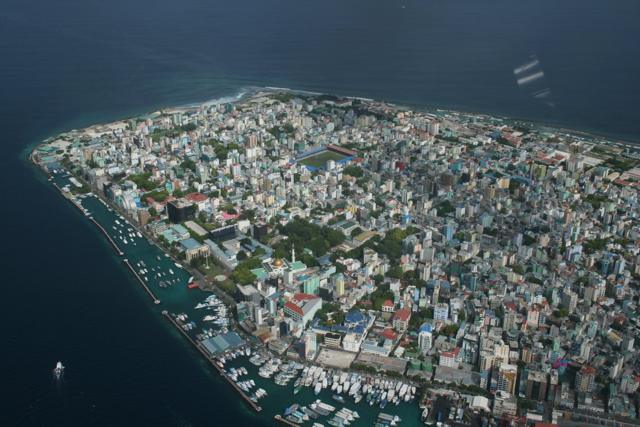
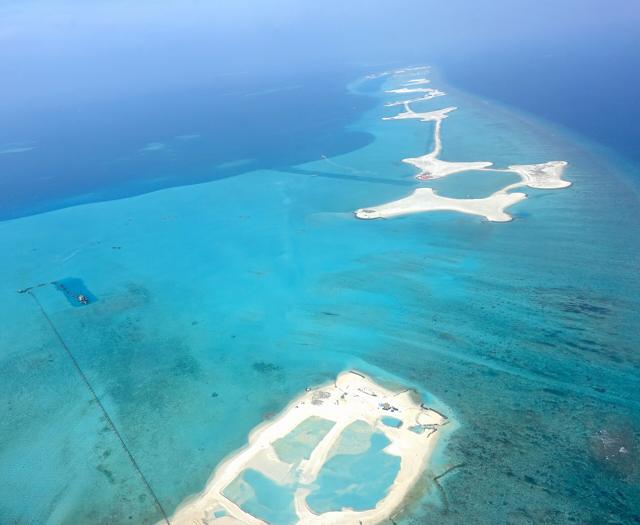
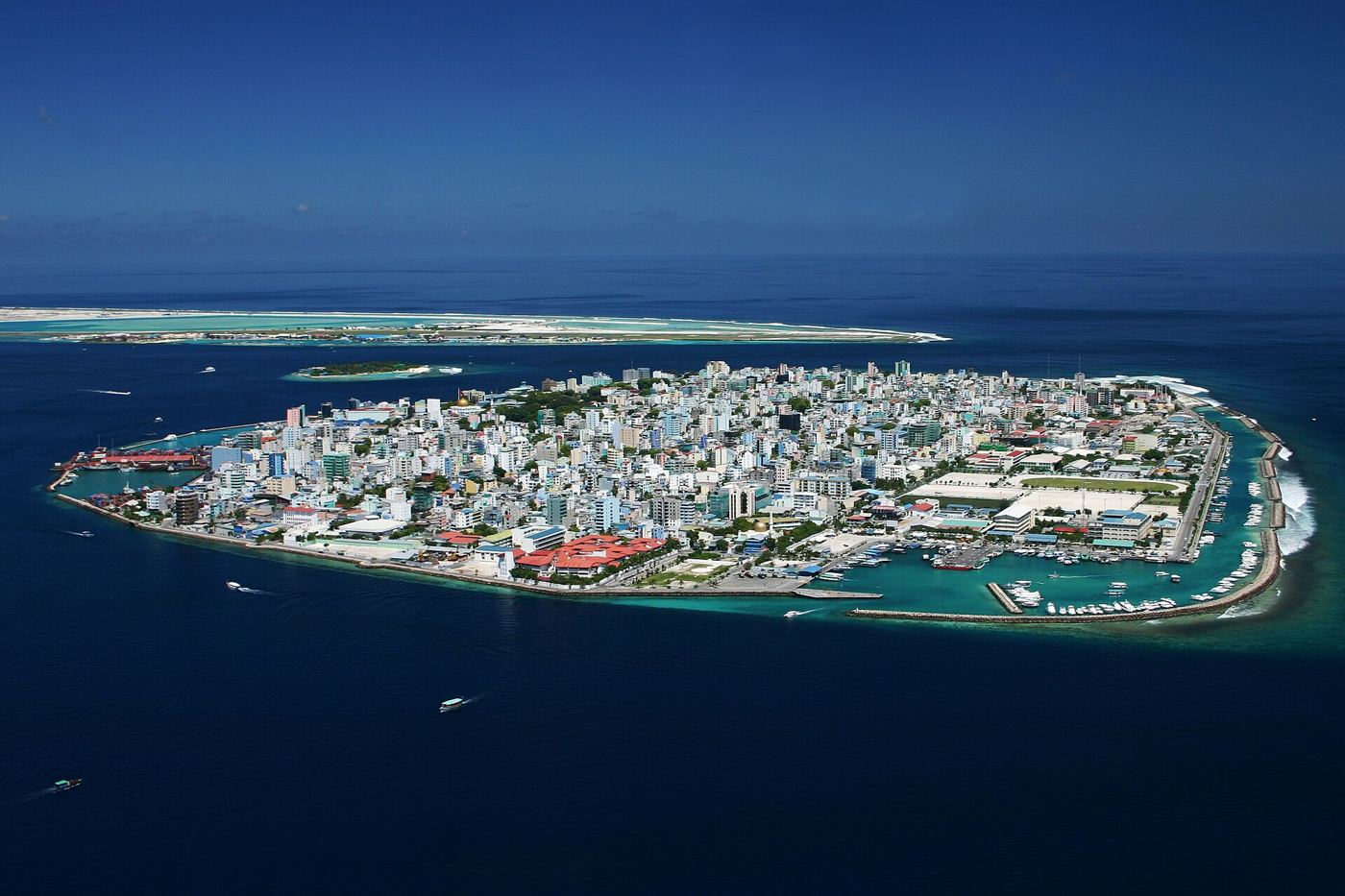
The Maldivian population presents a striking paradox. It is scattered across small islands separated by open ocean, yet also intensely urbanised: greater Malé — the capital together with Hulhumalé and nearby islands — holds roughly a third of the entire population on a few square kilometres, making Malé one of the most densely populated cities on earth. Many outer islands, by contrast, are home to only a few hundred people. Internal migration toward the capital for jobs, schooling and healthcare is a defining social force, which reclamation projects like Hulhumalé were designed to relieve.
Who Maldivians are
Maldivians, or Dhivehin, trace their ancestry to waves of settlement from the Indian subcontinent and Sri Lanka, with historical admixture from Arab, Malay and East African seafarers along ancient trade routes. The result is a distinct people with their own language, script and customs, unified to an unusual degree: one language, one religion (Sunni Islam, the state religion) and a shared island culture across the atolls.
Language: Dhivehi and its script
Dhivehi, an Indo-Aryan language most closely related to Sinhala, is spoken throughout the country, with regional dialects in the southern atolls. It is written in Thaana, a unique script that runs right to left. English is widely spoken, taught in schools and used extensively in tourism, business and government.
Society and daily life
Island communities are close-knit, organised around family, mosque, school and harbour. Fishing and boat-building shaped traditional male work; women have long managed households and processing of fish, and today participate broadly in education and employment. The population is young, literacy is high by regional standards, and football and cricket stir the loudest passions. Guest workers, particularly from Bangladesh, India and Sri Lanka, form a significant share of the workforce, especially in construction and tourism.
Names and identity
Maldivians commonly carry given names followed by family or house names, and many use patronymic-style combinations. Nicknames and house names often matter more in island life than official surnames.
FAQ
What is the population of the Maldives?
Around half a million people, roughly a third of whom live in the greater Malé capital region.
What language do Maldivians speak?
Dhivehi, written in the right-to-left Thaana script. English is widely understood, especially in the capital and tourism areas.
What religion do Maldivians follow?
Sunni Islam is the state religion and is observed nationwide; it has shaped Maldivian law, culture and daily rhythm since the country converted in 1153.