The Economy of the Maldives: Tourism, Fishing and Beyond
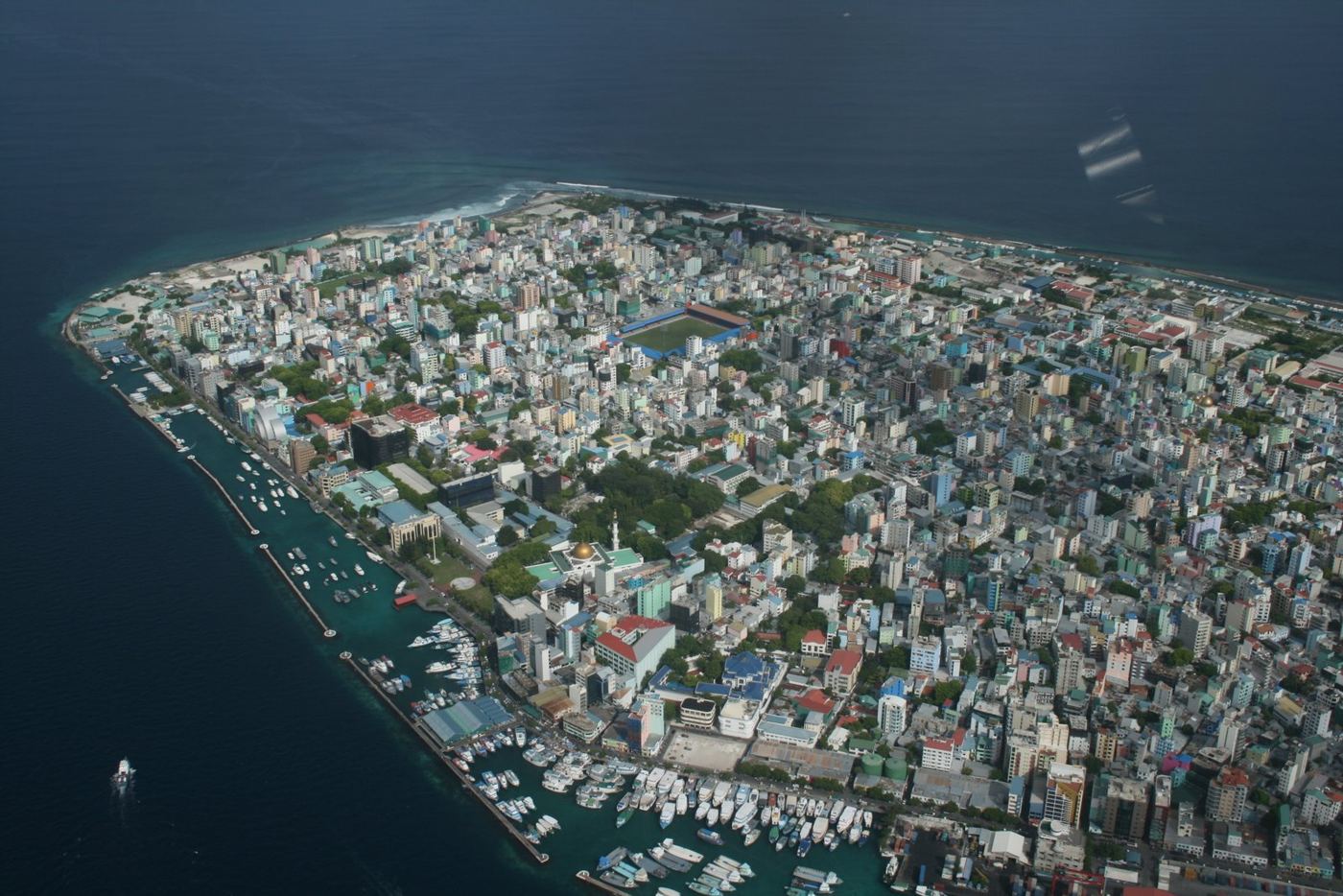
The Maldives runs one of the most tourism-dependent economies on earth, layered over a fishing tradition that fed and funded the islands for centuries before the first resort opened. Understanding these two industries — and the vulnerabilities that come with them — explains most of modern Maldivian economic life.
Tourism: the dominant engine
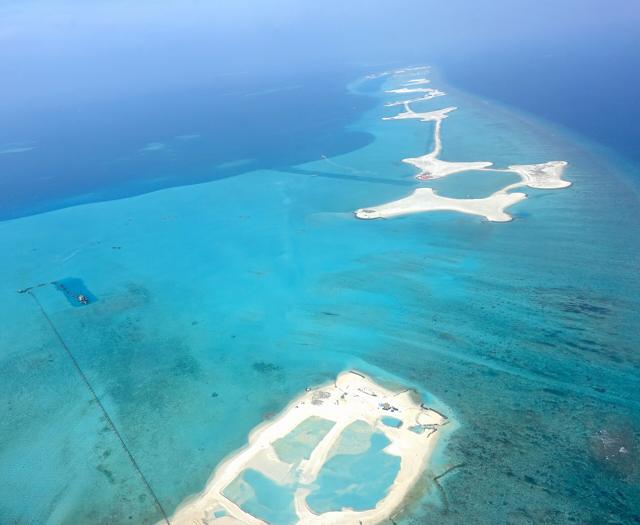
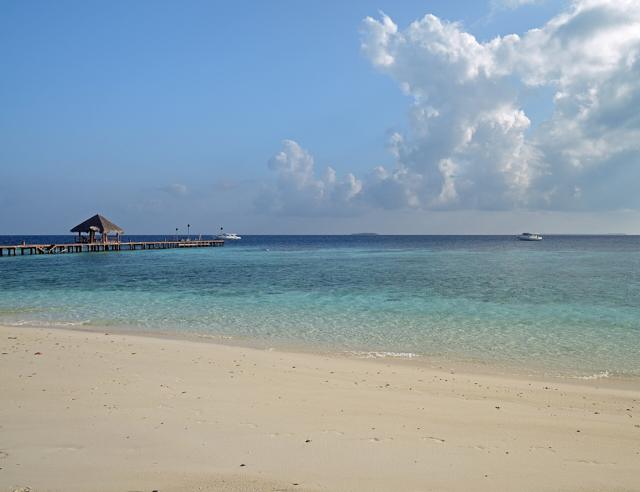
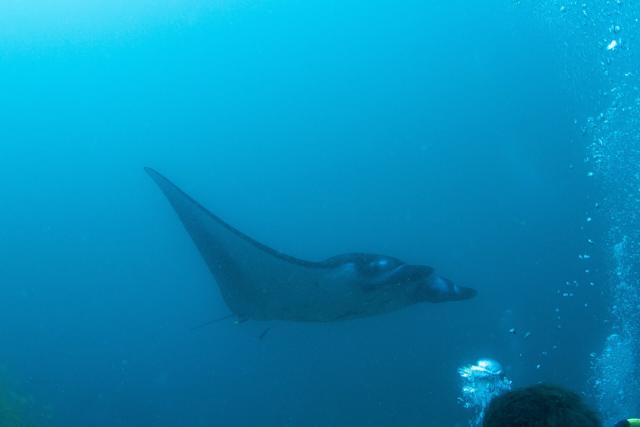
Since Kurumba, the first resort, opened in 1972, tourism has grown into the largest sector of the economy, the biggest earner of foreign exchange and a major contributor to government revenue. The industry spans well over a hundred resort islands, a large guesthouse sector on inhabited islands, and a liveaboard diving fleet. Directly and indirectly — through construction, transport, supply and services — tourism touches a substantial share of all employment. High-spending visitors make the Maldives a textbook case of luxury tourism as national strategy, while the post-2009 guesthouse boom broadened the market to budget travellers.
Fishing: the traditional backbone
Before tourism, fish was the economy. Tuna — caught by pole and line, one fish at a time — remains the flagship: skipjack and yellowfin are processed, canned and exported, and fishing continues to employ a significant share of islanders, particularly outside the capital region. Dried Maldive fish was a famed export across the Indian Ocean for centuries. The industry's sustainable reputation, built on its low-bycatch methods and the country's shark fishing ban, has become a selling point in international markets.
What the Maldives imports
Coral islands grow little, so the country imports the bulk of its food, fuel and manufactured goods. This dependence makes the economy sensitive to global prices and shipping costs, and it is why tourism receipts matter so much: they pay the import bill.
Vulnerabilities
- Shock exposure — events that halt travel, from the 2004 tsunami to the global pandemic in 2020, hit national income immediately and hard.
- Climate risk — as one of the world's lowest-lying countries, the Maldives faces long-term threats to the very islands its economy is built on.
- Concentration — with two dominant sectors, diversification remains a perennial policy goal.
The everyday economy
Beyond the headline industries sit construction, shipping, banking and a growing services sector centred on Malé and Hulhumalé. The currency is the rufiyaa, though US dollars circulate freely in tourism. Remittances flow outward too: the industry employs many guest workers from across South Asia.
FAQ
What is the biggest industry in the Maldives?
Tourism, by a clear margin — it is the largest sector, the main foreign-exchange earner and a principal source of government revenue.
What does the Maldives export?
Fish, overwhelmingly — fresh, frozen, dried and canned tuna lead the export list.
What currency is used in the Maldives?
The Maldivian rufiyaa (MVR). US dollars are widely accepted throughout the tourism sector.