Seafood in the Maldives: From Pole-and-Line Tuna to Reef Fish
No country is more defined by seafood than the Maldives. With the ocean on every doorstep and farmland almost non-existent, fish has been the backbone of the Maldivian diet for as long as the islands have been inhabited. Understanding the seafood here means understanding the country itself.
Tuna above all
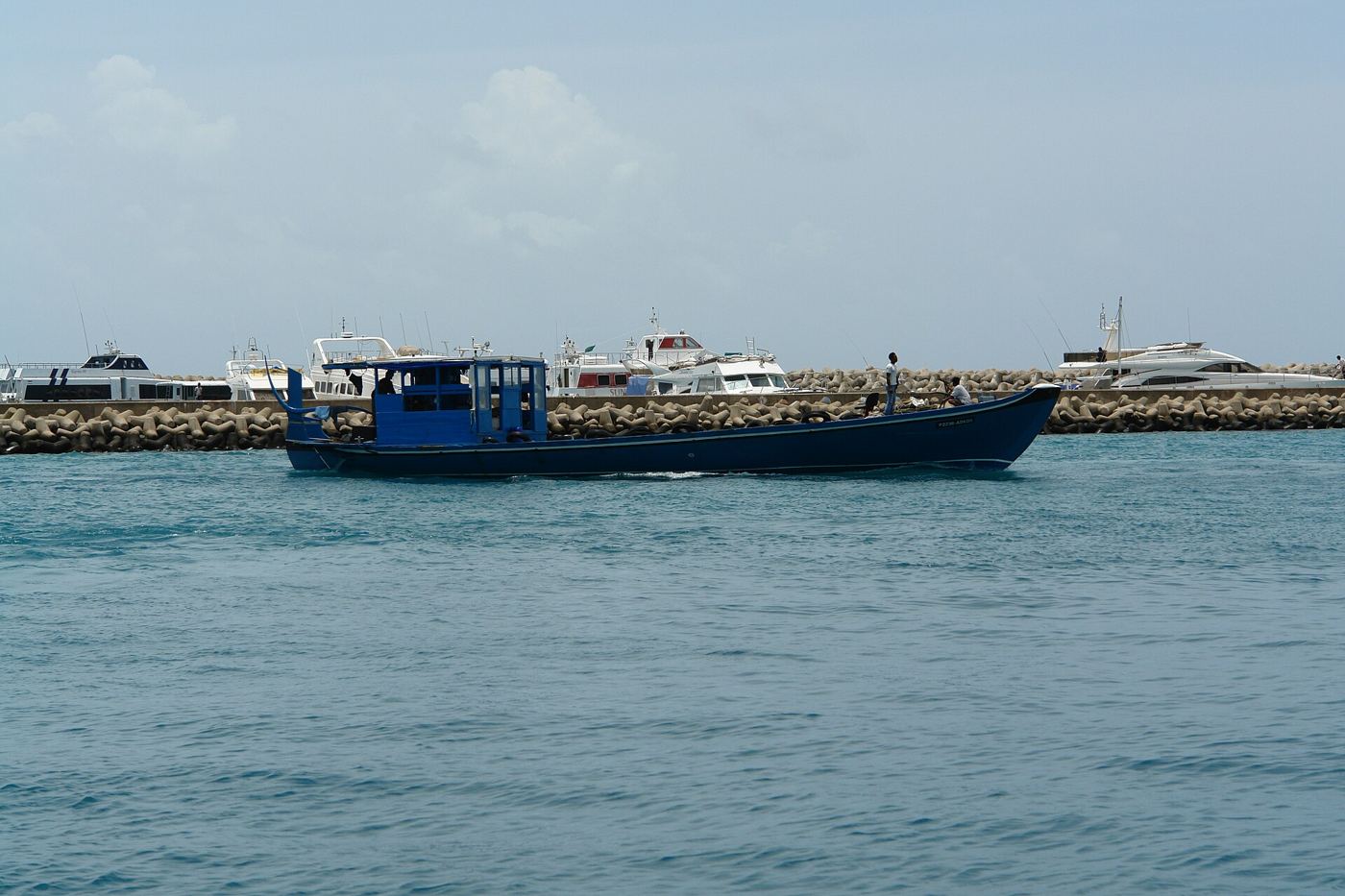
Skipjack tuna is the national staple, supported by yellowfin and other species. Maldivians have traditionally caught tuna by pole and line — one fisherman, one rod, one fish at a time. The method uses live bait and hand-hauled catches, and it is widely recognised as one of the more sustainable commercial fishing techniques because it largely avoids bycatch. Fishing remains a cornerstone of the economy and identity, and the dhoni fishing boat is a national symbol.
The many lives of a tuna
A single fish appears across the Maldivian kitchen in remarkably different forms:
- Fresh — boiled for garudhiya broth or simmered into curries.
- Valhoamas — smoked and dried until firm, then shredded for mas huni and fillings.
- Hikimas — fully dried tuna, hard and long-keeping, historically a major export sometimes called Maldive fish in Sri Lankan cooking.
- Rihaakuru — the dark, thick paste created by reducing fish broth for hours, spread on roshi or stirred through rice.
Beyond tuna
Reef fish such as grouper, snapper and jackfish appear grilled and curried, particularly in guesthouse and resort barbecues. Octopus and squid feature in some island dishes. It is worth knowing that many reef species and all turtles are protected in Maldivian waters, and responsible operators serve pelagic species like tuna and wahoo rather than pressuring reef stocks.
Seafood for visitors
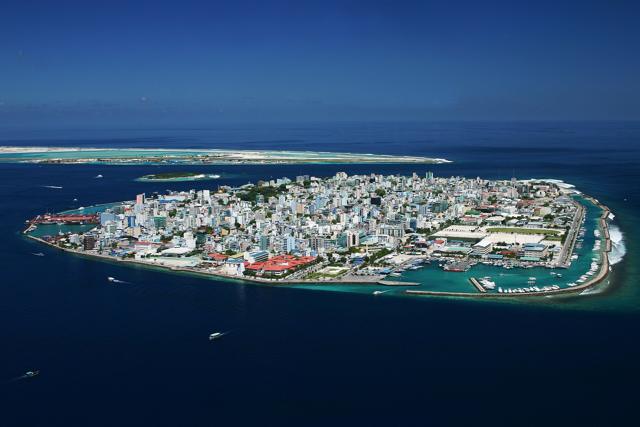
Resorts serve seafood in every style imaginable, but the most memorable experiences are often simpler: a beach barbecue of freshly caught fish on a local island, grilled tuna at a Malé café, or a guesthouse dinner of fish curry with roshi. Sunset fishing trips, offered nearly everywhere, often end with your own catch cooked for dinner.
A word on sustainability
The Maldives has banned shark fishing in its waters, and turtles are legally protected. Choosing tuna and other open-ocean fish, and avoiding anything sourced from vulnerable reef species, keeps your plate aligned with the health of the reefs you came to see.
FAQ
What fish do Maldivians eat most?
Skipjack tuna, by a wide margin, followed by yellowfin tuna and various reef fish.
What is pole-and-line fishing?
A traditional method where fishermen catch tuna individually using a pole, line and barbless hook, hauling each fish aboard by hand. It produces minimal bycatch.
Is shark on the menu in the Maldives?
No. Shark fishing is banned in Maldivian waters, and sharks are worth far more alive to the diving economy than they ever were as catch.