Sea Turtles of the Maldives: Species, Nesting and Where to See Them
Few sights sum up a healthy tropical reef like a sea turtle drifting unhurried over the coral. In the Maldives, turtles are a genuinely common encounter — many snorkellers meet one within their first day in the water. Several of the world's sea turtle species occur in Maldivian waters, and all of them are legally protected.
The species you are most likely to meet
Green turtle: The larger of the two commonly seen species, green turtles graze on seagrass and algae in lagoons and along reef edges. Adults can grow to well over a metre in shell length, and they are frequent residents of island house reefs.
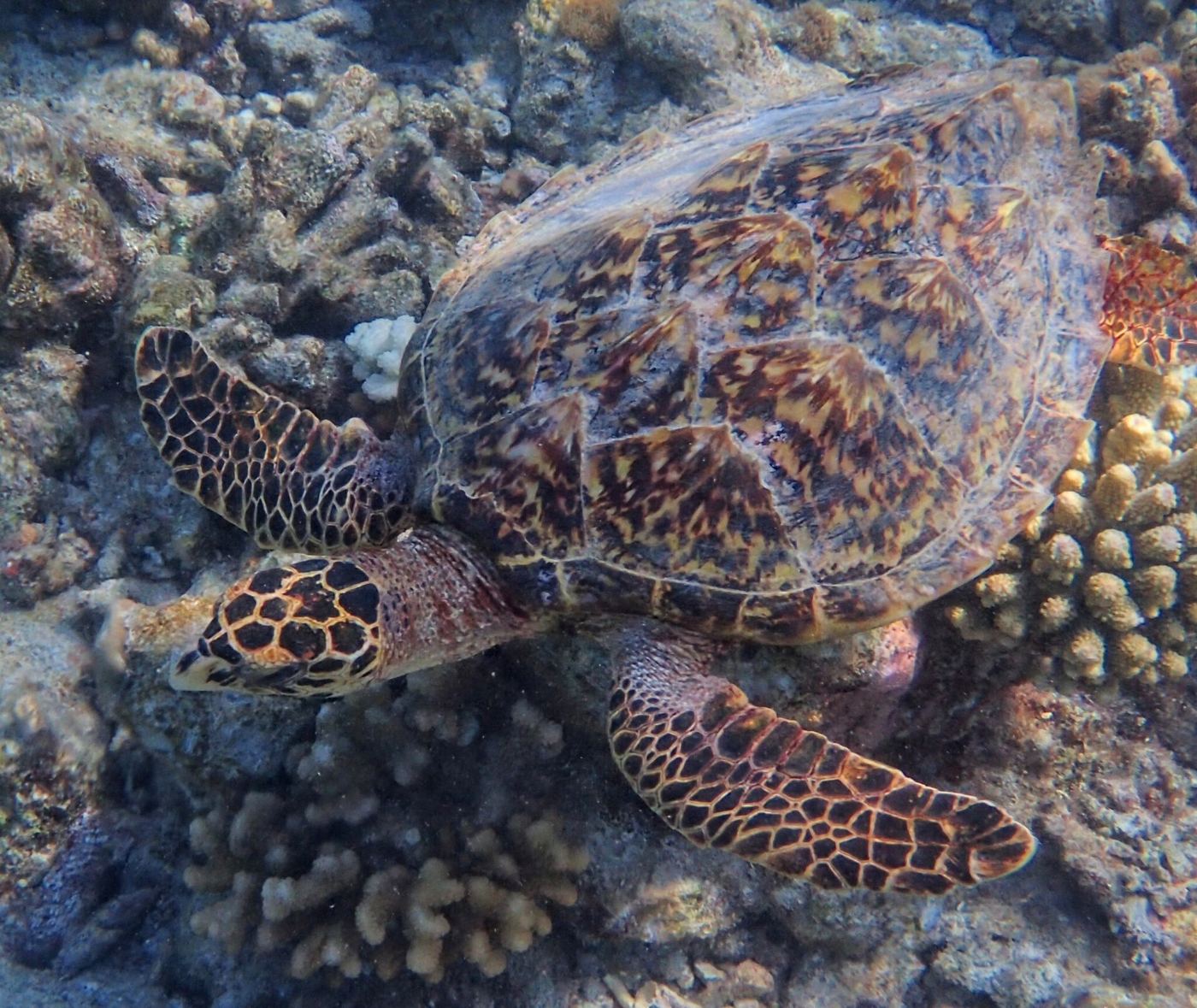
Hawksbill turtle: Slightly smaller, with a beautifully patterned shell and a distinctive beak-like mouth used to pick sponges and other food from crevices in the reef. Hawksbills are critically endangered globally, which makes the Maldives' healthy sightings especially precious.
Olive ridley turtle: Seen less often around the reefs, olive ridleys are an open-ocean species. Sadly, they are the turtle most frequently found entangled in drifting 'ghost nets' — abandoned fishing gear that floats across the Indian Ocean. Several Maldivian marine centres rescue and rehabilitate entangled olive ridleys.
Loggerhead and leatherback turtles pass through Maldivian waters but are rarely encountered by visitors.
Nesting on the islands
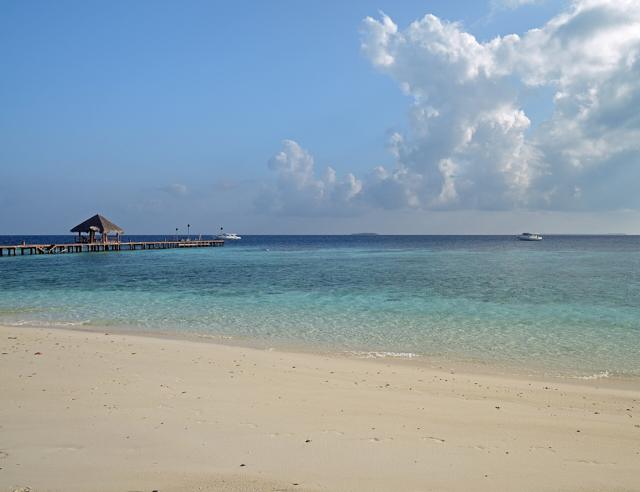
Turtles nest on Maldivian beaches year-round, with females hauling ashore at night to dig nests above the high-tide line. After roughly two months of incubation, hatchlings emerge — usually at night — and scramble to the sea. The temperature of the sand influences the sex of hatchlings, one reason conservationists watch warming trends closely. Some resorts and local islands protect known nests and manage lighting near beaches, since artificial light can disorient hatchlings heading for the water.
Where to see turtles
- House reefs everywhere: resident green and hawksbill turtles are common on good house reefs across all atolls
- Seagrass lagoons: green turtles graze in shallow seagrass beds — some islands treasure these meadows precisely because they attract turtles
- Named turtle sites: many atolls have dive and snorkel sites known for reliable turtle populations, and guides know individual residents by sight
Turtle etiquette
Turtles are protected in the Maldives, and simple rules keep encounters safe for them: keep a couple of metres' distance, never touch or ride a turtle, don't block its path to the surface — turtles breathe air and must come up — and avoid crowding a resting animal. A calm snorkeller is often rewarded with a long, close encounter on the turtle's own terms.
Conservation efforts
Turtle conservation in the Maldives includes protection of nesting beaches, rehabilitation centres treating injured and entangled turtles, and photo-identification projects that recognise individuals by the unique scale patterns on their faces. Visitors can support this work by reporting sightings to their guides and choosing operators involved in conservation.
FAQ
Which turtles are most common in the Maldives?
Green turtles and hawksbill turtles are by far the most commonly seen species on Maldivian reefs. Olive ridleys occur in open water, while loggerheads and leatherbacks are rare visitors.
Can you swim with turtles in the Maldives?
Yes — turtles are regularly encountered while snorkelling and diving, often right on an island's house reef. Keep your distance, avoid touching them, and never obstruct their path to the surface.
Are sea turtles protected in the Maldives?
Yes. Sea turtles are legally protected in the Maldives, and harming turtles or taking eggs is prohibited.