Swimming With Whale Sharks Responsibly: Rules & Etiquette
Looking for where and when to see them instead? Read our whale sharks in the Maldives guide.
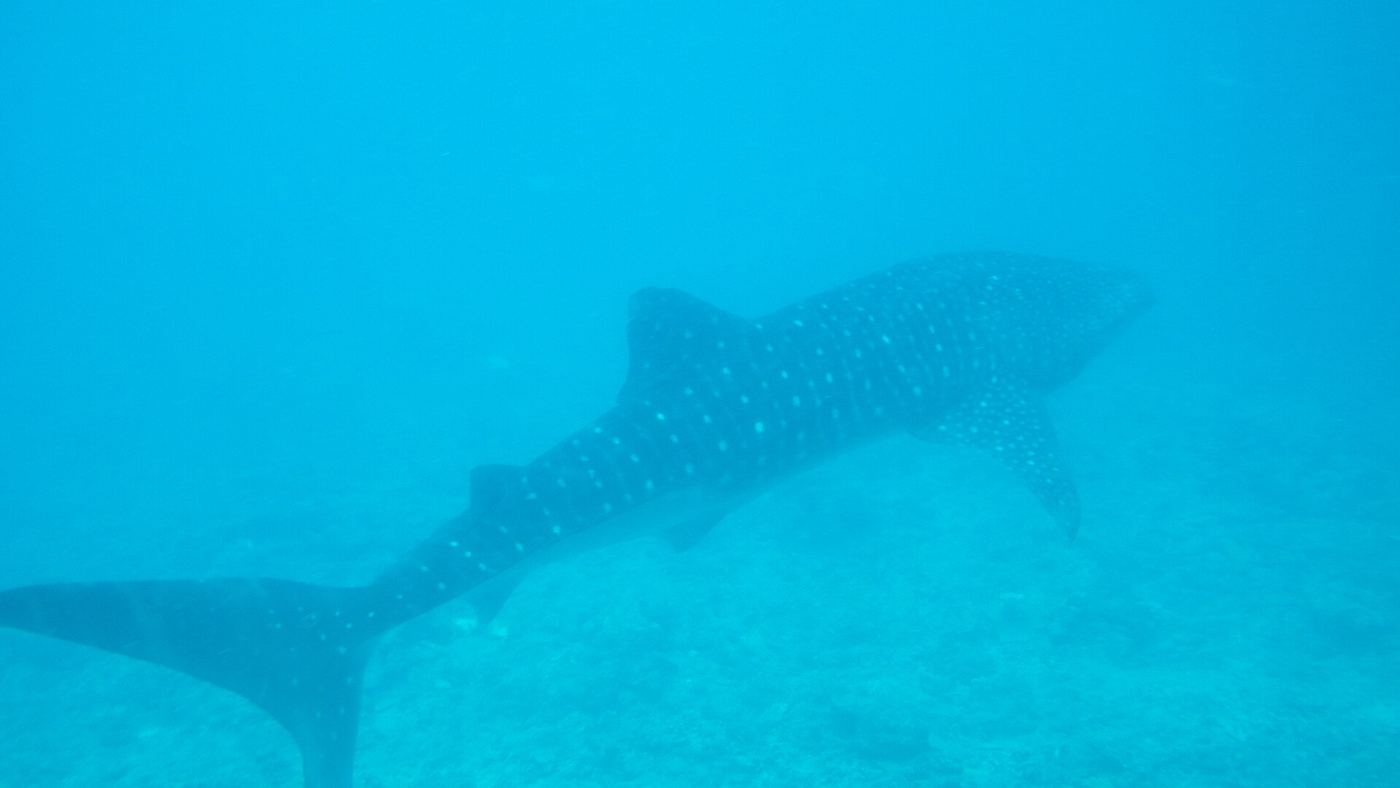
The whale shark is the largest fish in the sea, a filter-feeding giant that can exceed ten metres in length, and the Maldives is one of the world's most reliable places to swim alongside one. Uniquely, the country hosts whale sharks year-round, with the southern edge of South Ari Atoll (Alif Dhaal) so consistently productive that the area has been designated a marine protected area specifically for them.
Why the Maldives has whale sharks all year
Many whale shark destinations see animals only in seasonal windows tied to spawning or plankton events. The Maldivian aggregation is different: the sharks, largely juvenile males, appear to use the reef edges as a developmental habitat, cruising the drop-offs where plankton concentrates. During the northeast monsoon they are typically found on western atoll edges and during the southwest monsoon on eastern edges, following the plankton-bearing currents, but they never leave entirely.
How encounters work
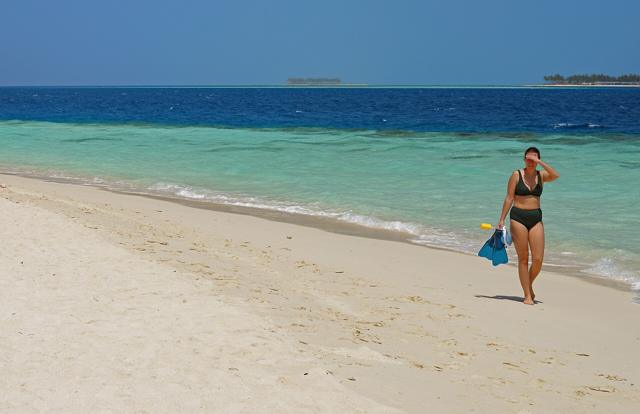
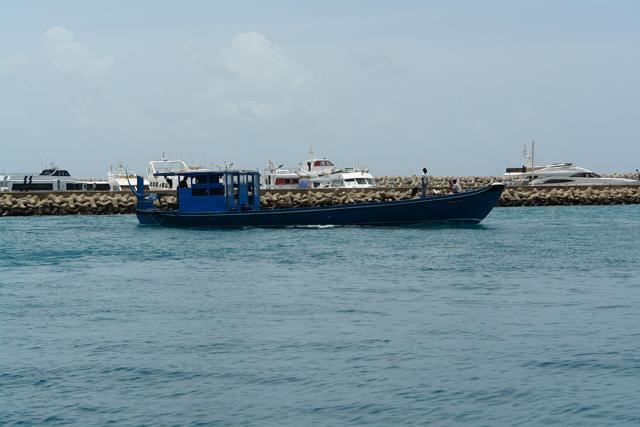
Whale shark excursions run daily from resorts and guesthouses in and around South Ari Atoll. Boats cruise the outer reef while spotters watch for the shadow of a shark near the surface. When one is found, guests slip into the water with mask, snorkel and fins, no scuba required, because the animals often swim within metres of the surface. Swimmers then keep pace alongside the shark, which usually cruises unhurried, apparently indifferent to its escort.
The rules that protect the animals
Encounter guidelines in Maldivian whale shark territory are clear and are increasingly enforced:
- Never touch or ride a whale shark under any circumstances
- Keep a minimum distance, commonly advised as around three metres from the body and further from the tail
- Do not block the animal's path, dive onto it, or use flash photography
- Enter the water quietly and limit swimmer numbers around a single animal
- Boats must approach slowly and never drive over a shark; propeller strikes are a documented cause of injuries, and many Maldivian whale sharks bear scars
These rules exist because harassment changes shark behaviour and drives animals away from the very sites that depend on them. Choosing an operator that briefs guests thoroughly and refuses to crowd animals is the single biggest contribution a visitor can make.
Managing expectations
Sightings are frequent but wild: some days deliver multiple sharks, others none. The animals are harmless to humans, feeding on plankton and small fish, but their size demands respect and calm in the water. Confident snorkelling ability helps, as encounters happen in open water along the reef edge.
FAQ
Where is the best place to see whale sharks in the Maldives?
The southern reef edge of South Ari Atoll is the most famous and consistent area, protected as a marine protected area, with encounters possible year-round.
Is it safe to swim with whale sharks?
Yes. Whale sharks are filter feeders and pose no threat to humans. The safety rules exist mostly to protect the sharks from people and boats.
Do I need to scuba dive to see one?
No. Most encounters are snorkelling encounters at the surface, where the sharks commonly cruise, and no diving qualification is required.