Visiting Local Islands: What to Expect
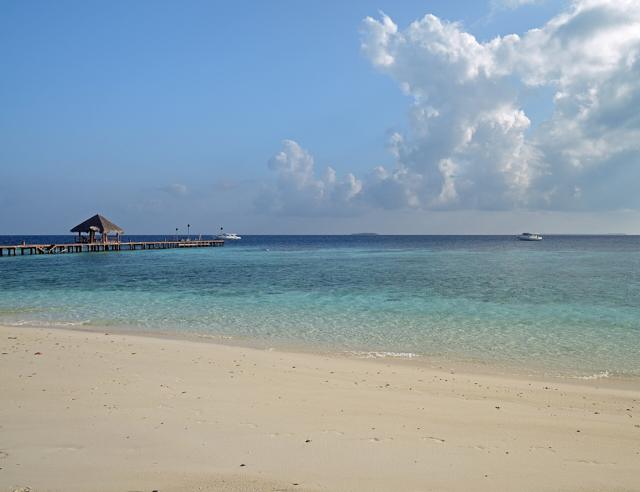
For decades, tourism in the Maldives happened almost entirely on self-contained resort islands, with one island per resort and little contact with everyday Maldivian life. That changed after 2009, when regulations allowed guesthouses to open on inhabited islands. Today, visiting or staying on a local island is one of the best ways to experience the country as a place where people actually live, not just a postcard.
What a local island is
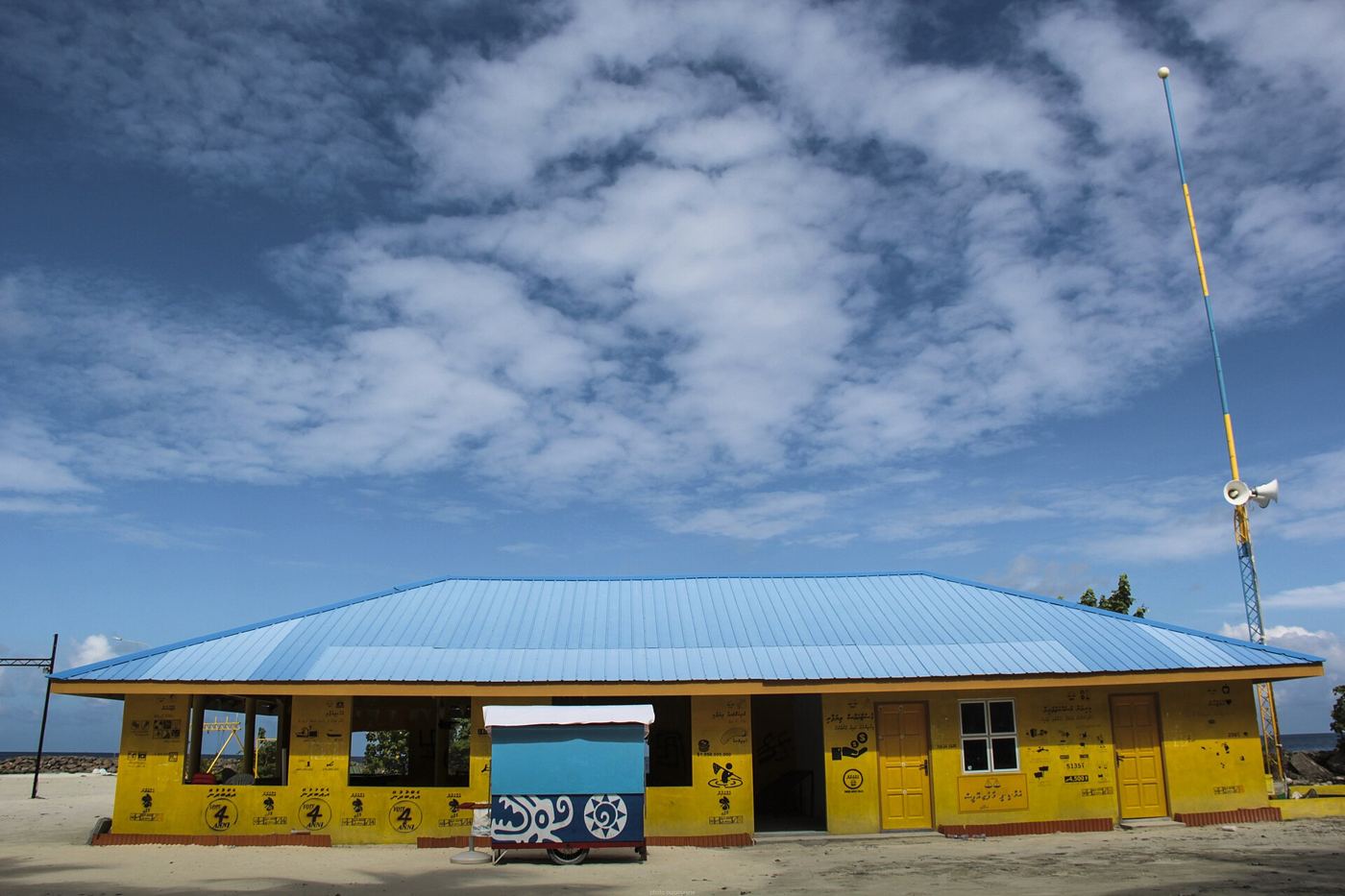
Of the Maldives' roughly 1,190 islands, fewer than 200 are inhabited by local communities. A typical local island has a harbour, a mosque, a school, a health post, small shops, cafes and guesthouses, all within a few minutes' walk. Streets are often sand, transport is mostly on foot or by motorbike, and life follows the rhythms of fishing, ferries and prayer times.
Culture and etiquette
The Maldives is an Islamic nation, and on inhabited islands local norms apply:
- Dress modestly in the village: shoulders and thighs covered for both men and women is a respectful baseline.
- Bikini beaches: most tourism islands designate a separate beach where swimwear is permitted. Outside these zones, swimwear is not acceptable.
- Alcohol is not available on inhabited islands; it is served only on resort islands and vessels holding licences.
- During Ramadan, eating and drinking in public during daylight is discouraged; cafes may close until sunset.
- Ask before photographing people, and be mindful around mosques and prayer times, especially Friday midday prayers.
What there is to do
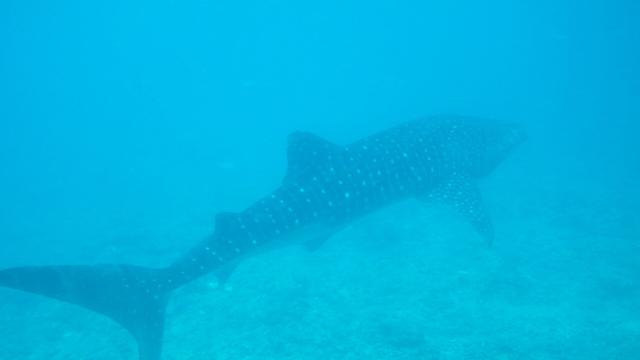
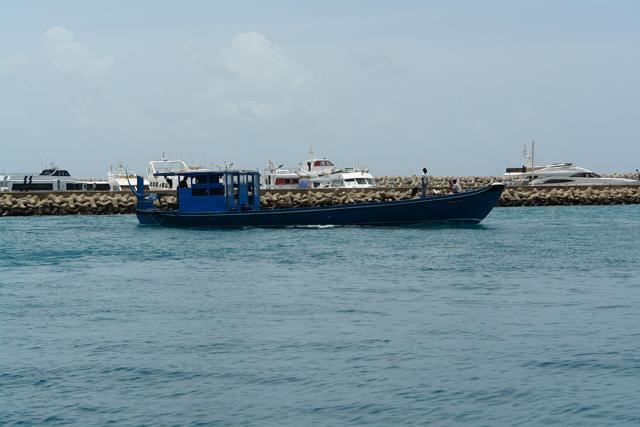
Guesthouse islands have built impressive excursion offerings: snorkelling and diving trips, sandbank visits, dolphin cruises, fishing, and water sports, usually at prices well below resort equivalents. On the island itself, pleasures are simpler: cafes serving Maldivian short eats, joali fathi (the traditional woven hanging seats) by the beach, football matches at dusk, and the harbour coming alive when fishing dhonis return.
Getting there
Local islands are connected by scheduled public ferries, speedboat services and, for further-flung atolls, domestic flights. Ferries are inexpensive and unhurried; speedboats cost more but cut travel times dramatically. Popular guesthouse islands near Malé, such as Maafushi in South Malé Atoll and Thulusdhoo in North Malé Atoll, are reachable by speedboat from the capital in under an hour.
Why it is worth it
Staying local costs a fraction of a resort holiday and funds flow directly into island communities. In exchange for observing a few cultural norms, visitors get genuine hospitality, excellent seafood, the same turquoise water, and a view of Maldivian life that resort guests never see.
FAQ
Can tourists wear swimwear on local islands?
Only on designated bikini beaches. Elsewhere on inhabited islands, modest dress is expected for both men and women.
Is alcohol available on local islands?
No. Alcohol is only served at licensed resorts and on some liveaboard vessels, not on inhabited local islands.
Are local islands cheaper than resorts?
Substantially. Guesthouse accommodation, food and excursions on local islands typically cost a fraction of resort prices, which has opened the Maldives to budget travellers.