Surfing in the Maldives
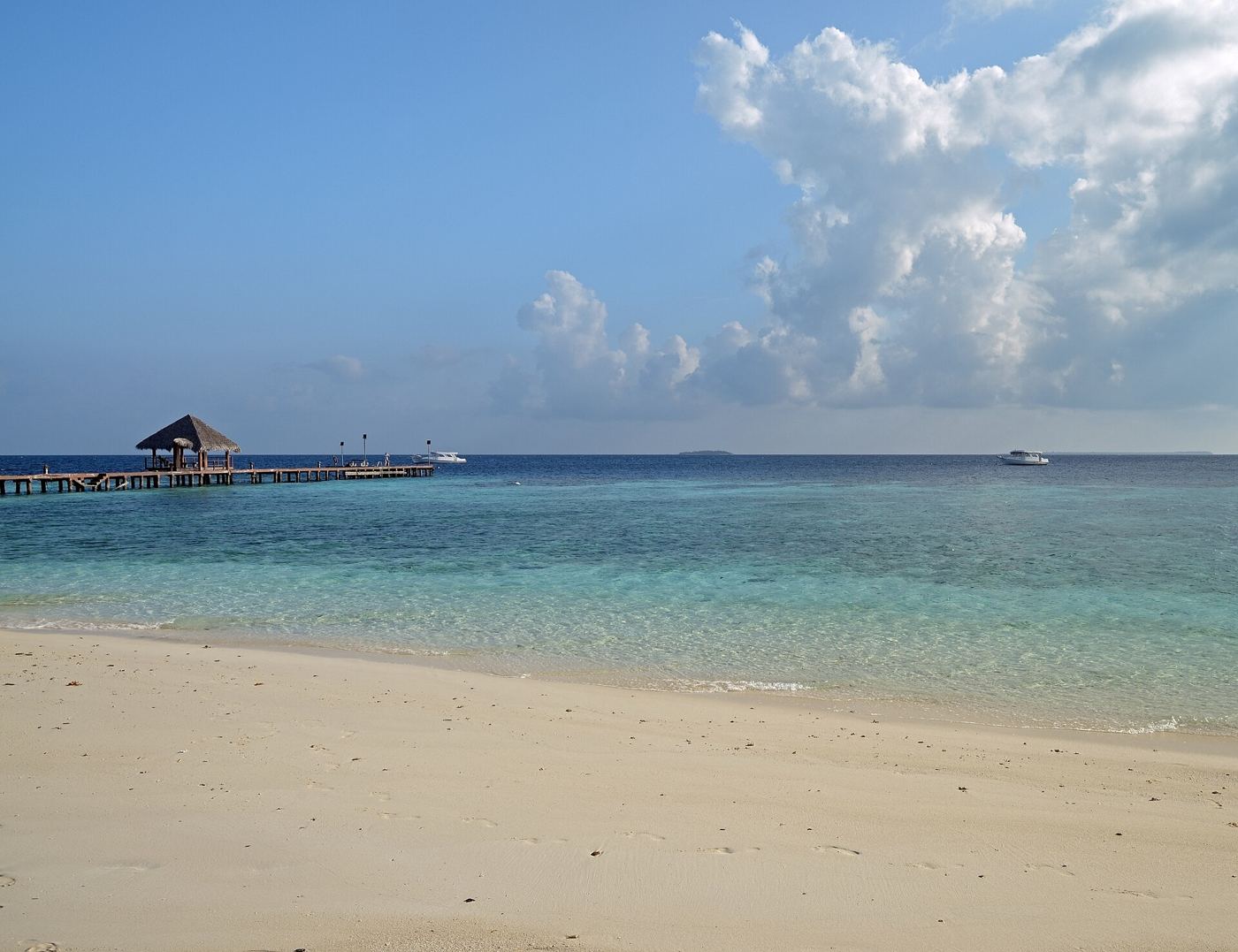
Surfing arrived relatively late in the Maldives, but the country has since earned a firm place on the world surf map. Its waves break over coral reefs at the edges of the atolls, shaped by swells generated far away in the Southern Ocean. The result is a warm-water surf destination known for clean, well-organised waves rather than raw size, with rides that peel predictably along reef passes.
The surf season
The main season runs roughly from April to October, when southern hemisphere swells arrive most consistently. The biggest surf typically lands between June and September, coinciding with the wetter southwest monsoon. Outside these months waves still arrive, but smaller and less reliably. Water stays warm all year, so a rash vest and reef-safe sunscreen replace the wetsuit, though reef booties are popular for shallow coral bottoms.
Where the waves are
The best-known surf zone is in and around North Malé Atoll, where a cluster of named breaks sits within boat range of the capital and the airport. Famous waves include Cokes and Chickens near the island of Thulusdhoo, along with breaks widely known as Sultans, Honky's and Jailbreaks. Further south, the atolls of the central Maldives and the far south around Addu offer less crowded waves for surfers on boat trips. Some breaks front resort islands and are managed with access arrangements, while others are reached by dhoni or speedboat.
Ways to surf the Maldives
- Surf resorts and guesthouses: stay on an island close to a break, with boat shuttles to nearby waves. Thulusdhoo, a local island, has become a hub for guesthouse-based surfing.
- Surf charters: liveaboard boats follow the swell between atolls, giving access to remote breaks and uncrowded sessions.
- Day trips: surfers staying near Malé can reach several quality waves by boat within the day.
Skill level and hazards
Most Maldivian waves break over shallow, living coral reef, which raises the stakes compared with beach breaks. The waves themselves are often described as user-friendly for a reef destination, with defined channels and mechanical walls, but they are best suited to surfers of intermediate level and above. Hazards include shallow reef, strong currents in passes and sun exposure. Reef cuts should be cleaned promptly, as coral wounds infect easily in the tropics.
Etiquette and care for the reef
Line-ups at the famous breaks can get busy in peak season, and normal surf etiquette applies: respect priority, do not snake, and share waves. Because the breaks are living reef, avoid standing on coral when paddling in or out, and take all rubbish back with you. Local islands are inhabited Muslim communities, so modest dress applies away from designated tourist beaches.
FAQ
When is the best time to surf the Maldives?
April to October is the recognised season, with the largest and most consistent swells generally arriving between June and September.
Is the Maldives suitable for beginner surfers?
Mostly no. Waves break over shallow coral reef, so the destination suits intermediate and advanced surfers, although some smaller days and mellower breaks can suit progressing surfers with guidance.
Do I need a boat to go surfing?
Usually yes. Most breaks sit on reef passes away from the beach, and access is by dhoni or speedboat, though a handful of waves break directly in front of islands.