Scuba Diving in the Maldives
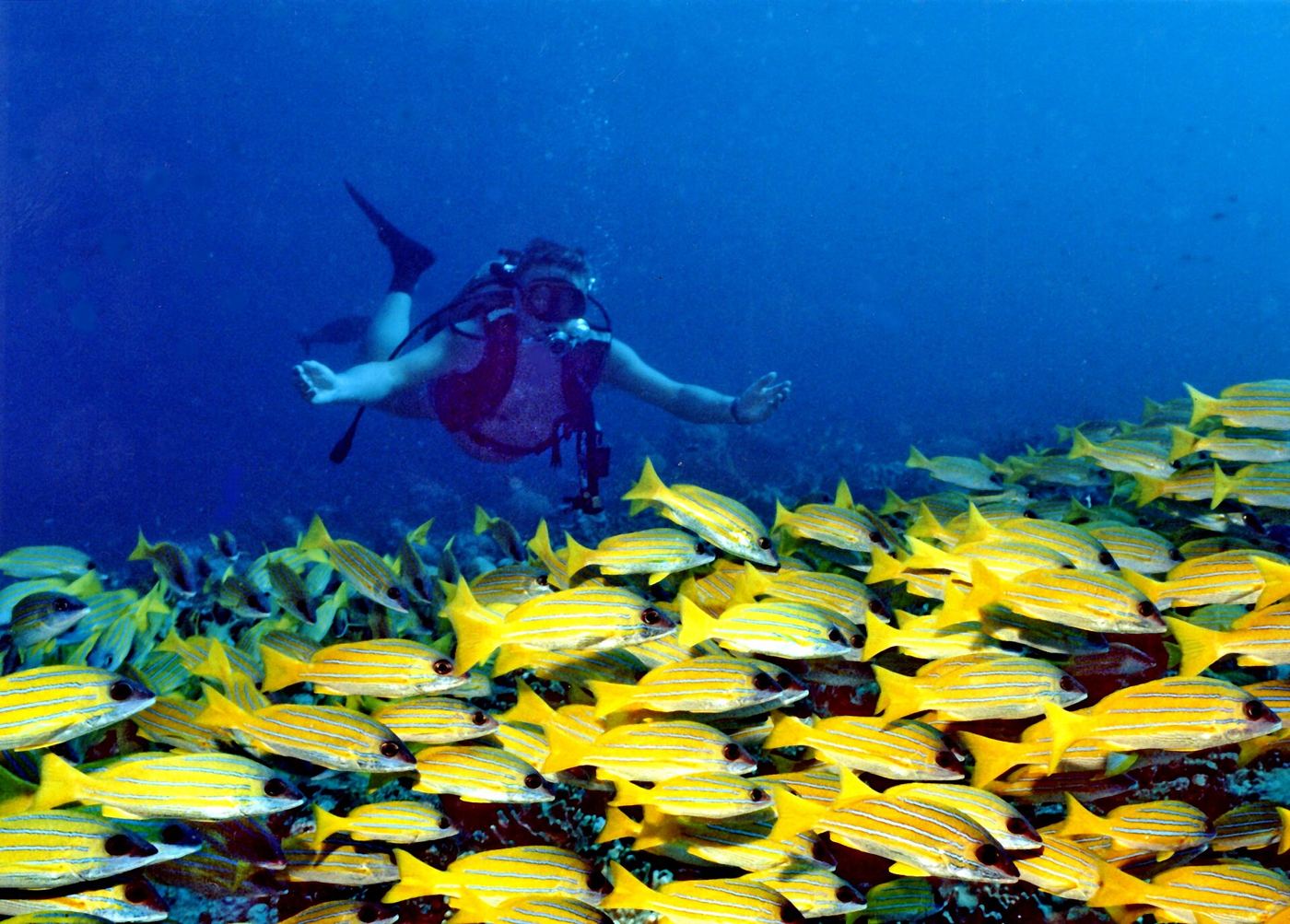
The Maldives is built for divers. The nation's 26 atolls are ring-shaped coral structures rising from deep ocean, and the constant exchange of water between open sea and lagoon creates nutrient-rich currents that feed everything from delicate soft corals to whale sharks, the largest fish in the sea. Diving here is less about a single famous site and more about an entire country of reefs, channels and pinnacles.
What makes Maldivian diving distinctive
Three features define diving in the Maldives. First, the channels (called kandus in Dhivehi) that cut through atoll rims, where currents concentrate sharks, rays and schooling fish. Second, thilas, submerged pinnacles that rise from the atoll floor and act as magnets for marine life. Third, the sheer reliability of big-animal encounters: reef sharks are seen on a large proportion of dives, and specific regions offer manta rays and whale sharks in season.
Signature marine life
- Grey reef, whitetip and blacktip reef sharks
- Manta rays, including seasonal aggregations in Baa and other atolls
- Whale sharks, seen year-round in South Ari Atoll
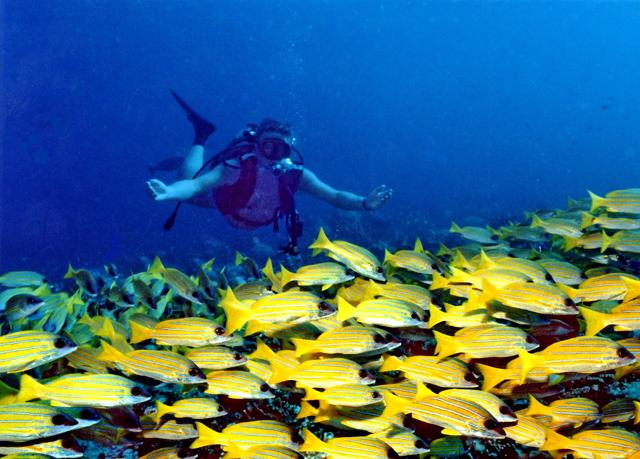
- Napoleon wrasse, turtles, eagle rays and vast schools of fusiliers and snapper
- Macro life such as nudibranchs, frogfish and ghost pipefish for keen-eyed divers
Experience levels and certification
Dive centres operate to international standards, and courses from beginner to professional level are widely available. Conditions range from gentle lagoon dives suitable for beginners to strong-current channel dives that demand experience and comfort with drift diving. Many advanced sites carry depth and certification requirements, and reputable centres will assess experience before challenging dives. Recreational diving in the Maldives is generally subject to a maximum depth limit of 30 metres.
Resort diving versus liveaboards
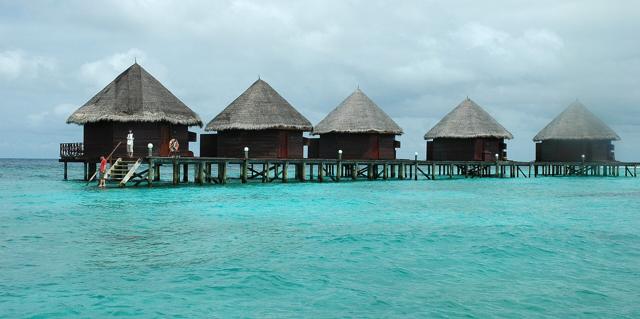
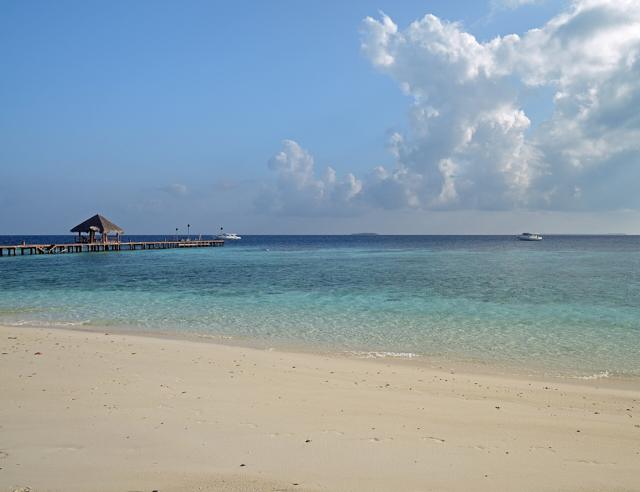
Divers can base themselves at a resort or guesthouse and dive nearby sites, or join a liveaboard, a boat-based dive safari that travels between atolls for a week or more. Liveaboards cover far more ground and typically visit famous channels and cleaning stations across several atolls, while island-based diving suits travellers combining diving with a holiday.
Responsible diving
Maldivian reefs have faced pressure from coral bleaching events, so diver behaviour matters. Maintain good buoyancy, never touch or hold coral, keep well clear of turtles, sharks and rays, and follow guide briefings at protected sites. Feeding or riding marine life is prohibited, and gloves are discouraged at many sites specifically to remove the temptation to touch.
FAQ
Do I need to be an advanced diver to dive the Maldives?
No. There are easy reef dives for beginners across the country, though the famous channel dives with strong currents are best suited to experienced divers.
When is the best diving season?
Diving runs year-round. December to April generally has the best visibility, while the southwest monsoon months bring plankton and more manta activity in certain atolls.
Are sharks dangerous in the Maldives?
The reef sharks divers encounter are not considered dangerous to humans and incidents are extremely rare. Divers are expected to observe without approaching or cornering the animals.