Photography in the Maldives: Tips and Etiquette
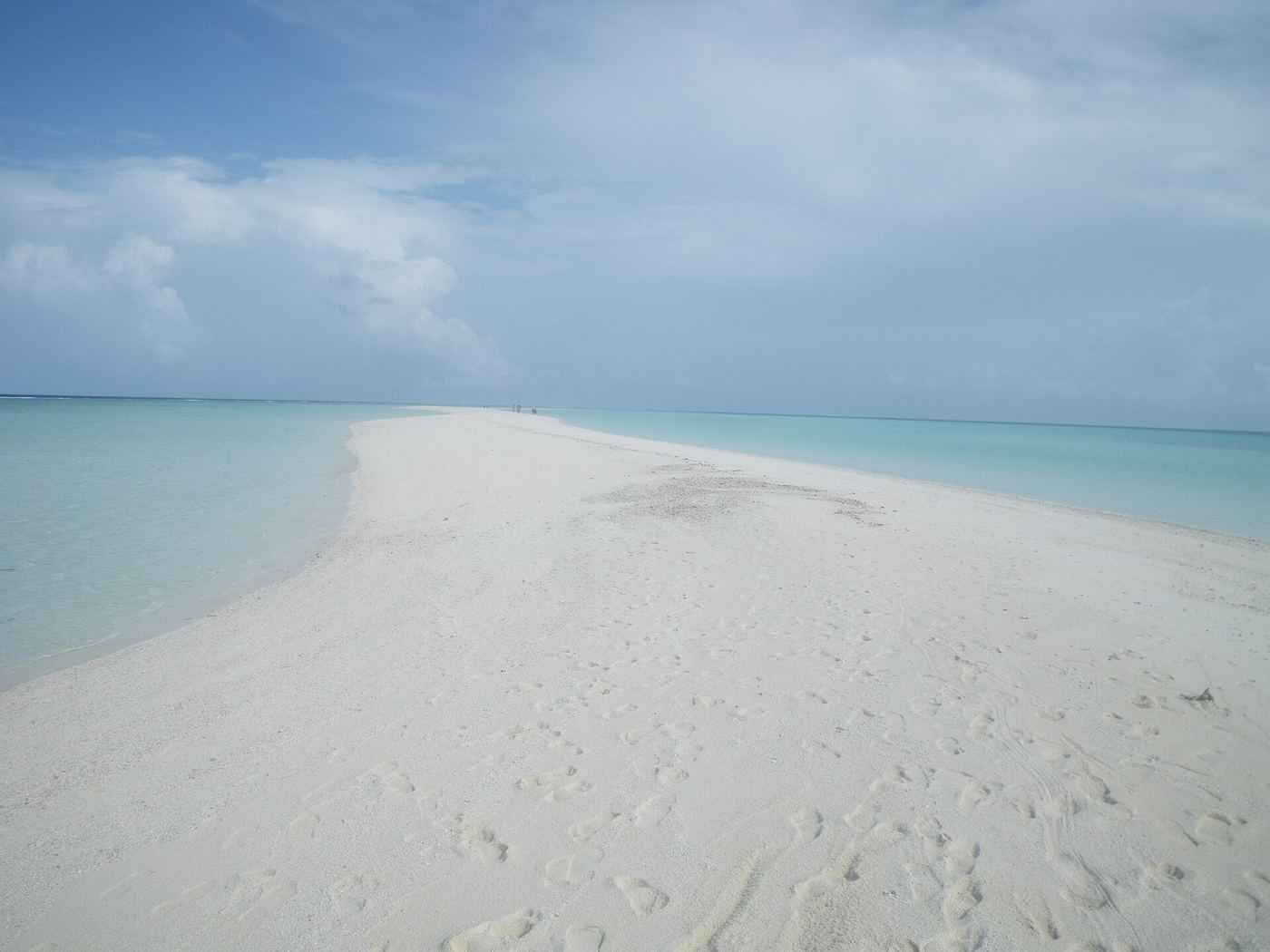
The Maldives may be the most photographed holiday destination on earth, and for good reason: ring-shaped reefs from the air, gradients of turquoise that look retouched straight out of camera, and light that turns soft and golden twice a day. Getting images you will love is not hard, but a little technique and a grasp of local etiquette go a long way.
The light
The equatorial sun climbs fast and sits high for most of the day, producing harsh contrast and blown highlights on white sand by mid-morning. The best windows are the hour after sunrise and the ninety minutes before sunset, when the low sun models texture in the water and sand. Midday is not wasted, though: high sun directly overhead is exactly what makes lagoon colours glow their most electric, especially from elevation.
Signature shots and how to get them
- The aerial atoll shot: seaplane transfers are the classic opportunity. Ask for a window seat, shoot with a fast shutter to beat vibration, and place the horizon deliberately.
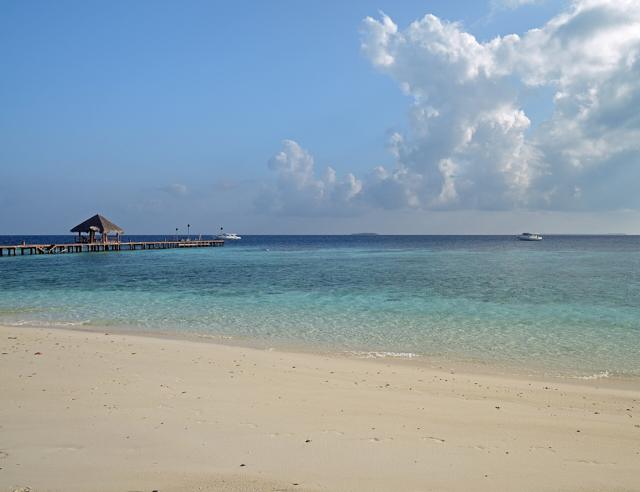
- The jetty leading line: shoot along a wooden jetty toward a villa or the horizon at dawn before footprints and foot traffic arrive.
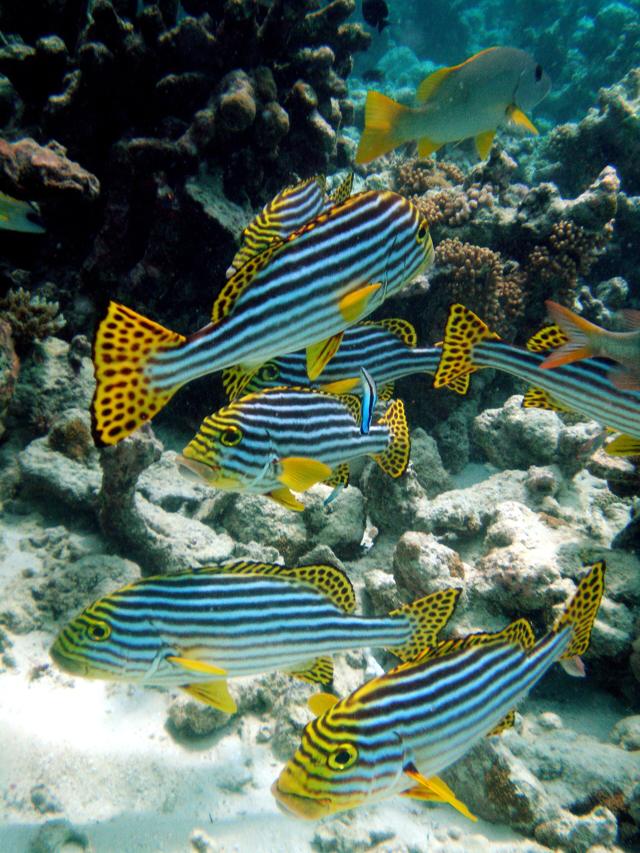
- Underwater: even a basic action camera or waterproof phone housing captures reef scenes in the shallow, bright water. Get close to your subject, shoot slightly upward, and favour morning light.
- Split-level (half in, half out): needs a dome port or large housing, calm water and patience, but defines the destination like nothing else.
- Night skies: low light pollution on remote islands makes for genuine astrophotography potential; a tripod and a wide fast lens are enough.
Drones
Drone rules in the Maldives are set nationally and applied locally: resorts commonly restrict or prohibit guest drone flights over villas for privacy, and flying near airports and seaplane lanes is forbidden. Always ask the resort or guesthouse first, keep clear of people and aircraft, and be prepared for some islands to say no outright.
Etiquette and the law
On inhabited islands, photograph people only with permission, be discreet around mosques and prayer times, and remember modest-dress norms apply to anyone in your frame as well as to you. Photographing inside mosques usually requires permission. On resort islands, respect other guests' privacy, especially around villas and pools; resorts enforce this seriously.
Protecting your gear
Salt spray, humidity, sand and boat transfers are the enemies. Use dry bags for transfers, silica sachets in camera bags, rinse housings in fresh water after every salt dip, and never change lenses on the beach in wind. Heat and condensation can fog lenses moving between air-conditioning and humid air; let gear acclimatise.
FAQ
Can I fly a drone at a Maldives resort?
Only with the property's permission. Many resorts restrict or ban drones for guest privacy, and flights near airports and seaplane routes are prohibited.
What camera do I need for the Maldives?
Any modern phone handles beach and lagoon scenes well. Add a waterproof housing or action camera for the reef, and a polarising filter deepens water colour dramatically.
Is it okay to photograph local people?
Ask first, always. Most people are gracious about it, but unsolicited photography, particularly of women and children on local islands, is poor manners.