Museums and Historic Sites of the Maldives
The Maldives is rarely sold as a heritage destination, yet the archipelago has been inhabited for well over two thousand years, sat astride Indian Ocean trade routes, passed through a Buddhist era, converted to Islam in 1153, and spent centuries as a sultanate. Traces of all of it survive for travellers willing to look beyond the lagoon.
The National Museum, Malé
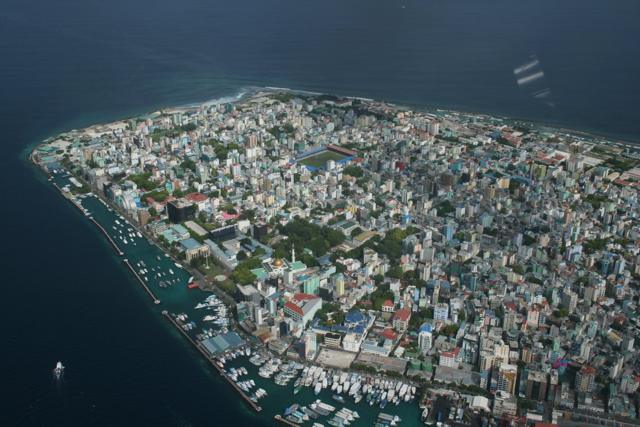
The country's flagship collection sits in Malé, within the grounds of the former Sultan's Palace. Exhibits include royal thrones, palanquins and ceremonial dress from the sultanate era, exquisite lacquerware, early Qurans, and pre-Islamic artefacts such as coral-stone Buddha heads recovered from mounds across the atolls. The museum offers the clearest single narrative of Maldivian history available anywhere.
Coral-stone mosques
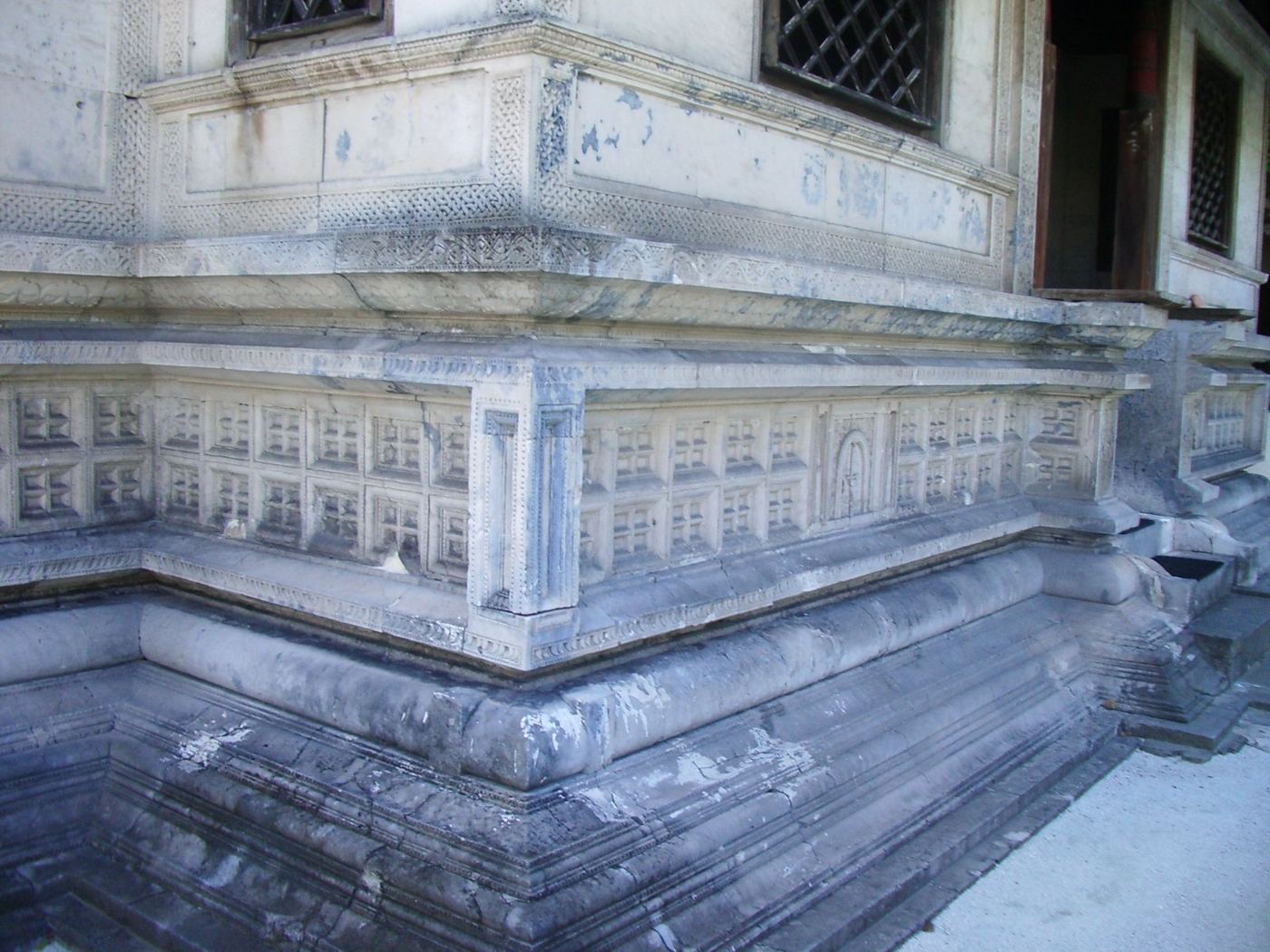
The Maldives' most distinctive architectural heritage is its coral-stone mosques, built from carved and fitted blocks of porite coral. The finest example is Hukuru Miskiy, the Old Friday Mosque in Malé, completed in 1658, decorated inside with lacquered woodwork and intricate calligraphy. A group of these mosques has been recognised on UNESCO's tentative World Heritage list as masterpieces of a building tradition found nowhere else in the world. Similar mosques survive on islands across the atolls, some still in daily use.
The Buddhist past
Before Islam, the Maldives was Buddhist for perhaps a millennium, and the atolls are dotted with havitta, the overgrown mounds of ruined stupas and monastic sites. Significant remains have been documented in the southern atolls, including sites in Addu and on islands such as Fuvahmulah, and excavated artefacts sit in the National Museum. Most sites are unrestored and low-key, but they testify to a deep pre-Islamic history that reshapes how you see the islands.
Utheemu: cradle of a national hero
In the far north, the island of Utheemu (Haa Alif Atoll) preserves the timber palace of Muhammad Thakurufaanu, the national hero who led the expulsion of Portuguese occupiers in the sixteenth century. The modest carved-wood residence, with its swing beds and lacquered interiors, is one of the country's most cherished historic buildings and a place of national pilgrimage.
Other sites worth knowing
- Kalhuvakaru Miskiy and other historic mosques relocated or preserved in Malé
- Eid Miskiy and island mosques with centuries-old cemeteries and carved gravestones
- Koagannu cemetery, Addu: among the oldest and largest burial grounds in the country, paired with historic mosques
FAQ
Does the Maldives really have pre-Islamic ruins?
Yes. Buddhist-era mounds and monastic remains, called havitta, exist across the atolls, especially in the south, and recovered artefacts are displayed in the National Museum in Malé.
What is special about coral-stone mosques?
They are built from precisely carved blocks of reef coral, a technique unique to the Maldives and recognised internationally as an exceptional architectural tradition, with Malé's 1658 Hukuru Miskiy the finest surviving example.
Can tourists visit historic mosques?
Often yes, outside prayer times, with modest dress and usually with permission or a guide. Rules vary by island and site, so ask locally first.