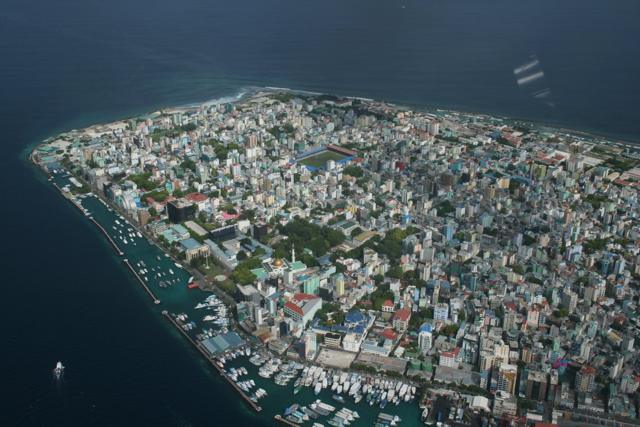
Fishing Trips in the Maldives
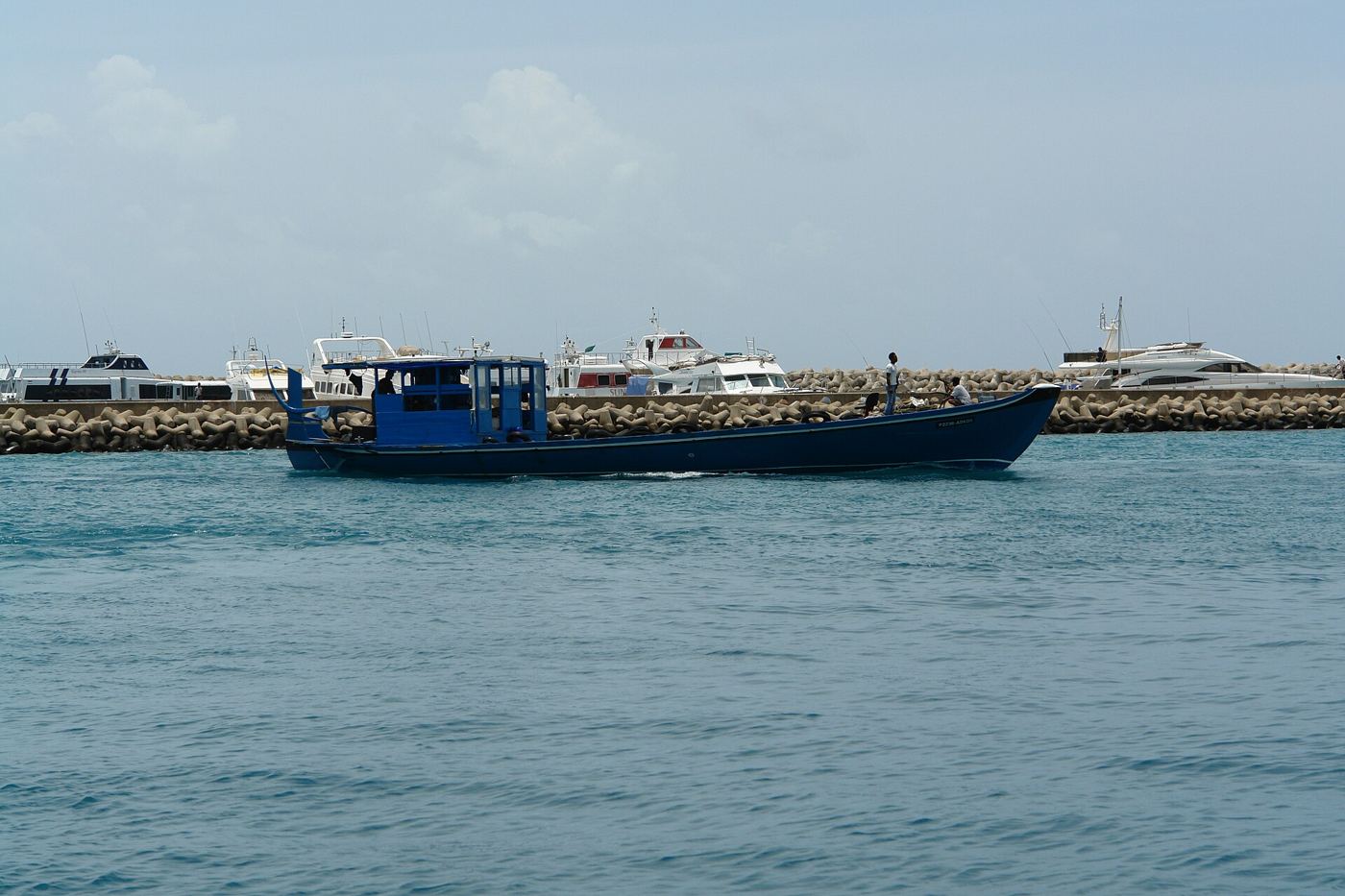
Long before tourism, fishing was the backbone of the Maldivian economy, and it remains the country's most important industry after tourism. The Maldives is famous for its traditional pole-and-line tuna fishery, a one-fish-at-a-time method regarded internationally as one of the most sustainable ways to catch tuna. For visitors, that heritage translates into a range of fishing experiences run from resorts, guesthouses and local boats.
Types of fishing trips
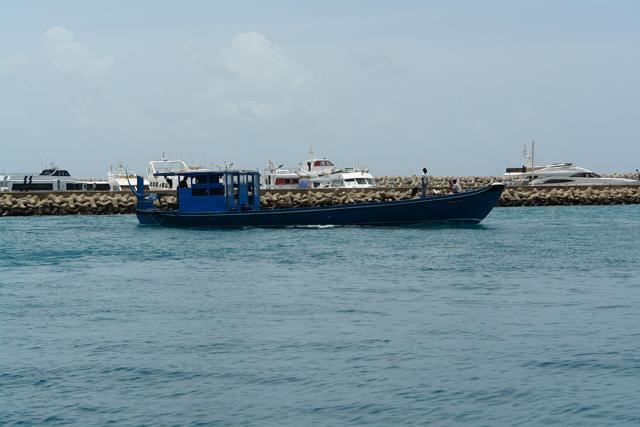
- Sunset or night handline fishing: the classic visitor experience. Guests fish the reef edge from a dhoni using simple handlines as the sun goes down, targeting species such as snapper, emperor and squirrelfish. Many resorts will cook your catch afterwards.
- Big game fishing: offshore trolling beyond the atoll rim for pelagic species including yellowfin tuna, wahoo, mahi-mahi (dorado) and sailfish. Trips run on equipped boats with fighting chairs and heavy tackle.
- Jigging and popping: sport-fishing techniques targeting giant trevally, dogtooth tuna and grouper around channels and outer reefs, popular with dedicated anglers.
- Traditional experience trips: some islands offer outings alongside local fishermen to see Maldivian techniques first-hand.
What makes Maldivian waters productive
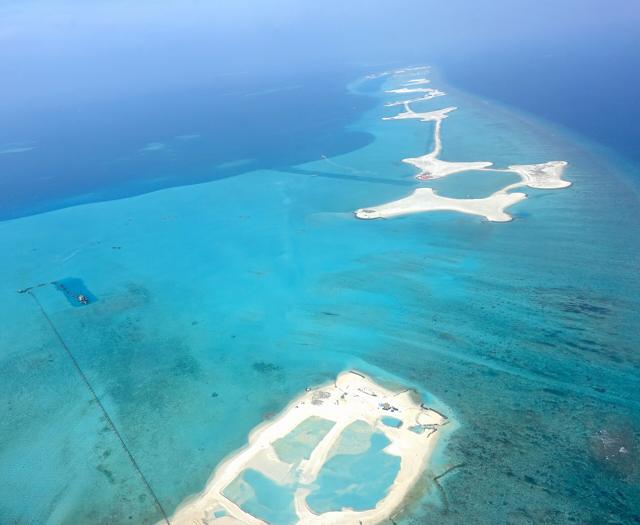
The atolls rise from deep ocean, so extremely deep water lies close to shore. Currents flowing through channels concentrate baitfish, which in turn attract predators. This geography means anglers can be fishing productive offshore water within a short boat ride, without long steaming times.
Rules and conservation
Fishing in the Maldives is regulated, and several points matter for visitors. Certain species are protected and must never be targeted or kept, including sharks, rays, turtles, whale sharks and Napoleon wrasse. Shark fishing has been banned in Maldivian waters since 2010. Spearfishing is prohibited, and fishing inside marine protected areas is restricted. Catch-and-release is encouraged for game species, particularly giant trevally and sailfish, and reputable operators follow careful handling practices. Reef fishing for the table is a normal part of local life, but taking coral, shells or protected species is illegal.
Practical notes
No fishing licence is required for guests joining organised trips; the operator handles compliance. Trips run year-round, with calmer seas typically from December to April. Seasickness medication is worth considering for offshore trips, as boats can roll beyond the lagoon. Sun protection, polarised sunglasses and light long sleeves make a day on the water far more comfortable.
FAQ
Can I keep what I catch?
On many reef-fishing trips, yes, within the rules, and resorts and guesthouses will often prepare your catch. Protected species must always be released, and game-fishing operators increasingly practise catch-and-release.
Is fishing good all year in the Maldives?
Fishing is productive year-round. Sea conditions are generally calmest during the northeast monsoon from December to April, which suits offshore trips.
Why is Maldivian tuna fishing considered sustainable?
The traditional pole-and-line method catches tuna one at a time with minimal bycatch, a practice the Maldives has maintained for generations and which is recognised internationally.