Tropical Fruits of the Maldives
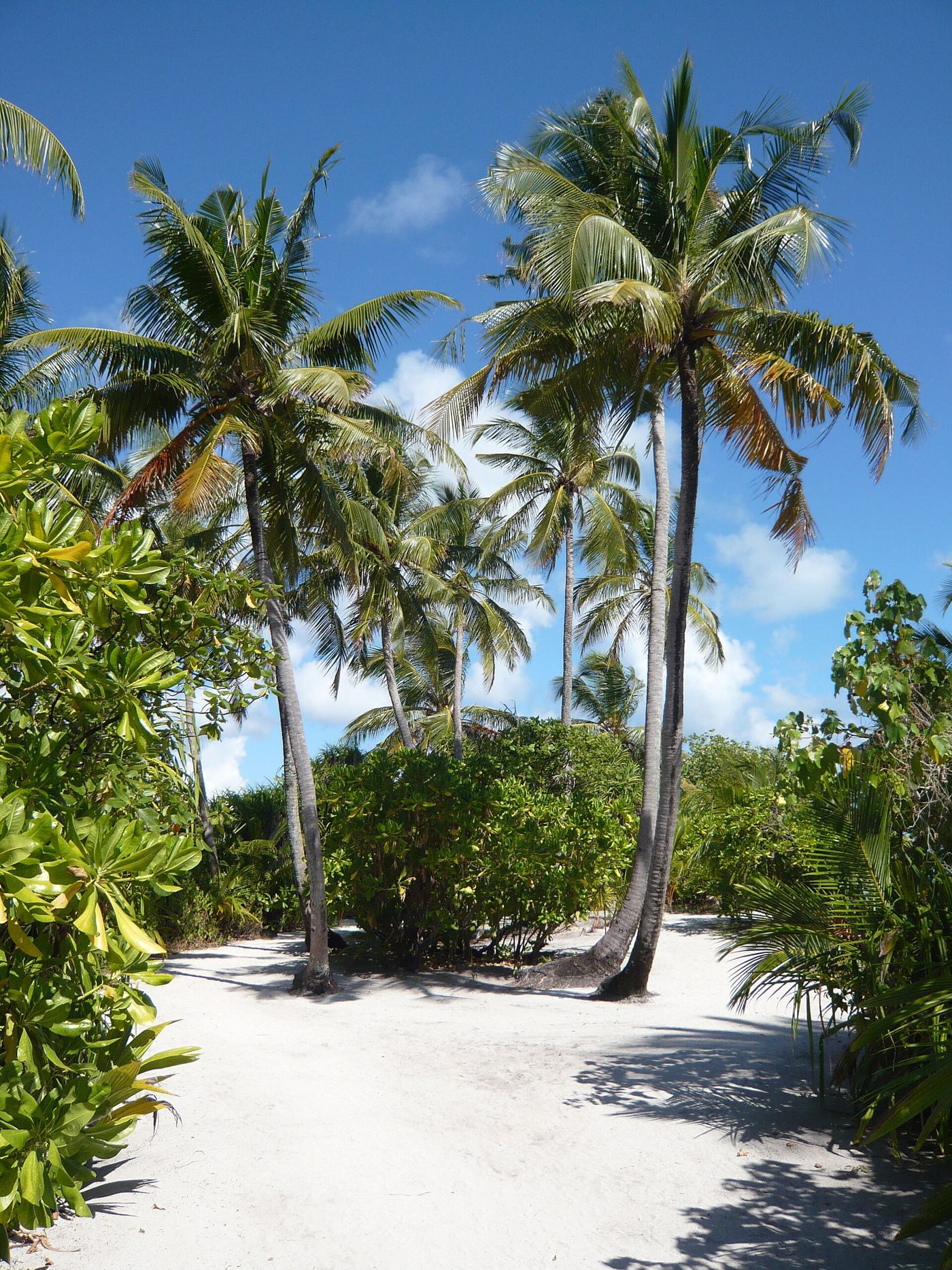
Sandy coral soil, salt air and limited space make the Maldives a challenging place to grow food, and most produce is imported. Yet a handful of tropical fruits thrive on the islands, and they hold an important place in Maldivian cooking and daily life.
The coconut: tree of a thousand uses
The coconut palm is the national tree of the Maldives and by far the most important plant in the islands. Young green coconuts (kurumba) are drunk fresh; mature nuts provide grated flesh for mas huni and curries, coconut milk for cooking, and oil. Historically the tree gave far more than food: timber for dhoni boats, leaves for thatch and woven goods, and coir rope from the husk, which was once a significant export traded across the Indian Ocean.
Bananas and papaya
Bananas are the most commonly grown fruit after coconut, with several local varieties appearing in home gardens and market stalls. They are eaten fresh and used in sweets. Papaya grows readily on inhabited islands and features at breakfast tables in guesthouses and resorts alike.
Breadfruit: the island staple
Breadfruit (banbukeyo) deserves special mention. This large, starchy fruit is treated more like a vegetable — boiled, curried or fried into chips — and has long served as an important carbohydrate on islands where rice had to be imported. Breadfruit curry and boiled breadfruit with rihaakuru remain much-loved traditional dishes.
Screwpine and other local fruits
The screwpine or pandanus (kashikeyo) produces a segmented orange fruit eaten fresh or made into preserves and sweets; its leaves also flavour cooking. Mangoes appear seasonally, mostly imported but also grown on some islands. Watermelon is cultivated on certain agricultural islands, notably for the Ramadan season, and limes are essential to Maldivian cooking, squeezed over everything from garudhiya to mas huni.
Agriculture in an atoll nation
Only a minority of islands support meaningful cultivation, with Thoddoo in Alif Alif Atoll well known for watermelon and papaya, and some southern islands for taro and breadfruit. Everything else — from apples to oranges seen in Malé markets — arrives by ship. This scarcity explains why fruit gifts and home-grown produce carry genuine social value in island communities.
FAQ
What fruit is the Maldives known for?
The coconut, which is the national tree and appears in nearly every traditional dish, drink and craft.
Do mangoes grow in the Maldives?
Some are grown locally, but most mangoes sold in the Maldives are imported from neighbouring countries such as India and Sri Lanka.
What is kurumba?
Kurumba is the Dhivehi word for a young drinking coconut, served chilled with a straw across the islands. It also lent its name to the country's first resort, opened in 1972.