Diving Seasons and Dive Site Types: Channels, Thilas and Kandus
Diving in the Maldives comes with its own vocabulary, borrowed from Dhivehi, and its own calendar, set by the monsoons. Understanding both is the difference between booking a trip and planning one. The country's dive sites are not random spots on a map; they are expressions of atoll anatomy, and the seasons decide how life and water move through them.
The anatomy of an atoll
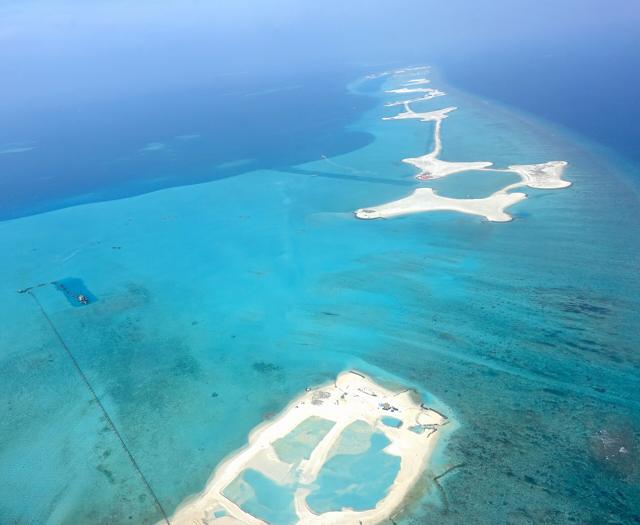
Each atoll is a ring of reef enclosing a lagoon, punctured by openings where ocean water floods in and out with the tides. The main site types take their names from these structures:
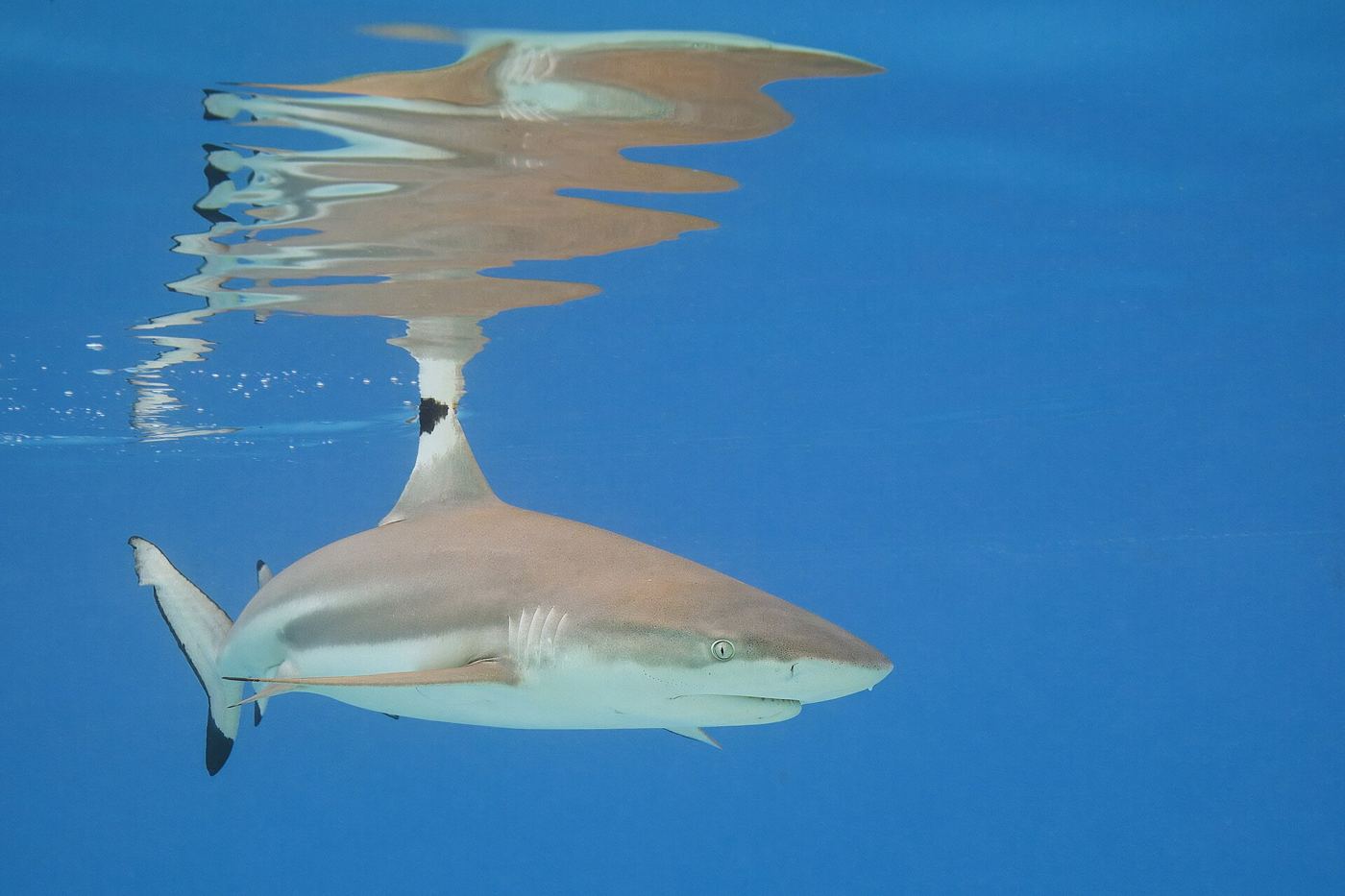
- Kandu (channel): a pass through the atoll rim. When current flows in, it carries clear ocean water and plankton, and predators line up to meet it. Grey reef sharks holding in the flow at a channel mouth is the signature Maldivian dive. Channel dives are drift dives and demand current experience.
- Thila: a submerged pinnacle rising from the atoll floor, its top often ten to twenty metres below the surface. Thilas act as oases, packed with soft coral, glassfish, moray eels and patrolling trevally, and are frequently the most colourful sites in an atoll.
- Giri: a smaller pinnacle whose top nearly reaches the surface, generally gentler and well suited to easier dives and snorkelling.
- Faru: reef structures on or near the atoll rim, including long outer-reef walls and corners where channel meets ocean.
- Wrecks: a modest but well-loved collection of ships, some sunk deliberately as artificial reefs, now colonised by coral and fish.
The two monsoons
The Maldivian year divides into the dry northeast monsoon (roughly December to April) and the wetter southwest monsoon (roughly May to November). The monsoon does not just change the weather; it reverses the prevailing flow of water through the atolls.
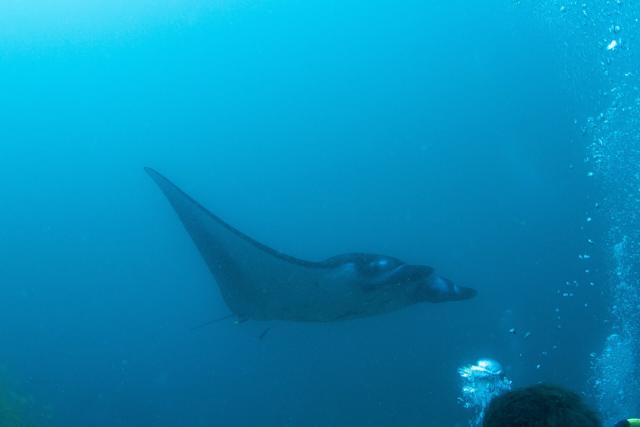
In practical terms: during the northeast season, clearer ocean water tends to enter on the eastern sides of atolls, giving the best visibility there, while plankton concentrates on western edges, drawing filter feeders. During the southwest season the pattern flips. This is why manta ray hotspots shift sides seasonally, and why the famous aggregations at Hanifaru Bay in Baa Atoll peak during the southwest monsoon months.
Planning around it
For big-animal channel action and reliable sunshine, the dry season is the classic choice, and it is also peak liveaboard season. For mantas in numbers, the mid-year months in the right atolls deliver. Visibility, commonly 15 to 30 metres, varies with plankton rather than pollution, so a green day is often a rich day: the soup that dims the water is exactly what the mantas came for.
FAQ
What does kandu mean in Maldivian diving?
Kandu is the Dhivehi word for a channel through the atoll rim. Kandu dives are current-swept drift dives famous for sharks and pelagic action.
What is a thila?
A thila is a submerged reef pinnacle rising from the atoll floor, typically topping out well below the surface, and often the most life-dense site type in an atoll.
Which monsoon is better for diving?
Neither is better overall. The northeast monsoon brings calmer seas and top visibility; the southwest monsoon brings plankton and peak manta activity. The right choice depends on what you want to see.